Coving vs skirting boards – what’s the difference? When planning a home renovation or interior upgrade, details matter—and few details have as much visual impact as mouldings. Two of the most commonly discussed (and often confused) elements are coving and skirting boards. While both enhance a room’s finish, they serve entirely different purposes.
Homeowners and trade professionals alike frequently mix up these features because they frame a space in similar ways—just at opposite ends of the wall. However, understanding the difference between coving and skirting is essential if you want a cohesive, high-end interior.
With the growing demand for architectural detailing in Irish homes—from Dublin renovations to Galway extensions—choosing the right moulding can transform a room from plain to polished.
If you’re still exploring ceiling mouldings, it’s worth understanding the difference between coving and cornice to fully grasp your options.
What Is Coving?
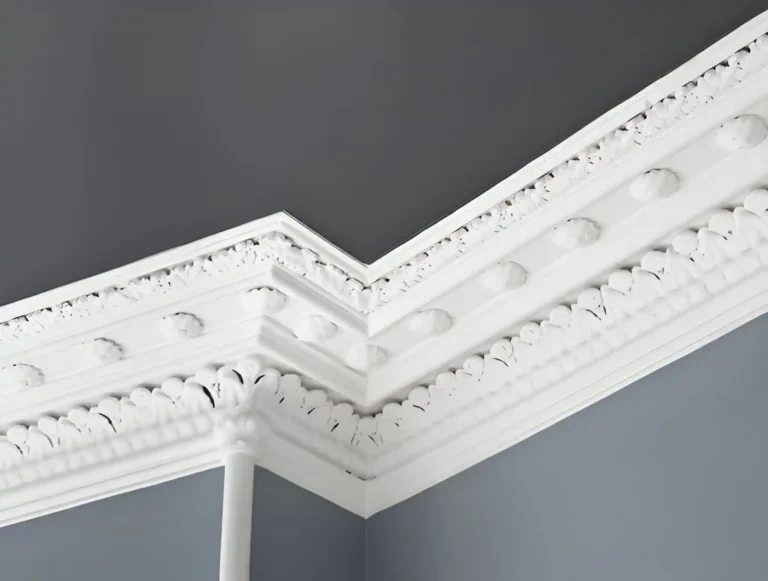
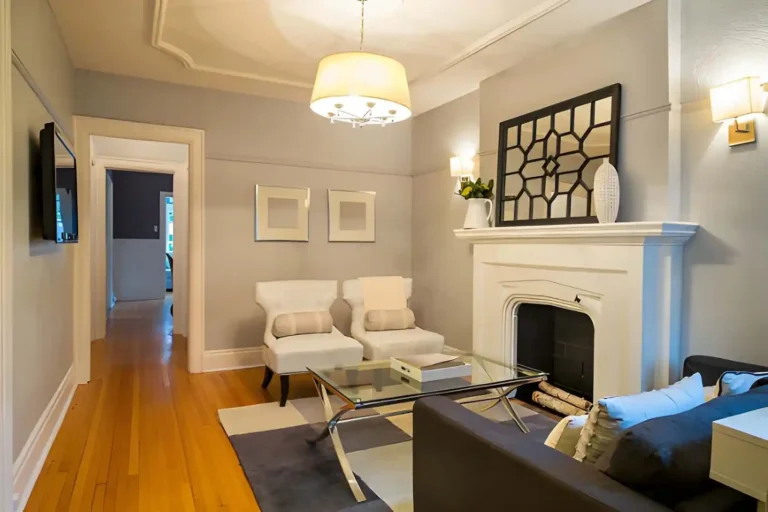
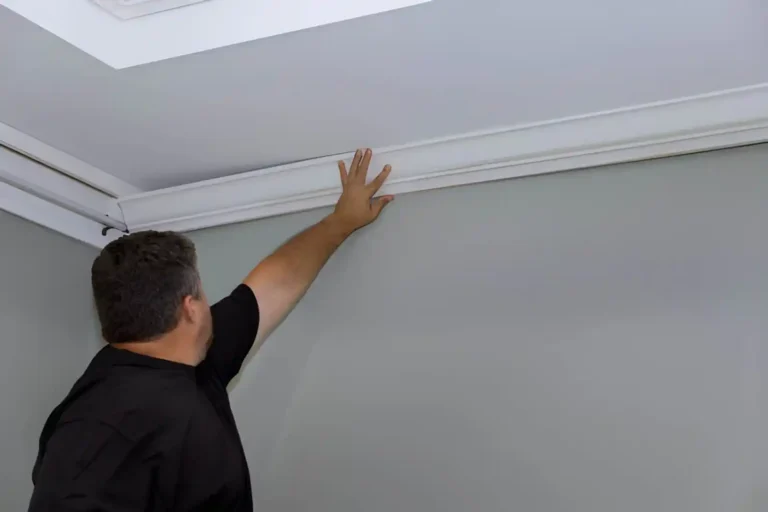
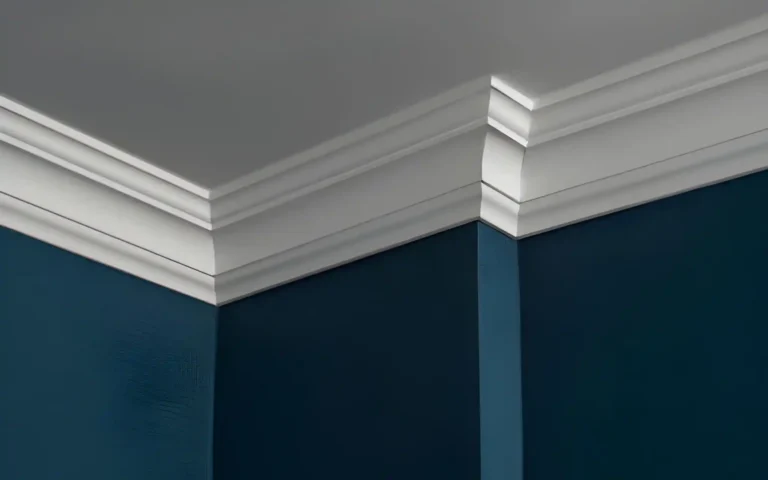
Coving is a decorative moulding installed where the wall meets the ceiling. Its primary role is aesthetic: it softens the sharp 90-degree angle and creates a smooth transition between surfaces.
Why Use Coving?
Coving is widely used to:
- Add elegance and architectural character
- Create visual flow in a room
- Make ceilings appear higher and more refined
Materials
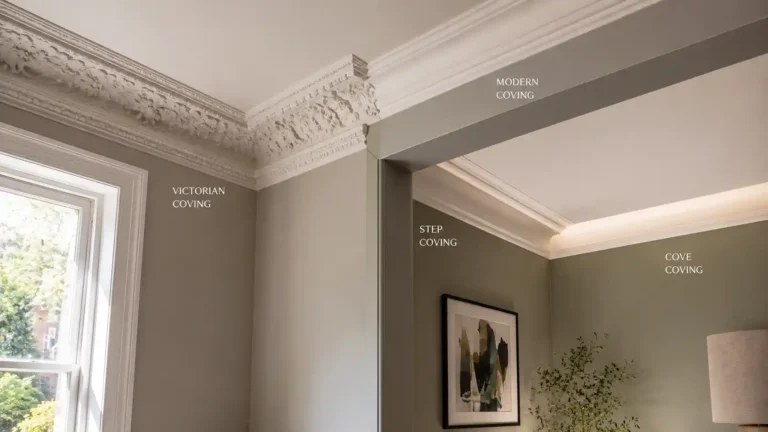
Modern coving is available in a range of materials:
- Polyurethane (lightweight, durable, moisture-resistant)
- Polystyrene (budget-friendly and easy to install)
- Traditional plaster (premium but heavier and more fragile)
Today’s homeowners and professionals increasingly prefer advanced materials like polyurethane due to their durability and ease of installation. Brands such as Gaudi Coving offer moisture-resistant, paint-ready solutions that are ideal for Irish conditions.
Where Is Coving Used?
- Period homes (Victorian, Georgian, Edwardian)
- Modern interiors with minimalist profiles
- Contemporary spaces using LED-integrated coving
If you’re comparing decorative wall features, you might also want to explore coving vs picture rail to understand how they complement or replace each other.
What Are Skirting Boards?
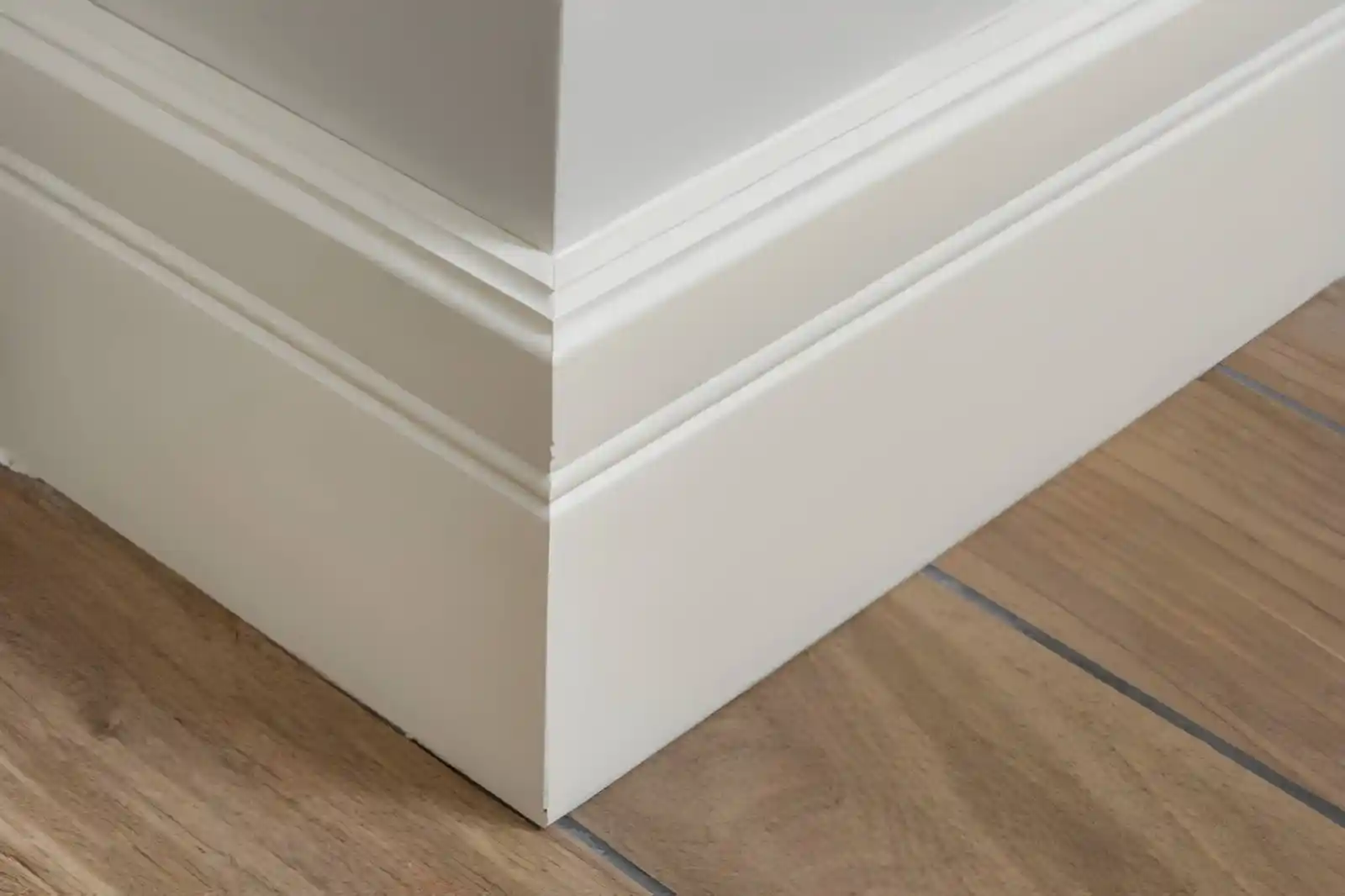
Skirting boards (also known as baseboards) are installed at the bottom of walls where they meet the floor. Unlike coving, their role is primarily functional—but they also contribute significantly to the room’s design.
Why Use Skirting Boards?
Skirting boards are essential because they:
- Protect walls from scuffs, kicks, and furniture damage
- Conceal gaps between flooring and walls
- Provide a clean, finished edge
Materials
Common skirting board materials include:
- MDF (cost-effective and smooth for painting)
- Solid wood (premium and durable)
- PVC or polyurethane (moisture-resistant and low maintenance)
Skirting boards are a standard feature in both modern and traditional builds—no room feels complete without them.
To better understand how they compare with other trim elements, check out coving vs architrave differences explained.
Key Differences Between Coving and Skirting Boards
Position in the Room
The most obvious difference lies in placement:
- Coving sits at the ceiling junction
- Skirting boards sit at the floor junction
Together, they frame the vertical space of a room.
Functional Role
- Coving is primarily decorative, enhancing visual appeal
- Skirting boards are functional, protecting walls and covering construction gaps
Design Impact
Coving draws the eye upward and can make ceilings feel taller and more elegant. Skirting boards, on the other hand, ground the room and create a solid visual base.
Installation Considerations
Coving:
- Lightweight options are DIY-friendly
- Requires accurate corner cuts and alignment
Skirting boards:
- Typically heavier and more labour-intensive
- Require secure fixing and precise leveling
Should Coving Match Skirting Boards?
This is one of the most common questions among renovators: should coving match skirting?
When Matching Works Best
Matching coving and skirting boards is ideal for:
- Period homes with classic detailing
- High-end interiors aiming for cohesion
- Designs using consistent profiles and proportions
When Mixing Styles Works
You don’t always need a perfect match. Mixing styles can work well in:
- Modern or minimalist interiors
- Contemporary homes with clean lines
- Spaces that combine traditional and modern elements
Designer Tip
Instead of matching profiles exactly, focus on balance. The key is to maintain a consistent “design language.” For example, pairing a simple coving profile with a slightly more detailed skirting can still feel cohesive if proportions align.
When to Use Coving vs Skirting Boards
Use Coving When:
- A room feels plain or unfinished
- You want to elevate ceiling aesthetics
- You’re installing LED lighting features
- You’re renovating living rooms, bedrooms, or hallways
Use Skirting Boards When:
- You need to protect walls in high-traffic areas
- You’re finishing flooring installations
- You’re completing any renovation project (they’re essential)
Use Both When:
- You want a full, designer-level finish
- You’re renovating an entire home
- You’re upgrading a period property
Combining both elements creates a polished, intentional look that significantly enhances perceived property value.
Best Materials for Irish Homes (Moisture & Durability Focus)
Ireland’s climate makes material choice especially important. Moisture resistance and durability should be top priorities.
Recommended Materials
- Polyurethane: Ideal for kitchens and bathrooms due to moisture resistance
- MDF: Affordable and versatile but less moisture-resistant
- Solid wood: Durable but can expand or warp in humid conditions
Benefits of Lightweight Materials
- Easier and faster installation
- Reduced risk of cracking or warping
- Lower labour costs for trade professionals
These benefits directly address common pain points:
- Moisture damage in damp environments
- Installation complexity
- Long-term maintenance concerns
Cost & Installation Comparison
Coving
- Generally lower material cost (depending on style)
- Faster installation, especially with lightweight options
- Suitable for DIY in many cases
Skirting Boards
- Higher material and labour costs
- Essential component of any finished room
- Requires more precise installation
While skirting boards are non-negotiable, coving is an upgrade—but one that can significantly boost a home’s perceived value and visual appeal.
Common Mistakes to Avoid
Avoid these pitfalls to achieve a professional finish:
- Choosing mismatched proportions between coving and skirting
- Ignoring ceiling height when selecting coving size
- Using non-moisture-resistant materials in wet areas
- Poor installation leading to visible gaps or uneven lines
Attention to detail here can make the difference between a basic finish and a premium result.
How to Choose the Right Option for Your Home or Project
For Homeowners
Focus on:
- Style and visual impact
- Ease of installation
- Long-term durability
A smart approach is to start with one room and expand as confidence grows.
For Trade Professionals
Prioritise:
- Consistent product quality
- Clear technical specifications
- Ease and speed of installation
Reliable materials and suppliers help maintain timelines and protect your reputation.
Coving vs Skirting Boards – What’s the Difference? – FAQs
Conclusion
Coving and skirting boards serve different but complementary roles. Skirting boards are essential for protection and structure, while coving elevates the visual appeal of a space.
For the best results, combining both elements creates a balanced, designer-quality finish that enhances both aesthetics and property value. By choosing the right materials and ensuring proper installation, you can achieve a look that is both durable and visually striking.
If skirting boards are the focus, our Skirting Board Sizes Guide Ireland covers standard heights and styles in detail.
For representative examples, see the GAUDI 1.50.183 cornice and the GAUDI 1.53.108 skirting board.