Is coving still in style? If you’ve been researching interior design trends recently, you’ve likely asked the question: is coving still in style—or has it become outdated?
The answer isn’t as simple as yes or no.
On one side, modern minimalism has pushed clean lines and sharp edges, often removing decorative features entirely. On the other, there’s a strong resurgence of architectural detailing, where elements like coving, cornices, and wall mouldings are being reintroduced to add depth and character.
So where does coving stand in 2026?
This guide breaks through the confusion. You’ll learn how coving has evolved, which styles are trending, and how to use it in a way that feels modern—not dated.
One thing is certain: coving today is no longer one-size-fits-all. Thanks to advances in materials like polyurethane and polystyrene, along with changing design preferences, coving has become more versatile, durable, and design-driven than ever before.
Is Coving Still Popular in 2026?
The Short Answer
Yes—coving is still very much in style in 2026, but the way it’s used has changed dramatically.
It’s no longer about heavy, ornate plaster mouldings in every room. Instead, it’s about intentional design choices, modern profiles, and practical materials.
Why Coving Is Trending Again
Several key trends are driving the renewed popularity of coving:
1. The Rise of Architectural Detailing
Flat, plain walls are being replaced by layered interiors. Homeowners and designers are increasingly using coving to create visual interest and a polished finish.
2. Social Media Influence
Platforms like Instagram and Pinterest have transformed expectations. Clean but “finished” interiors—with subtle detailing—are now the standard.
3. The Shift Away from “Ultra-Minimal”
Pure minimalism is softening. People want warmth, texture, and character—without clutter. Coving delivers that balance.
4. Growth of LED Coving
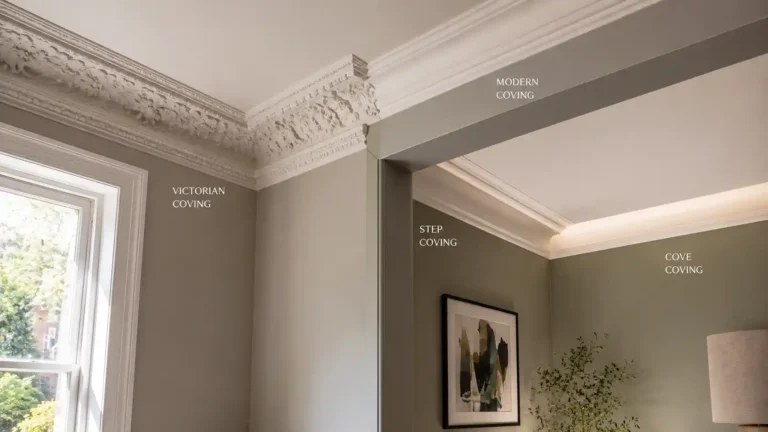
Modern homes are embracing LED-integrated coving, combining lighting and architecture for a sleek, ambient effect.
Where Coving Is Most Popular Today
Coving is especially popular in:
- Period homes undergoing restoration
- High-end new builds seeking a premium finish
- Renovation projects across Ireland, particularly in Dublin, Cork, Galway, and commuter counties
For homeowners upgrading interiors, coving is often the detail that transforms a room from “nice” to designer-level finished.
Is Coving Outdated or Just Misused?
This is where most confusion comes from.
Coving isn’t outdated—but it can look outdated when used incorrectly.
When Coving Looks Dated
Coving tends to feel old-fashioned when:
- Profiles are too ornate for the space
- The scale doesn’t match ceiling height
- Installation is uneven or poorly finished
- Low-quality materials crack, shrink, or warp
In minimalist homes especially, heavy decorative mouldings can clash with the overall aesthetic.
When Coving Looks Timeless
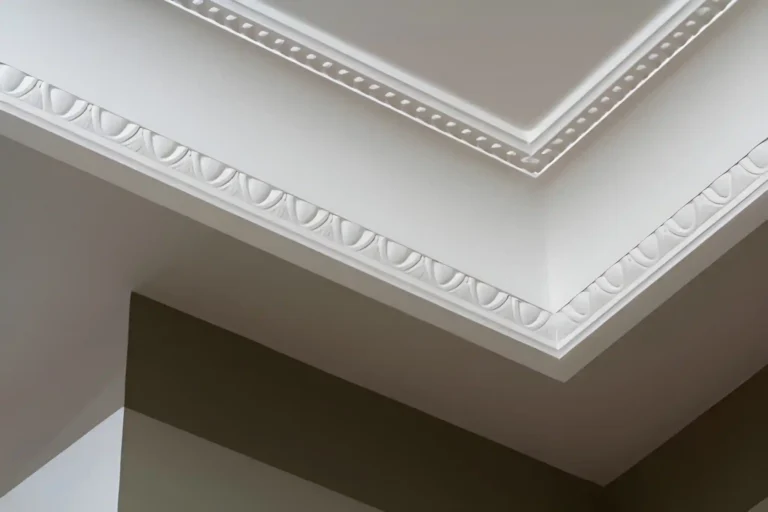
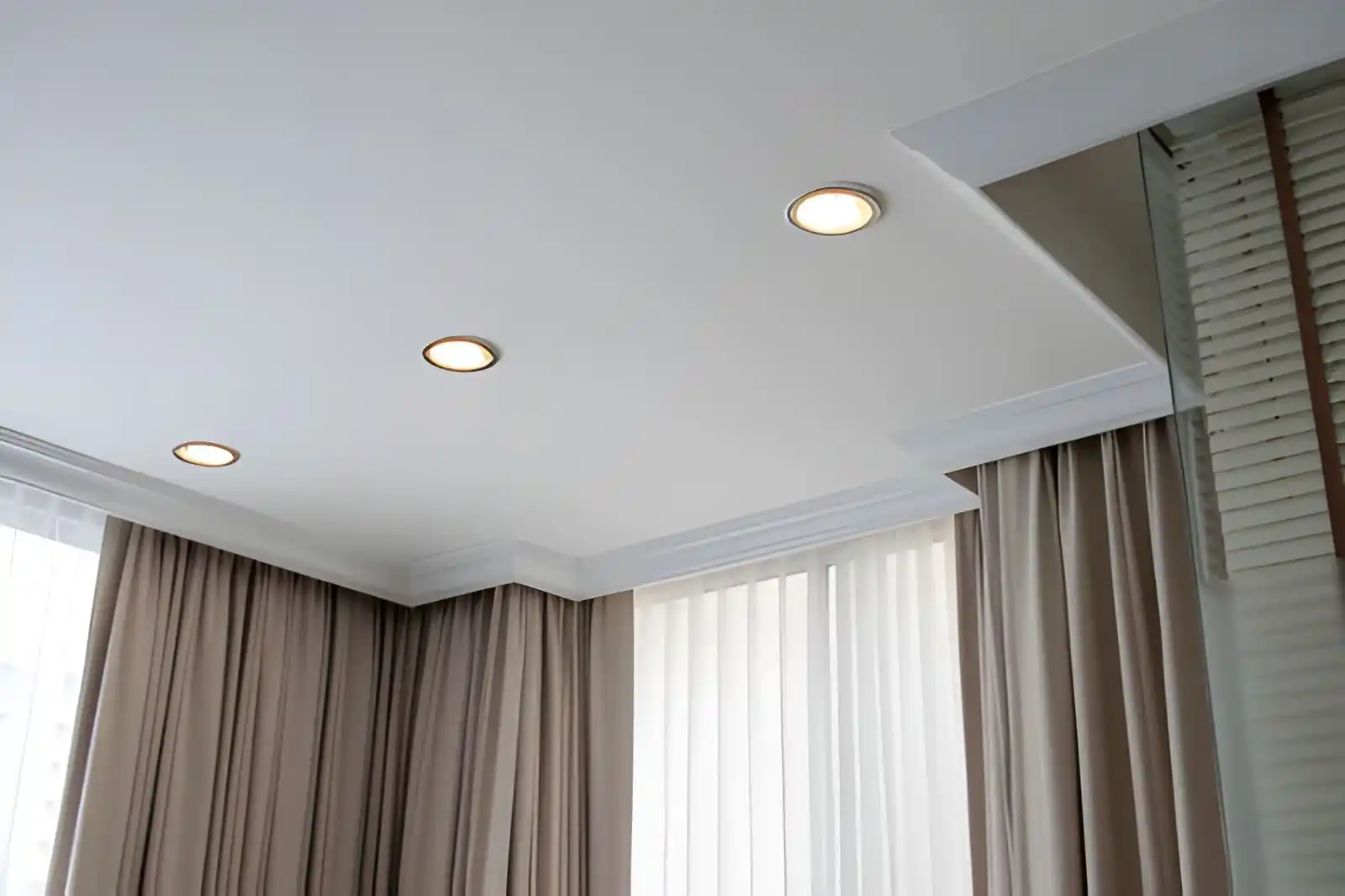
Done right, coving feels elegant, subtle, and modern.
Key factors include:
- Correct proportions relative to ceiling height
- Simple, clean profiles in contemporary spaces
- High-quality materials that maintain sharp lines over time
If you’re unsure whether coving is right for your space, read:
👉 Coving or no coving? How to decide for your home
Coving Styles That Are Trending in 2026
The biggest shift in coving design is variety. There’s no single “correct” style anymore.
Minimalist Coving
Minimalist coving is leading the trend in modern homes.
- Clean lines
- Subtle transitions between wall and ceiling
- Works seamlessly in contemporary interiors
This style is ideal for homeowners who want refinement without decoration.
LED Coving
LED coving is one of the fastest-growing trends in 2026.
- Conceals LED strips for indirect lighting
- Creates a soft, ambient glow
- Enhances ceiling height perception
It’s especially popular in new builds, extensions, and open-plan spaces.
Modern Classic (Transitional Style)
This approach blends traditional and contemporary design.
- Slightly detailed profiles
- Balanced proportions
- Works in both old and new homes
It’s particularly suited to the Irish renovation market, where homeowners want to respect architectural character while updating interiors.
Statement Cornices
Bold, decorative cornices are making a comeback—but selectively.
- Best suited for period homes
- Used as a feature, not everywhere
- Often paired with ceiling roses and panelling
If you’re considering this look, explore:
👉 Are cornices still in style?
Materials Matter: Why Modern Coving Is Different
One of the biggest reasons coving has stayed relevant is material innovation.
Traditional vs Modern Materials
Historically, coving was made from plaster—heavy, fragile, and labour-intensive.
Today, modern alternatives include:
- Polyurethane
- High-density polystyrene
These materials have transformed both installation and performance.
Benefits of Modern Coving
Modern coving offers:
- Lightweight construction for easier handling
- Moisture resistance, ideal for kitchens and bathrooms
- Crack resistance, reducing long-term maintenance
- Paint-ready finishes for faster decorating
Why Homeowners and Trades Are Switching
For homeowners:
- Better durability
- Cleaner finishes
- Less risk of damage over time
For trade professionals:
- Faster installation
- Consistent product quality
- Reduced labour costs
This aligns with what both groups want: reliable, long-lasting results without complications.
How to Make Coving Look Modern in Any Home
Even older coving can be updated with the right approach.
Keep Profiles Proportional
Large coving in a low-ceiling room will feel overwhelming.
Small coving in a large space will look insignificant.
Balance is everything.
Match Coving to Interior Style
- Modern homes → simple profiles
- Classic homes → more detail
- Transitional homes → blended styles
Use Lighting Creatively
LED lighting can completely transform the look of coving, adding depth and atmosphere.
Pair with Other Mouldings
Coving works best as part of a cohesive design system, alongside:
For a full guide, see:
👉 How to make coving look modern (without ripping it out)
Does Coving Add Value to a Property?
Perceived Value vs Actual Cost
Coving is relatively affordable—but it can significantly enhance how a home is perceived.
It creates:
- A finished, polished look
- A sense of quality and attention to detail
- Stronger visual appeal for buyers
Where It Adds the Most Value
Coving has the greatest impact in:
- Living rooms
- Hallways
- Open-plan spaces
These are the areas where first impressions matter most.
For deeper insight, read:
👉 Does coving add value to a property?
Coving in Irish Homes: What’s Driving Demand
Ireland has seen a clear rise in demand for coving, driven by several factors:
1. Increased Renovation Activity
More homeowners are upgrading rather than moving, investing in higher-quality interiors.
2. European Design Influence
There’s growing inspiration from European architecture, including expressive styles like Gaudí-inspired coving, which emphasise curves, flow, and artistic detail.
3. Demand for Premium Finishes
Homeowners want spaces that feel “complete”—not basic.
4. Climate Considerations
Moisture resistance is essential in Irish homes, making modern materials far more appealing than traditional plaster.
How to Choose the Right Coving for Your Home
Choosing the right coving depends on several practical factors.
Based on Ceiling Height
- Low ceilings → smaller, subtle profiles
- High ceilings → larger, more detailed coving
Based on Interior Style
- Minimalist → plain coving
- Classic → decorative profiles
- Transitional → balanced designs
Based on Room Type
- Bathrooms/kitchens → moisture-resistant materials
- Living areas → style-focused choices
Based on Installation Needs
- DIY → lightweight, easy-fit options
- Trade → precision profiles with consistent specs
Expert Tips (For Homeowners & Trade Professionals)
For Homeowners
- Focus on long-term durability, not just price
- Choose styles that match your entire home—not just one room
- Look at real-life installations before deciding
For Trade Professionals
- Prioritise consistent product quality
- Choose materials that reduce installation time
- Work with suppliers offering clear technical specs
Why Specifications Matter
Clear product specs ensure:
- Accurate installation
- Consistent finishes
- Fewer callbacks or repairs
Is Coving Still in Style? – FAQs
Conclusion: Should You Use Coving in 2026?
Coving is not outdated—it’s evolving.
The key to getting it right lies in three factors:
- Style
- Material
- Installation quality
When these elements come together, coving can transform a space—adding depth, elegance, and a sense of completion that plain walls simply can’t achieve.
If you’re planning a renovation or new build, coving is no longer an afterthought. It’s a design decision that defines the entire room.