Where to use coving in your home? Coving has made a strong comeback in modern Irish interiors—and for good reason. Once seen primarily in period homes, it’s now a go-to design feature for homeowners and trade professionals looking to add architectural detail, elegance, and a polished finish to any space.
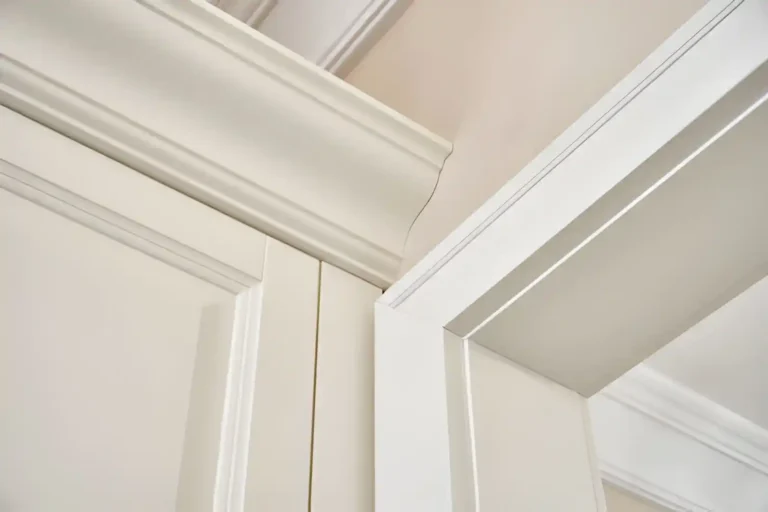
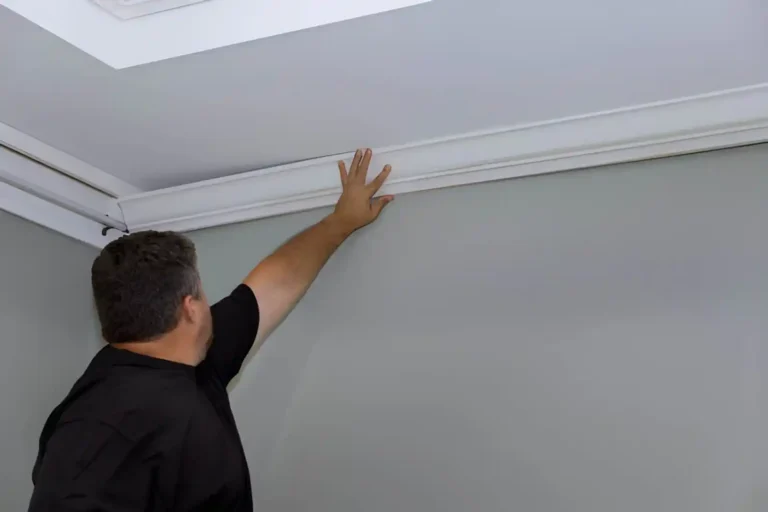
At its core, coving is the decorative moulding that sits where the wall meets the ceiling. But its impact goes far beyond aesthetics. It softens harsh lines, hides imperfections, and adds a sense of cohesion that makes a room feel complete.
Today’s homeowners—especially those renovating mid-to-high-end properties—are moving away from plain ceilings and embracing subtle detailing inspired by European design trends. At the same time, professionals like interior designers and builders are prioritising materials that are durable, moisture-resistant, and easy to install.
Still, one question comes up again and again: Where should you actually use coving in your home? Should it go in every room? Does it work in kitchens or bathrooms? And what about bedrooms or modern spaces?
This guide answers all of that. You’ll get a room-by-room breakdown, practical advice, and expert insights—plus recommendations on choosing the right materials, including premium solutions like Gaudi Coving, trusted by both homeowners and trade professionals across Ireland.
Why Coving Matters in Modern Homes
From Period Homes to Contemporary Builds
Traditionally, coving was associated with Georgian and Victorian homes, often featuring ornate plasterwork and intricate cornices. While those styles are still popular in heritage properties, modern coving has evolved.
Today, you’ll find everything from minimalist profiles with clean lines to LED-integrated coving designed for contemporary interiors. This flexibility makes coving suitable for almost any home style—from classic renovations in Dublin to sleek new builds in Cork or Galway.
Functional + Aesthetic Benefits
Coving isn’t just decorative—it’s practical too.
- It hides cracks and uneven joins between walls and ceilings
- It enhances lighting, especially with LED strip integration
- It adds perceived value to your home
- It creates a seamless, finished look that elevates interiors
What Homeowners & Trade Professionals Look For
Modern buyers are more informed than ever. Whether it’s a homeowner planning a renovation or a contractor managing multiple projects, the priorities are clear:
- Moisture-resistant materials (especially for kitchens and bathrooms)
- Easy installation to reduce labour time
- Durability—no cracking, shrinking, or warping
- Paint-ready finishes
- Reliable supply and consistent product quality
This is where high-quality options like Gaudi Coving stand out—offering trade-trusted reliability with designer-approved finishes.
Where Should You Use Coving? Room-by-Room Breakdown
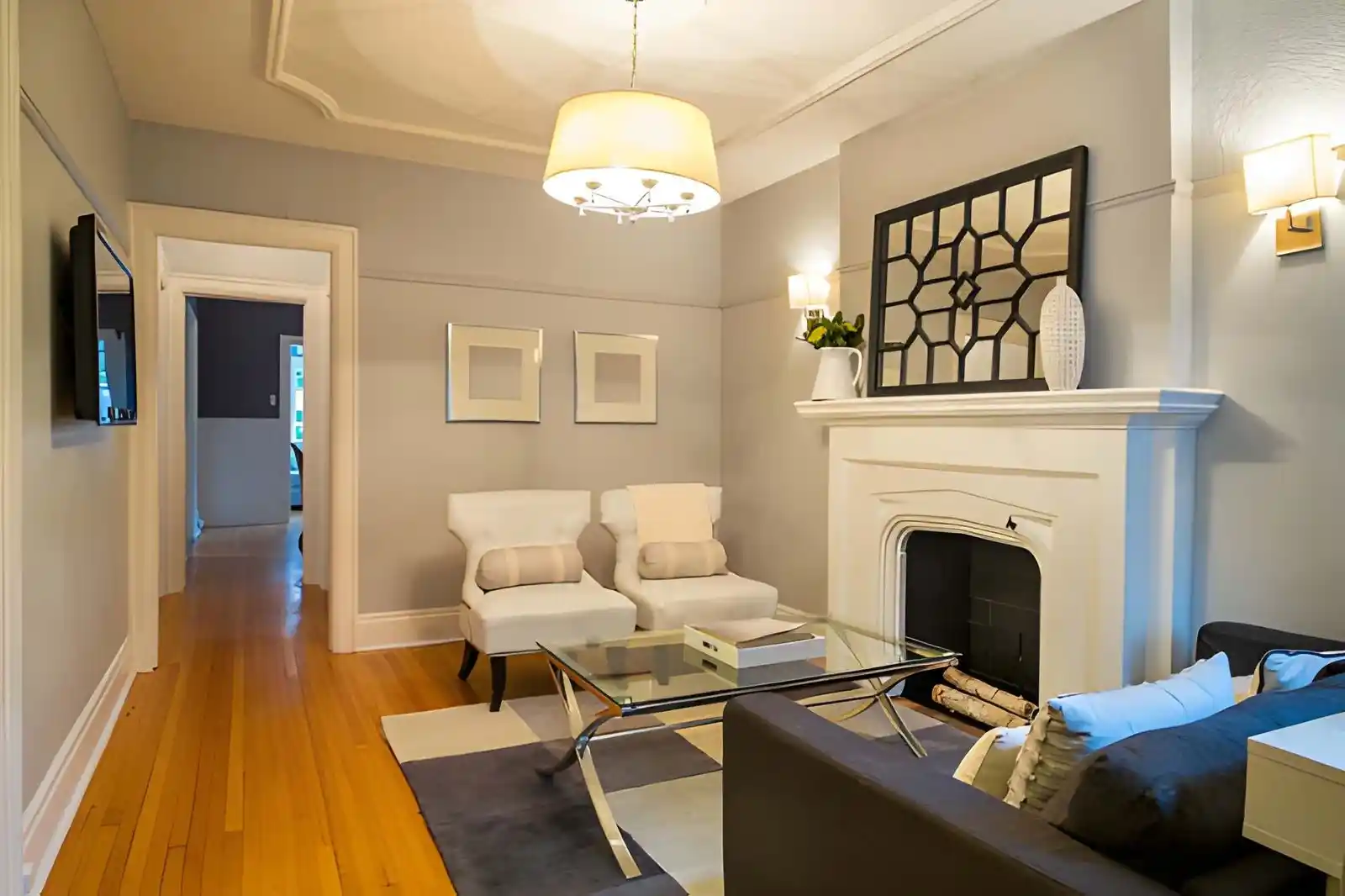
Living Rooms & Reception Areas
Why Coving Works Best Here
Living rooms are the focal point of the home. It’s where guests gather, where families relax, and where design choices are most visible. Coving adds a sense of sophistication and helps frame the entire space.
Style Recommendations
- Period homes: Large, decorative cornices
- Modern homes: Slim, clean profiles
- Luxury spaces: LED-integrated coving for ambient lighting
Pro Tips
- Match the size of the coving to your ceiling height
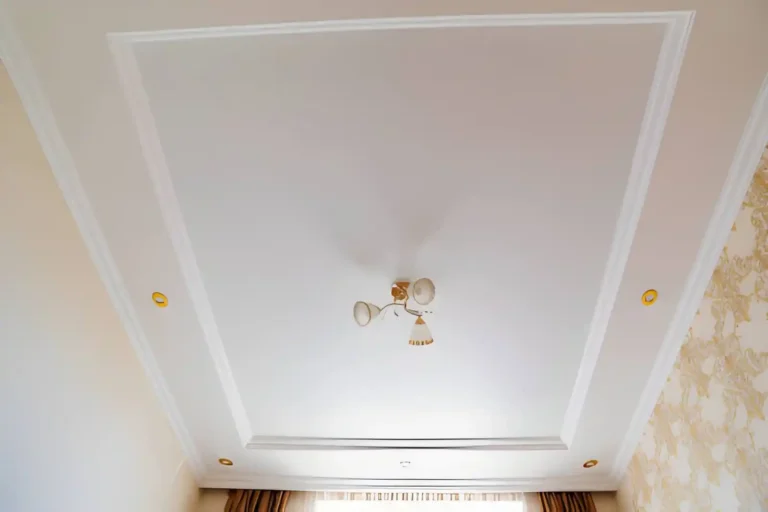
- Pair with ceiling roses for maximum visual impact
- Keep consistency with adjacent rooms for flow
Bedrooms – Should You Add Coving?
The short answer: yes, in most cases.
When Coving Enhances Bedrooms
Coving can transform a bedroom from plain to polished. It creates a soft transition between walls and ceilings, adding a subtle elegance that works especially well in:
- Master bedrooms
- Guest rooms
- Period-style interiors
When You Might Skip It
- Very small bedrooms where space feels tight
- Ultra-minimalist designs where simplicity is key
Best Styles for Bedrooms
- Simple, elegant profiles
- Soft curves rather than sharp, angular designs
👉 For a deeper dive, see: Do you put coving in bedrooms?
Kitchens – Practical or Problematic?
Can You Use Coving in Kitchens?
Yes—but material choice is crucial.
Key Considerations
Kitchens are high-demand environments. You need to account for:
- Heat from cooking
- Grease buildup
- Moisture and humidity
- Frequent cleaning
Best Materials
- Polyurethane coving: Highly recommended
- Avoid traditional plaster in areas exposed to moisture
Style Tips
- Keep designs simple and easy to clean
- Works best in open-plan kitchens where it ties spaces together
👉 Learn more here: Can you have coving in a kitchen?
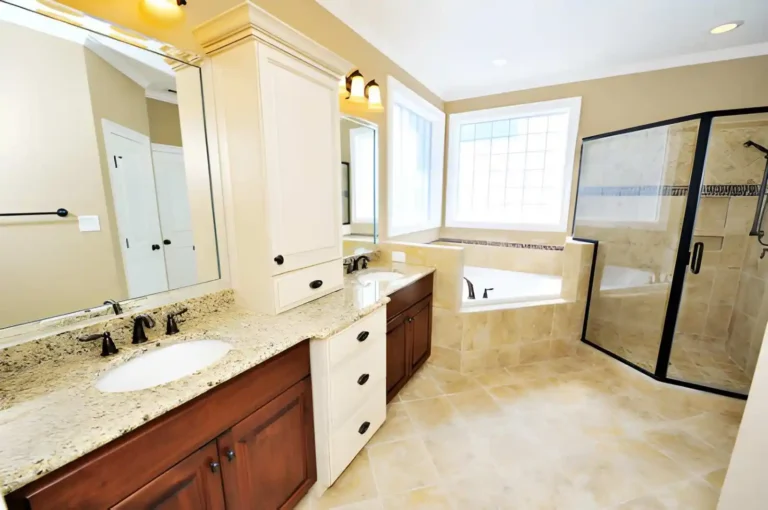
Bathrooms – Is Coving a Good Idea?
Can You Put Coving in a Bathroom?
Yes—if you choose the right materials.
Biggest Concerns
- Moisture damage
- Mould growth
- Long-term durability
Best Options
- Waterproof polyurethane coving
- Polystyrene (budget-friendly but less durable)
Installation Tips
- Use moisture-resistant adhesive
- Ensure proper sealing to prevent water ingress
👉 Full guide: Can you put coving in a bathroom? Materials & fitting tips
Hallways & Staircases
Why These Spaces Benefit Most
Hallways and staircases are often overlooked—but they’re some of the most visible areas in your home. Coving helps create continuity and flow between rooms.
Design Tips
- Use consistent profiles throughout
- Opt for medium-sized coving to balance proportions
- Combine with wall panelling for a premium look
Dining Rooms
Enhancing Formal Spaces
Dining rooms are ideal for decorative coving. It adds formality and elegance, especially in homes designed for entertaining.
Pairing with Lighting
A chandelier combined with coving creates a striking focal point, enhancing the overall atmosphere.
Media Walls & Feature Walls
Should You Add Coving to a Media Wall?
It depends on your design style.
When It Works
- Classic or transitional interiors
- Spaces with layered textures and detailing
When to Avoid
- Ultra-modern, flat-panel designs
- Minimalist interiors with clean, uninterrupted lines
👉 Explore more: Do you put coving on media walls?
Bay Windows & Curved Walls
Unique Challenges
Installing coving in these areas requires precision due to:
- Complex angles
- Curved surfaces
Solutions
- Use flexible coving
- Apply careful cutting techniques for a seamless finish
👉 Step-by-step help: How to fit coving around a bay window
Choosing the Right Coving Material for Each Room
Polyurethane (Recommended)
- Lightweight
- Moisture-resistant
- Durable
- Ideal for kitchens and bathrooms
Polystyrene
- Budget-friendly
- Easy to install
- Less durable over time
Plaster
- Traditional and premium look
- Heavier and more difficult to install
Why Professionals Prefer Gaudi Coving
- Trade-trusted consistency
- Easy installation
- Moisture resistance
- High-quality, paint-ready finish
For both homeowners and professionals, this balance of performance and design makes it a strong long-term investment.
Common Mistakes to Avoid
- Choosing coving that’s too large or too small for the room
- Using non-moisture-resistant materials in kitchens or bathrooms
- Poor installation leading to visible gaps or cracks
- Mixing incompatible styles across different rooms
Avoiding these mistakes ensures your coving enhances your home rather than detracts from it.
Style Guide: Matching Coving to Your Home Type
Period Homes
- Ornate, detailed profiles
- Larger coving for high ceilings
Modern Homes
- Clean, minimalist lines
- Subtle profiles that complement contemporary design
New Builds
- LED-ready coving
- Hybrid styles blending classic and modern elements
Installation Considerations
DIY vs Professional Installation
- DIY works well with lightweight materials like polyurethane
- Hire professionals for large or complex spaces
Tools & Materials Needed
- Adhesive
- Mitre box
- Fine-tooth saw
Trade Insights
For professionals, efficiency is key. Faster installation reduces labour costs, while reliable materials prevent costly callbacks.
Where to Use Coving in Your Home? FAQs
Conclusion
Coving is no longer just a decorative extra—it’s an essential design feature that brings structure, elegance, and value to your home. From living rooms to bathrooms, it works in nearly every space when chosen and installed correctly.
The key is understanding where it works best and selecting the right material for each environment. For homeowners, it’s an opportunity to elevate interiors without major structural changes. For trade professionals, it’s a reliable way to deliver high-end finishes efficiently.
If you’re just starting, begin with one room—like a living room or bedroom—and expand from there. And if you want a solution that combines durability, ease of installation, and premium design, Gaudi Coving is a trusted choice across Ireland.