Can you use coving in a kitchen? The short answer is yes — and in many modern homes, it’s becoming a defining design feature. However, success depends on choosing the right materials and installing them correctly.
Kitchens are one of the most demanding environments in any home. Between steam, heat, grease, and daily wear, not every coving type will perform well.
At the same time, expectations have shifted. Today’s Irish homeowners — particularly those renovating in Dublin, Cork, or Galway — want kitchens that feel cohesive, high-end, and architecturally finished.
That’s where coving comes in.
When done right, coving softens harsh ceiling lines, adds visual depth, and creates a seamless transition between kitchen and living spaces — especially in open-plan layouts. High-quality options from Gaudi Coving are specifically designed to handle moisture while delivering a premium finish.
If you’re planning a full home upgrade, it’s worth exploring the broader guide: Where to use coving in your home: room-by-room guide, which connects kitchens with bathrooms, bedrooms, and more.
Can You Have Coving in a Kitchen? (Quick Answer)
Yes — you can absolutely have coving in a kitchen, and it’s increasingly popular across:
- Modern open-plan homes
- Period property renovations
- High-end new builds and extensions
The key factor is simple: material choice determines durability.
Unlike living rooms or bedrooms, kitchens expose materials to humidity, temperature changes, and airborne grease. That’s why selecting moisture-resistant, stable coving is essential.
If you’re comparing spaces, you may also want to read:
Each room has different performance requirements — and kitchens sit somewhere in the middle.
Why Homeowners Are Adding Coving to Kitchens
Elevates the Overall Finish
Many kitchens, especially in new builds, can feel slightly plain or unfinished. Coving adds that missing architectural detail, transforming flat ceiling lines into something more refined.
For homeowners investing €70k–€150k into renovations, these finishing touches matter. They’re often what separates a “nice” kitchen from one that feels professionally designed.
Creates Cohesion in Open-Plan Spaces
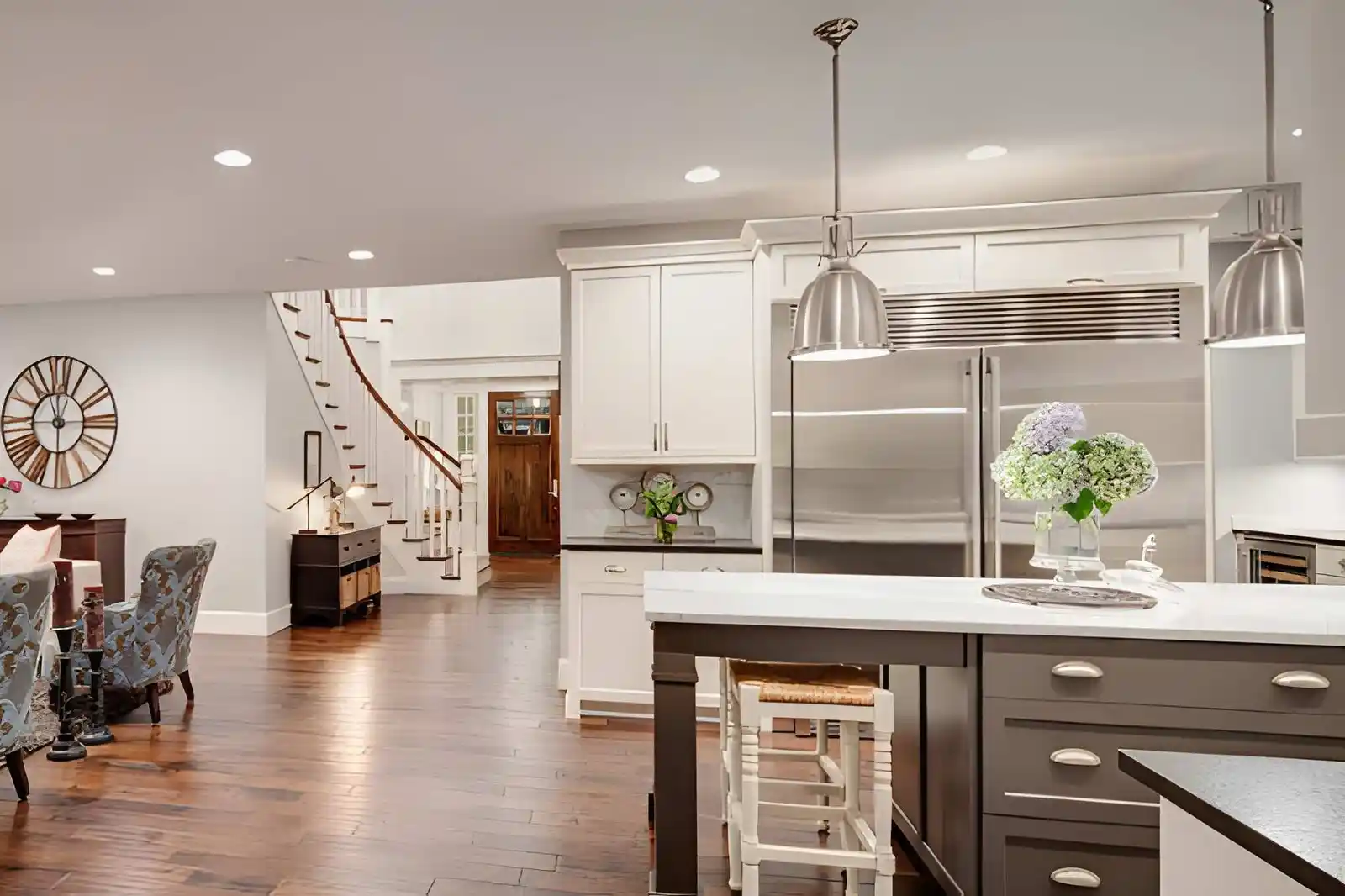
Open-plan living is now the norm across Ireland. Kitchens flow directly into dining and living areas — and inconsistent ceiling details can disrupt that flow.
Coving solves this by creating a continuous visual line across spaces, helping everything feel connected and intentional.
Adds Perceived Property Value
While coving isn’t a structural upgrade, it contributes to perceived value — something both homeowners and developers care about.
For property developers and interior designers, small details like coving can significantly improve the final presentation of a space without major cost increases.
Key Challenges of Using Coving in Kitchens
Moisture & Humidity
Cooking produces steam — and over time, that moisture can damage unsuitable materials. Traditional plaster coving, for example, can absorb moisture, leading to cracking or mould.
Heat Exposure
Areas near hobs and cookers experience temperature fluctuations. Poor-quality coving or adhesives may weaken under these conditions.
Cleaning & Grease Build-Up
Kitchens naturally accumulate grease and residue. Coving must be:
- Easy to clean
- Paint-stable
- Resistant to staining
This is where modern materials outperform traditional options.
Best Types of Coving for Kitchens
Polyurethane Coving (Recommended)
Polyurethane is widely considered the best option for kitchens.
Benefits include:
- Moisture resistance
- Lightweight structure
- High durability
- Smooth, paint-ready finish
Products from Gaudi Coving are specifically designed for these environments, making them ideal for both homeowners and trade professionals.
Polystyrene Coving
Polystyrene is a popular entry-level option, especially for DIY projects.
Yes — you can use polystyrene coving in a kitchen, but there are trade-offs:
- Less impact-resistant
- Can dent easily
- Lower-end appearance
It works well for quick upgrades but may not suit premium renovations.
Plaster Coving
Plaster offers a traditional, high-end aesthetic, often used in period homes.
However, in kitchens:
- It’s heavier and harder to install
- More prone to cracking in humid conditions
- Typically more expensive
For most modern kitchens, it’s not the most practical choice.
Can You Use Polystyrene Coving in a Kitchen?
This is one of the most common questions — and the answer is yes, with limitations.
Pros:
- Affordable
- Easy to cut and install
- Ideal for DIY
Cons:
- Less durable
- Not as resistant to heat and moisture
- Can look less refined
If you’re upgrading a rental or working on a tight budget, polystyrene can work. But for long-term value or high-end finishes, polyurethane is a better investment.
Where to Use Coving in a Kitchen (Placement Guide)
Ceiling Perimeter
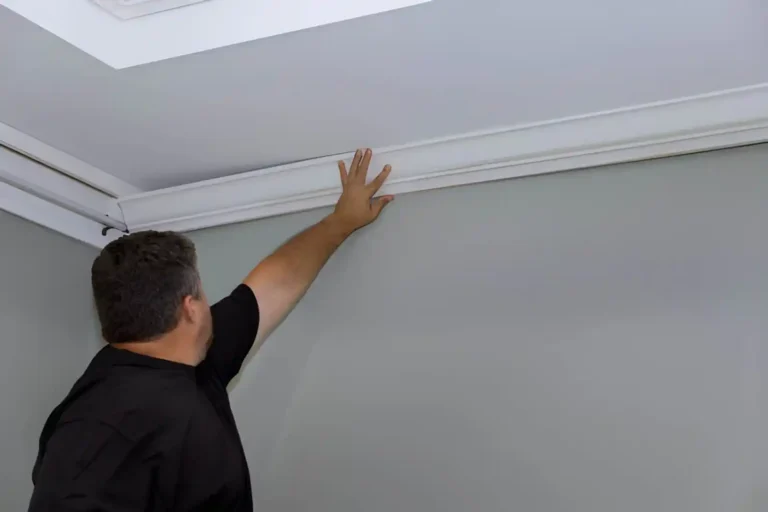
This is the most common application. It softens the transition between wall and ceiling and works in virtually all kitchen styles.
Above Cabinets
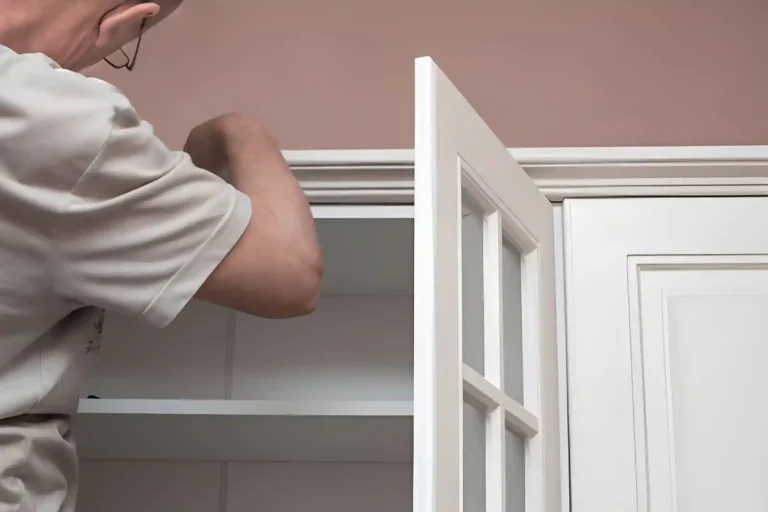
Installing coving above kitchen cabinets creates a built-in, seamless look while eliminating awkward gaps that collect dust.
Around Kitchen Islands
Feature ceilings with coving around islands are growing in popularity. They help define zones within open-plan layouts and add architectural interest.
Kitchen Styles That Work Best with Coving
Modern Kitchens
Minimalist kitchens benefit from simple, clean coving profiles. Many homeowners are now integrating LED lighting into coving for a contemporary finish.
Traditional / Shaker Kitchens
Decorative mouldings complement shaker cabinetry beautifully. Pairing coving with ceiling roses or wall panels creates a cohesive classic look.
Period Renovations
In older Irish homes, matching existing architectural details is essential. Coving helps preserve character while upgrading functionality.
Installation Tips for Kitchen Coving
Choose the Right Adhesive
Always use a moisture-resistant adhesive. This is particularly important in kitchens where temperature and humidity fluctuate.
Trade professionals prioritise reliability here — poor adhesive choice can lead to long-term issues.
Prepare Surfaces Properly
Surfaces must be:
- Clean
- Dry
- Free from grease
Skipping this step is one of the most common causes of installation failure.
Allow for Expansion & Movement
Materials expand and contract slightly with temperature changes. Proper installation techniques prevent cracking over time.
Consider Professional Installation
While DIY is possible, professional installation is recommended for:
- Large kitchens
- Complex layouts
- Premium finishes
If your kitchen includes curved walls or unique shapes, refer to:
How to fit coving on a curved wall or bay window
Maintenance & Longevity
Cleaning
Most modern coving can be cleaned with a damp cloth. Avoid abrasive chemicals that could damage paint finishes.
Repainting
Paint-ready coving allows easy refreshes over time, helping maintain a clean, updated look.
Durability Expectations
- Polyurethane: long-lasting and stable
- Polystyrene: shorter lifespan, more prone to damage
Common Mistakes to Avoid
- Using non-moisture-resistant materials
- Installing too close to direct heat sources
- Choosing overly ornate designs for modern kitchens
- Using incorrect adhesive
- Skipping surface preparation
Avoiding these mistakes ensures your coving lasts for years without issues.
Cost Considerations
Material Costs
- Polystyrene: low-cost option
- Polyurethane: mid-range, best value
- Plaster: premium pricing
Installation Costs
DIY can reduce costs, but professional installation often delivers a better finish — especially for high-end kitchens.
Is Kitchen Coving Worth It?
In most cases, yes.
Coving is a relatively small investment that delivers a significant visual impact. It’s especially valuable for:
- Homeowners looking to elevate their interiors
- Designers aiming for cohesive, polished spaces
- Developers seeking to increase perceived property value
For Irish homeowners influenced by Pinterest and renovation shows, coving is one of the easiest ways to achieve a “designer” look without major structural changes.
Can you use coving in a kitchen? – FAQs
Conclusion
So, can you use coving in a kitchen? Absolutely — and in many cases, you should.
The key is choosing the right material and installing it correctly. With modern options like polyurethane, coving is no longer limited by moisture or durability concerns.
High-quality solutions from Gaudi Coving offer the perfect balance of design, durability, and ease of installation — making them ideal for both homeowners and trade professionals.
If you’re planning a full renovation, explore the complete guide:
Where to use coving in your home: room-by-room guide
It’s the best way to ensure consistency, style, and long-term value across your entire home.