
When designing or upgrading a kitchen, it’s often the finishing details that make the biggest visual difference. One such detail is kitchen cornice—a subtle architectural feature that brings structure, balance, and a sense of completion to the space.
In this guide, we’ll explain what a cornice in a kitchen is, why it’s used, and how to choose the right style and material for modern Irish homes.
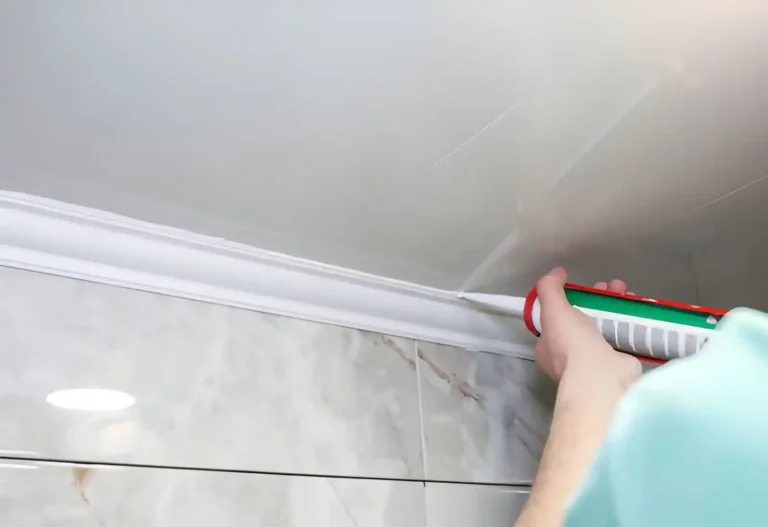
When you are ready to install the trim, follow our guide to fitting cornice on kitchen units and cabinets.
What Is a Cornice in a Kitchen?
A kitchen cornice is a decorative moulding installed either:
- At the junction between the wall and ceiling, or
- Above kitchen wall units and cabinets, bridging the gap between cabinets and ceiling
Its purpose is to soften hard lines, conceal gaps or imperfections, and give kitchens a more built-in, bespoke appearance.
Unlike cornice in living rooms, kitchen cornice is typically:
- More restrained in scale
- Designed to work alongside cabinetry
- Made from moisture-resistant materials
What Is the Purpose of Cornice in a Kitchen?
Kitchen cornice is not just decorative—it serves several practical functions.
Creating a Built-In, Finished Look
Cornice removes the awkward gap often left above wall units, making kitchens appear custom-fitted rather than modular.
Improving Visual Proportion
It balances vertical space, especially in kitchens with:
- High ceilings
- Tall cabinets
- Minimal wall decoration
Hiding Imperfections
Cornice can discreetly conceal:
- Uneven ceilings
- Small gaps above cabinets
- Lighting transitions or cable routes
Is Cornice Necessary in a Kitchen?
Cornice is not strictly essential, but in many kitchens it significantly improves the overall finish.
Cornice works especially well if:
- Your kitchen has wall units that stop short of the ceiling
- You want a polished, high-end look
- The room feels visually “top heavy” or unfinished
Cornice may be optional if:
- You’re designing a very minimalist, handleless kitchen
- Cabinets run fully to the ceiling with no visible gaps
Even in modern kitchens, a simple, clean-lined cornice often adds refinement without compromising style.
What Materials Are Best for Kitchen Cornice?
Material choice is particularly important in kitchens due to heat, moisture, and regular cleaning.
Why Traditional Plaster Is Rarely Used in Kitchens
- Heavy and fragile
- Prone to cracking
- Not moisture-resistant
- Requires specialist installation
Timber Cornice in Kitchens
Timber is commonly used on cabinetry, but it has limitations:
- Can warp or move with humidity
- Requires precise joinery
- Less forgiving over time
Lightweight Polyurethane Cornice (Best Choice)
Modern kitchens increasingly use lightweight cornice made from advanced materials.
Key benefits
- Moisture-resistant and stable
- Lightweight and easy to install
- Crisp detail that paints cleanly
- Ideal for Irish kitchens
This makes polyurethane cornice a practical and durable option for both new kitchens and retrofits.
Are Kitchen Cornices Still in Style?
Yes—kitchen cornices are still very much in style, but the way they’re used has evolved.
Today’s trends favour:
- Simple, streamlined profiles
- Minimal projection
- Cornice that complements cabinetry rather than dominates
Cornice works just as well in modern kitchens as it does in traditional or shaker-style designs, provided the profile is chosen carefully.
Kitchen Cornice Styles to Consider
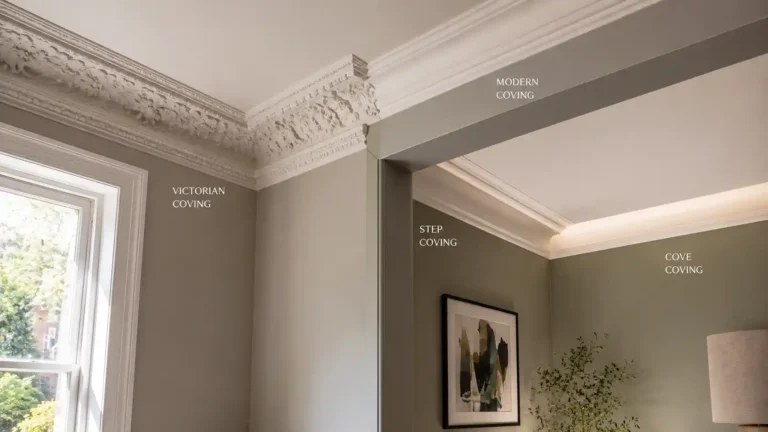
Simple & Modern Cornice
- Clean lines and subtle shapes
- Ideal for contemporary kitchens
- Keeps the look refined and uncluttered
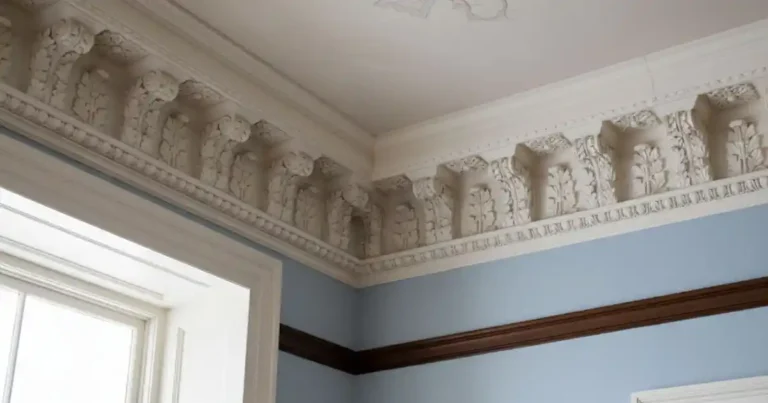
Classic or Decorative Cornice
- Suits period homes and traditional kitchens
- Often paired with panelled cabinet doors
- Adds architectural character
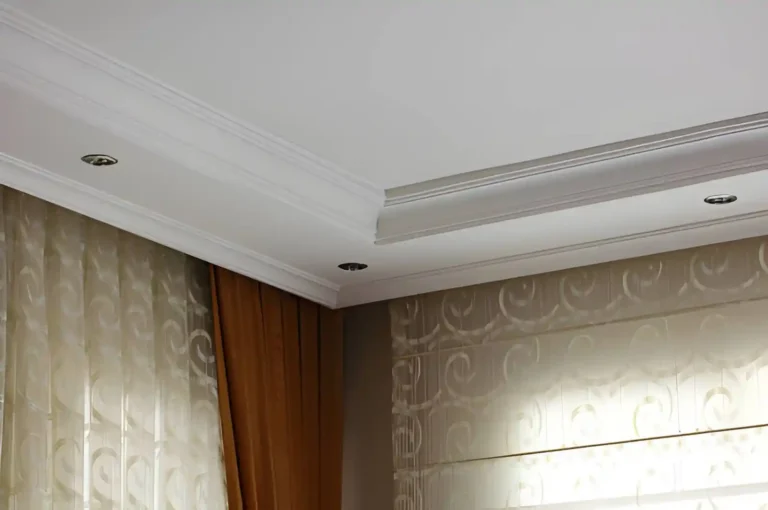
Cornice with Integrated Lighting
- Designed to work with LED lighting
- Creates soft ambient illumination
- Enhances atmosphere without visible fittings
Cornice Above Kitchen Cabinets vs Ceiling Cornice
These are often confused but serve slightly different roles.
- Cornice above cabinets:
Used to finish the top of wall units and create a built-in look - Ceiling cornice:
Installed at the wall–ceiling junction to frame the entire room
In some kitchens, both are used together for a cohesive architectural finish.
Choosing the Right Kitchen Cornice
When selecting cornice for a kitchen, consider:
- Ceiling height – higher ceilings can handle deeper profiles
- Cabinet height and depth – cornice should align cleanly
- Colour – most cornice is painted to match ceiling or cabinets
- Consistency – coordinate with skirting or wall mouldings elsewhere in the home
A well-chosen cornice should enhance the kitchen without drawing too much attention to itself.
Can You Install Kitchen Cornice Yourself?
Many homeowners successfully install kitchen cornice themselves, particularly when using lightweight modern materials.
DIY installation is suitable if:
- The layout is straightforward
- You’re comfortable measuring and cutting
- You’re using lightweight, paint-ready mouldings
Professional installation may be better if:
- The kitchen has complex angles
- You want a flawless finish under time pressure
- The property has uneven walls or ceilings
Lightweight cornice makes installation far simpler than traditional plaster alternatives.
Common Kitchen Cornice Mistakes to Avoid
- Choosing a profile that’s too large for the space
- Ignoring moisture resistance
- Poor alignment above cabinets
- Skipping surface preparation before fixing
Avoiding these mistakes ensures the cornice enhances rather than distracts.
Frequently Asked Questions About Kitchen Cornice
Final Thoughts: Why Cornice Works So Well in Kitchens
Kitchen cornice is a small detail that delivers a big visual payoff. It improves proportion, hides imperfections, and gives kitchens a more intentional, professional finish—without major renovation work.
With modern lightweight, moisture-resistant materials, cornice is now easier to install and maintain than ever before. For homeowners and professionals alike, it remains one of the most effective ways to elevate kitchen design.
At Gaudi Coving, kitchen cornice and decorative mouldings are designed to combine European-inspired elegance with modern performance, making them a practical choice for kitchens across Ireland.
The GAUDI 1.50.113 cornice is a good example of the understated, versatile profile that suits a kitchen cornice application.