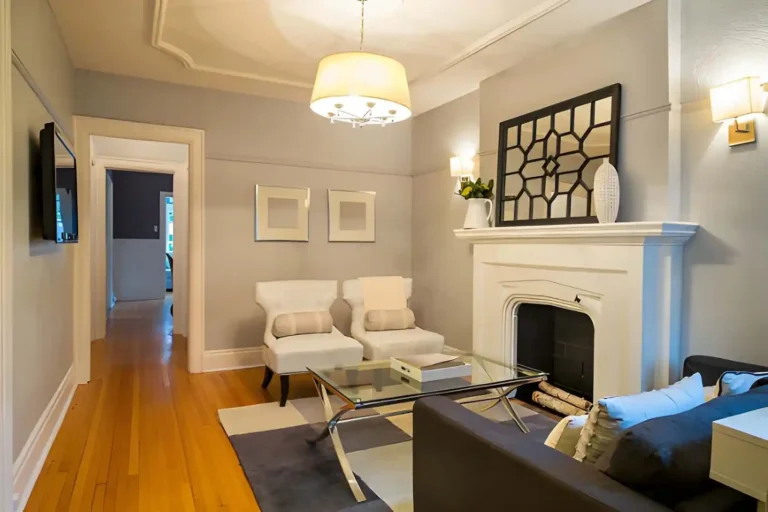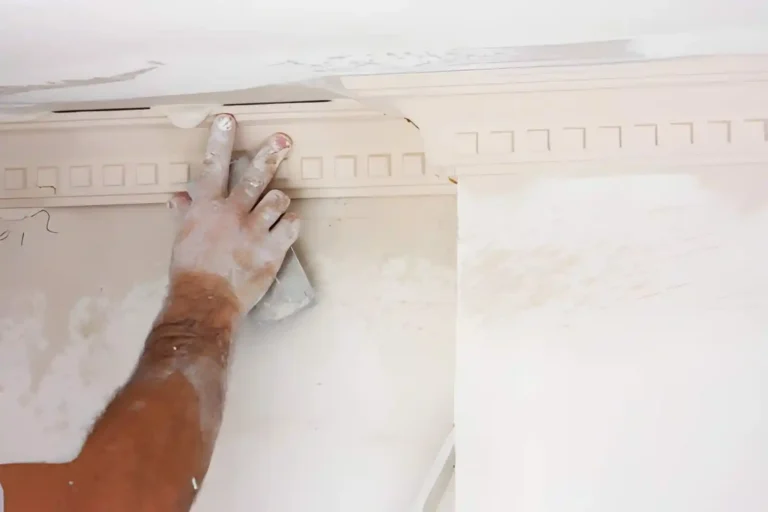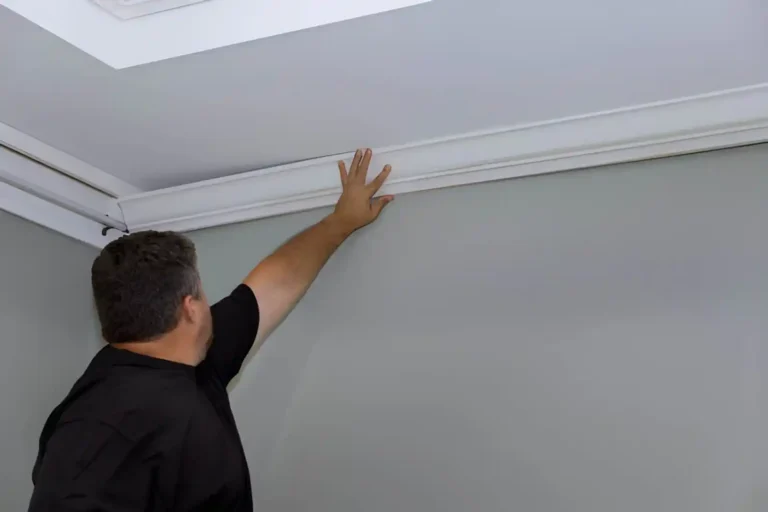

When choosing cornice for a home or commercial interior, material matters just as much as style. The material determines how the cornice looks, how long it lasts, how difficult it is to install, and whether it will cope with moisture, movement, and everyday wear.
In this guide, we’ll explain what cornice is made of, compare plaster, polyurethane, and timber, and help you decide which option is best for your space—particularly in Irish homes.
Once you have compared materials, weigh the practical cost, time, and finish trade-offs in our guide to making a cornice versus buying one.
Why Cornice Material Matters
At first glance, many cornices look similar once painted. But beneath the surface, materials behave very differently.
The right material affects:
- Durability and lifespan
- Resistance to cracking and moisture
- Installation time and cost
- Suitability for kitchens, bathrooms, and commercial spaces
- Long-term maintenance requirements
Understanding these differences helps avoid costly mistakes later.
Traditional Plaster Cornice
What Is Plaster Cornice?
Plaster cornice is made from gypsum-based plaster, traditionally cast in moulds. It is most commonly found in period homes and heritage buildings, where it may be original to the property.
Advantages of Plaster Cornice
- Authentic traditional appearance
- Deep, ornate detailing
- Ideal for historic restorations where originality matters
Limitations of Plaster Cornice
Despite its heritage appeal, plaster has several drawbacks:
- Heavy and fragile
- Susceptible to cracking as buildings move
- Poor moisture resistance
- Difficult and time-consuming to install
- Requires specialist skills for repair
In modern projects, plaster cornice often increases labour costs and project timelines.
Timber Cornice
What Is Timber Cornice Used For?
Timber cornice is typically used in:
- Cabinetry and kitchen units
- Joinery and fitted furniture
- Decorative trims rather than full ceiling cornices
It is less commonly used as ceiling cornice in modern interiors.
Advantages of Timber Cornice
- Natural material
- Matches timber kitchens and joinery
- Can be custom-made for bespoke projects
Limitations of Timber Cornice
- Reacts to humidity and temperature changes
- Can warp, shrink, or expand over time
- Requires precise carpentry
- Limited range of ceiling-suitable profiles
- Less suitable for bathrooms or kitchens with high moisture
Timber is best reserved for cabinetry details rather than wall–ceiling transitions.
Modern Polyurethane & Polystyrene Cornice
What Is Polyurethane Cornice?
Polyurethane cornice is manufactured using high-density materials designed to replicate the crisp detail of traditional mouldings—without the weaknesses of plaster or timber.
Polystyrene is a lighter, simpler alternative, while high-density polyurethane offers superior strength and detail.
Advantages of Polyurethane Cornice
- Lightweight and easy to handle
- Moisture-resistant and dimensionally stable
- Crisp, consistent detailing
- Paint-ready with smooth finishes
- Suitable for DIY and professional installation
- Resistant to cracking and movement
These qualities make polyurethane particularly well suited to modern Irish homes, kitchens, bathrooms, and commercial interiors.
Common Myths About Lightweight Cornice
“It looks cheap.”
Modern polyurethane mouldings are designed for architectural use and paint exceptionally well, making them visually indistinguishable from plaster once finished.
“It won’t last.”
High-density polyurethane is stable, impact-resistant, and designed for long-term interior use.
Plaster vs Polyurethane vs Timber: Quick Comparison
| Feature | Plaster | Timber | Polyurethane |
|---|---|---|---|
| Weight | Heavy | Medium | Lightweight |
| Moisture Resistance | Low | Low–Medium | High |
| Crack Resistance | Poor | Medium | Excellent |
| Detail Sharpness | Very High | Medium | High |
| Installation | Specialist | Skilled joinery | DIY-friendly |
| Maintenance | High | Medium | Low |
| Best Use | Heritage homes | Cabinetry | Modern interiors |
Which Cornice Material Is Best for Each Room?
Living Rooms & Dining Rooms
- Plaster for heritage restorations
- Polyurethane for modern or renovated homes
For a more cohesive finish, many renovated homes also incorporate decorative window frames that complement the cornice design and help create a balanced architectural look throughout the room.
Kitchens
- Polyurethane is ideal due to moisture resistance and stability
- Timber may be used above cabinets but not at ceilings
Bathrooms
- Polyurethane performs best
- Plaster and timber are prone to damage over time
Commercial Interiors
- Lightweight cornice offers speed, consistency, and durability
- Reduced downtime and predictable results on site
Is Modern Cornice Suitable for Period Homes?
Yes—modern cornice materials are increasingly used in period renovations.
They allow:
- Matching traditional profiles
- Reduced load on older structures
- Easier installation during refurbishments
In traditional and period-style interiors, cornice is often combined with decorative pilasters to recreate the classical architectural details commonly found in historic homes and restoration projects.
Installation Considerations by Material
- Plaster: Requires specialist tools, heavy lifting, and skilled labour
- Timber: Needs accurate carpentry and allowance for movement
- Polyurethane: Installed using adhesives, simple cutting tools, and minimal preparation
Material choice can significantly affect installation time and overall project cost.
Cost vs Value: Which Cornice Makes Sense?
While plaster may seem prestigious, it often carries:
- Higher labour costs
- Increased repair and maintenance
Polyurethane offers:
- Faster installation
- Lower long-term maintenance
- Excellent value over the life of the interior
For most modern homes, it delivers the best balance of appearance and performance.
How to Choose the Right Cornice Material for Your Project
Ask yourself:
- Is the room exposed to moisture or temperature changes?
- Do I want a DIY-friendly solution?
- Is the property period or contemporary?
- How important is long-term maintenance?
Cornice is often just one element of a larger architectural design scheme. Many homeowners combine decorative cornice with pilasters, detailed window frames, and exterior facade mouldings to create a cohesive style that flows throughout both the interior and exterior of the property.
For designers, trades, and homeowners alike, material choice should support both design intent and practical use.
Frequently Asked Questions About Cornice Materials
Final Thoughts: Why Cornice Material Choice Has Changed
Cornice hasn’t disappeared—it has evolved. While plaster and timber still have their place, modern interiors demand materials that are lighter, more durable, and easier to work with.
Today’s cornice materials deliver the elegance of traditional design with far fewer compromises. For most homes and commercial projects, modern lightweight cornice provides the best combination of appearance, performance, and value.
At Gaudi Coving, cornice and decorative mouldings are selected to reflect this shift—combining European-inspired design with modern materials suited to Irish interiors.
Material matters here: the GAUDI 1.50.115 is polyurethane, while the GAUDI 6.50.243 is HDPS — both durable, moisture-resistant alternatives to traditional plaster.