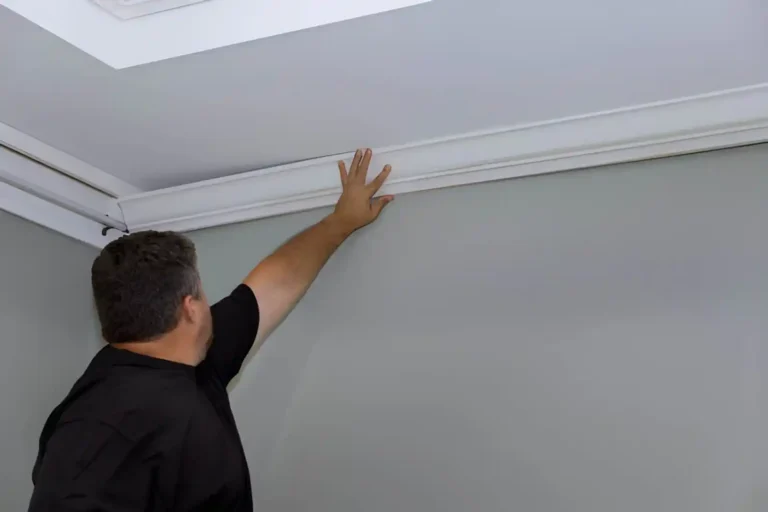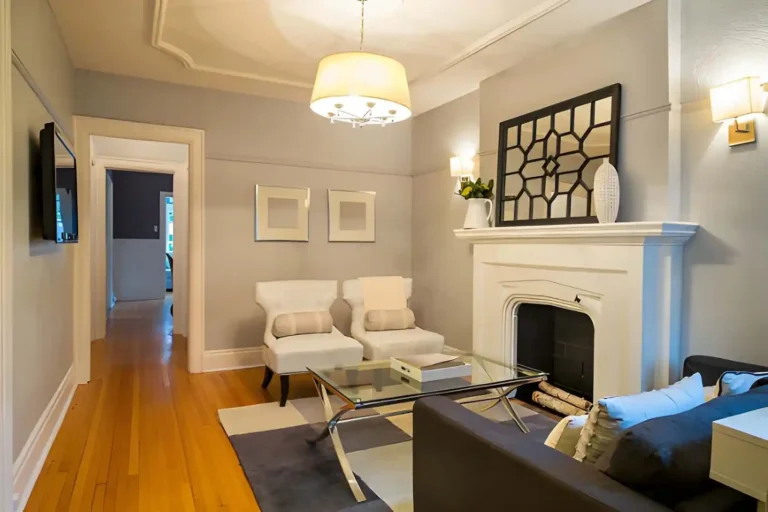
Can you put coving on a media wall? Media walls have quickly become one of the most desirable features in modern Irish homes.
Whether in a sleek Dublin apartment or a newly built family home in Meath or Cork, they act as a central focal point—combining entertainment, storage, and design in one cohesive feature. But despite their popularity, many media walls fall short in one key area: they often look unfinished.
This is where coving comes in.
Coving is no longer just a traditional design feature reserved for period homes. Today, it’s a versatile, modern design tool that adds depth, polish, and even integrated lighting to contemporary spaces. When used correctly, it can elevate a media wall from a functional installation to a truly architectural feature.
Still, many homeowners and trade professionals hesitate. Will it look too traditional? Can it work with LED lighting? And what about tricky surfaces like artex ceilings?
The good news: with the right approach and materials—such as those offered by Gaudi Coving—you can seamlessly incorporate coving into a media wall design.
For a complete overview across your entire home, see: “Where to use coving in your home: room-by-room guide.”
What Is a Media Wall & Why Finishing Details Matter
What defines a modern media wall
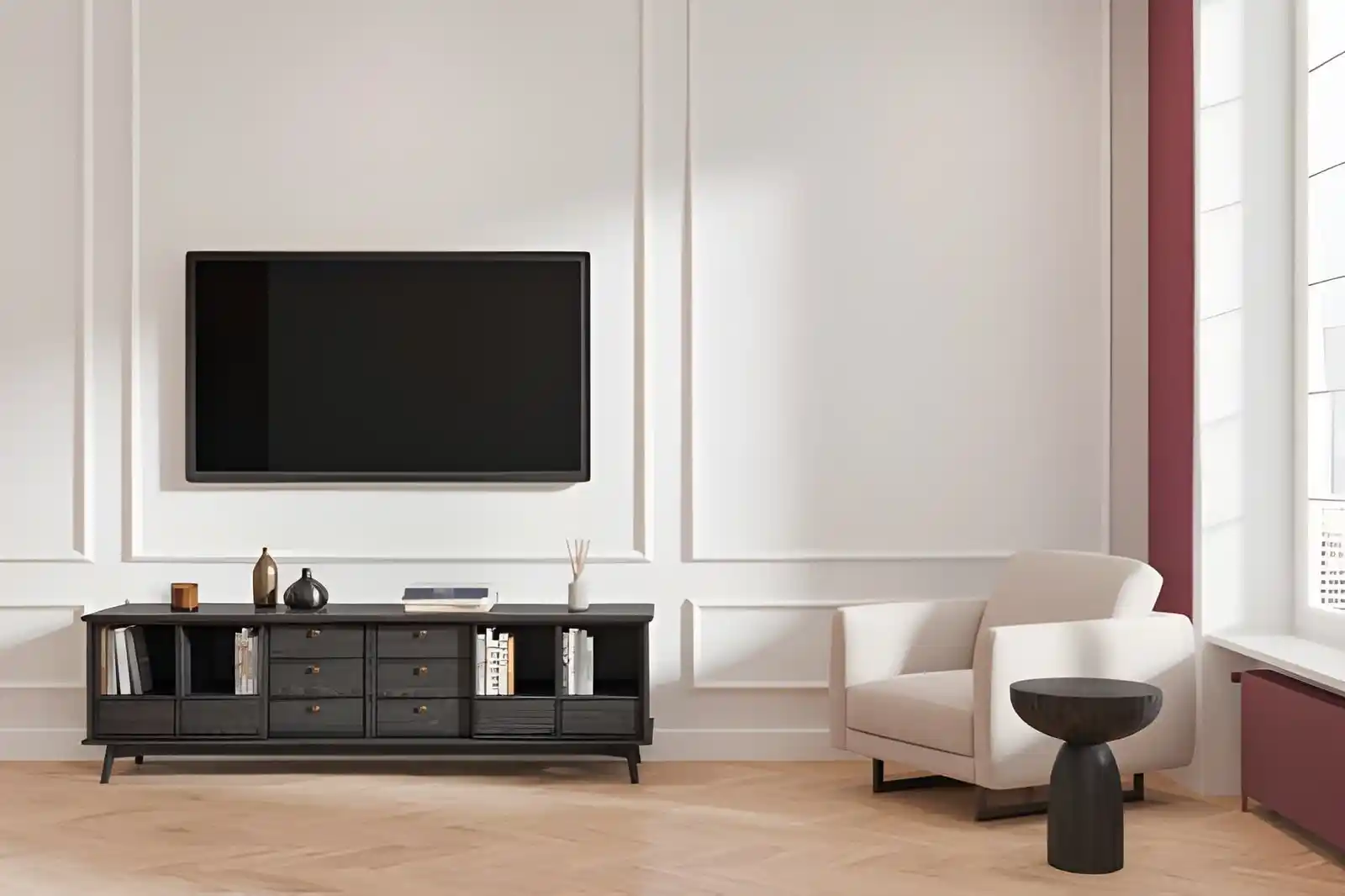
A media wall typically includes a built-in television, integrated shelving or alcoves, and often LED lighting for added ambience. It’s designed to maximise space while creating a clean, contemporary look.
In Ireland, media walls have become increasingly popular in both renovations and new builds. They offer a way to declutter living areas while introducing a high-end, custom-built feel.
The problem: media walls can look incomplete
Despite their sleek design, many media walls lack a finished edge—particularly where the wall meets the ceiling. This can result in:
- Harsh, flat transitions
- A “boxy” appearance
- A disconnect from the rest of the room
How coving enhances a media wall
Adding coving solves these issues by:
- Creating a visual frame that ties the wall into the ceiling
- Softening sharp lines for a more refined look
- Adding architectural detail that elevates the entire space
Can You Put Coving on a Media Wall? (Short Answer: Yes — But It Depends How You Do It)
Yes—you can absolutely put coving on a media wall. But the success of the result depends on three key factors: design, material, and placement.
Coving works best when it is:
- Planned as part of the overall design (not added as an afterthought)
- Matched to the style of the media wall
- Installed with precision and the right materials
When coving works best on media walls
- Contemporary spaces: Use slim, minimalist profiles
- Luxury interiors: Opt for deeper, more defined cornices
- LED-integrated walls: Choose coving designed to accommodate indirect lighting
Design Options: How to Use Coving on a Media Wall
Option 1: Full-room coving (most common)
This is the most seamless approach. Coving runs across the entire ceiling, including the media wall area, creating a unified look.
This works particularly well in open-plan spaces or living rooms where consistency is key.
👉 If you’re planning the whole space, read: “Do you put coving in bedrooms?”
Option 2: Feature framing around the media wall
Instead of running coving across the entire room, you can use it to frame just the media wall.
This creates a striking focal point and works well in:
- Smaller rooms
- Feature walls
- High-end design projects
Option 3: LED coving integration (high-demand trend)
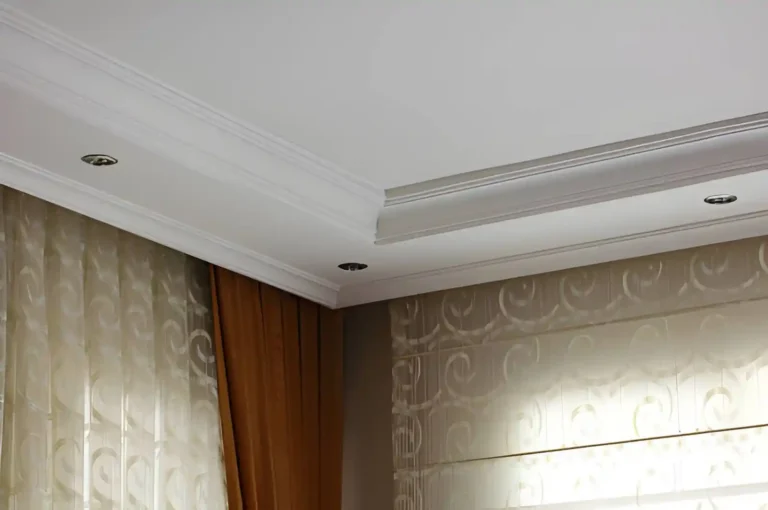
One of the biggest trends right now is combining coving with LED lighting. This creates a soft, indirect glow that enhances the ambience of the room.
It’s especially popular among:
- Interior designers
- High-end homeowners
- Modern renovation projects
👉 Also relevant for kitchens: “Can you use coving in a kitchen?”
Option 4: Minimalist shadow gap coving
For ultra-modern homes, shadow gap coving creates a subtle recessed effect where the wall meets the ceiling.
This approach is ideal for:
- New builds
- Contemporary extensions
- Minimalist interiors
Best Coving Materials for Media Walls
Why material choice matters
Media walls generate heat (especially around TVs), and they require precise installation. Choosing the wrong material can lead to:
- Cracking
- Warping
- Poor long-term durability
Recommended materials
Polyurethane (premium choice):
- Lightweight
- Moisture-resistant
- Highly durable
- Easy to install
High-density polystyrene:
- More budget-friendly
- Lightweight
- Quality can vary significantly
👉 For moisture-prone areas, see: “Can you put coving in a bathroom?”
Why Gaudi Coving is ideal for media walls
Gaudi Coving stands out as a premium solution for both homeowners and trade professionals. It offers:
- Clean, contemporary profiles suited to modern interiors
- Paint-ready finishes for seamless colour matching
- Lightweight construction for easier installation
- Long-term durability without cracking or shrinking
This makes it especially appealing for Irish renovation projects where quality and longevity matter.
Can You Put Coving on an Artex Ceiling?
The challenge with artex
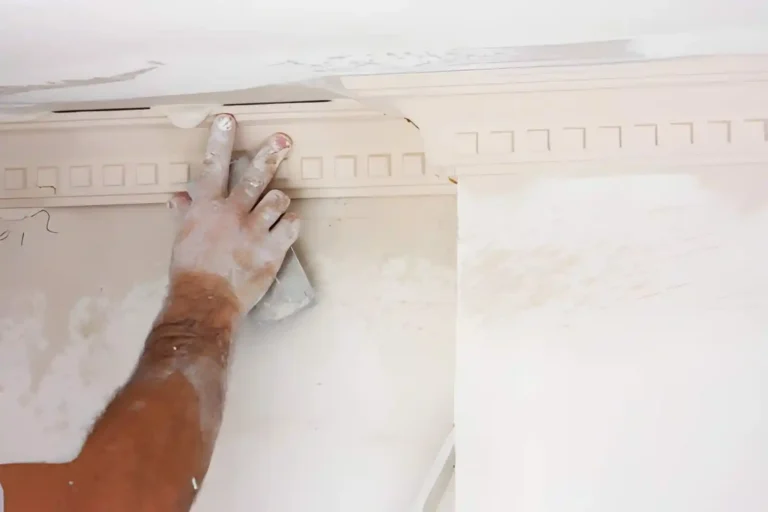
Artex ceilings present a unique challenge due to their uneven texture. This can lead to:
- Poor adhesion
- Gaps between coving and ceiling
- A less polished finish
Solutions
- Skimming the ceiling: The most effective long-term solution
- Adhesive fillers: Suitable for minor textures
- Mechanical fixing: Sometimes required for stability
Pro tip for trade professionals
Always assess the ceiling surface before installation. Factoring in preparation time ensures accurate quotes and avoids delays.
Installation Tips for Media Wall Coving
Planning the layout
Before installation, align your coving with:
- The edges of the TV unit
- Ceiling height
- Lighting placement
This ensures a cohesive and balanced design.
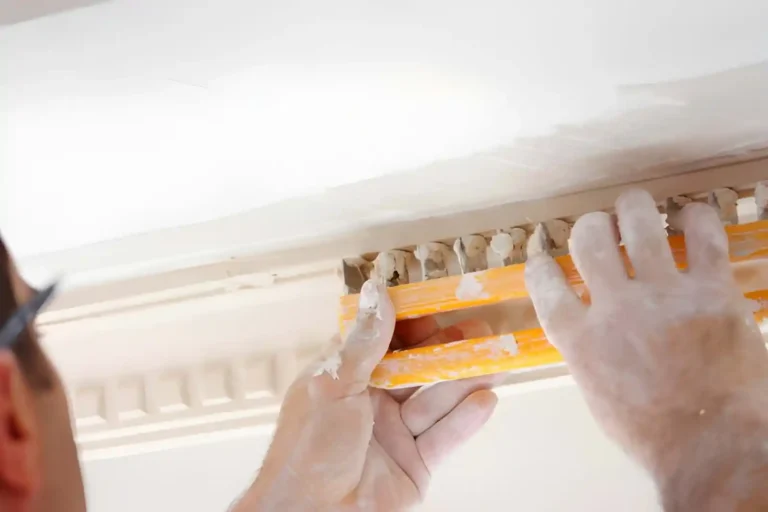
Cutting and fitting
Media walls often include alcoves and recesses, which require precise cuts. Poor alignment can ruin the overall effect.
👉 For advanced installs: “How to fit coving on a curved wall or bay window”
Adhesives & fixing
- Use a high-grab adhesive for secure fixing
- Avoid relying too heavily on filler
- Ensure surfaces are clean and prepared
Integrating LED lighting
- Leave space for LED strips
- Plan cable routes in advance
- Test lighting before final installation
Common Mistakes to Avoid
- Choosing overly ornate designs in modern spaces
- Misaligning coving with the media wall structure
- Skipping surface preparation (especially on artex ceilings)
- Using low-quality materials that crack over time
Media Wall Coving Ideas for Irish Homes
Modern Dublin apartment
- Slim coving profiles
- Integrated LED lighting
- Neutral colour palette
Period home renovation
- Deeper coving profiles
- Blending traditional and modern elements
- Maintaining original architectural character
New-build family home
- Full-room coving
- Soft LED lighting integration
- Clean, contemporary finishes
Cost Considerations (Homeowners + Trade)
What affects cost
- Material type (polyurethane vs polystyrene)
- Profile size and complexity
- Installation difficulty
Why investing in quality pays off
- Reduced risk of cracking or warping
- Faster installation for trades
- Higher perceived property value
Is Coving on a Media Wall Worth It?
In most cases, yes.
Coving is particularly valuable for:
- Design-conscious homeowners
- High-end renovation projects
- Trade professionals delivering premium finishes
It adds:
- Architectural depth
- Lighting flexibility
- A cohesive, polished look
Can you Put Coving on a Media Wall? FAQs
Conclusion
Coving has evolved far beyond its traditional roots. When used correctly, it transforms media walls from simple installations into standout architectural features.
The key lies in choosing the right design, selecting durable materials, and ensuring precise installation. Whether you’re a homeowner upgrading your living space or a trade professional delivering a high-end finish, coving offers a powerful way to enhance both aesthetics and value.
With modern solutions like Gaudi Coving, you can achieve a clean, contemporary look that’s built to last—without the complications of traditional materials.