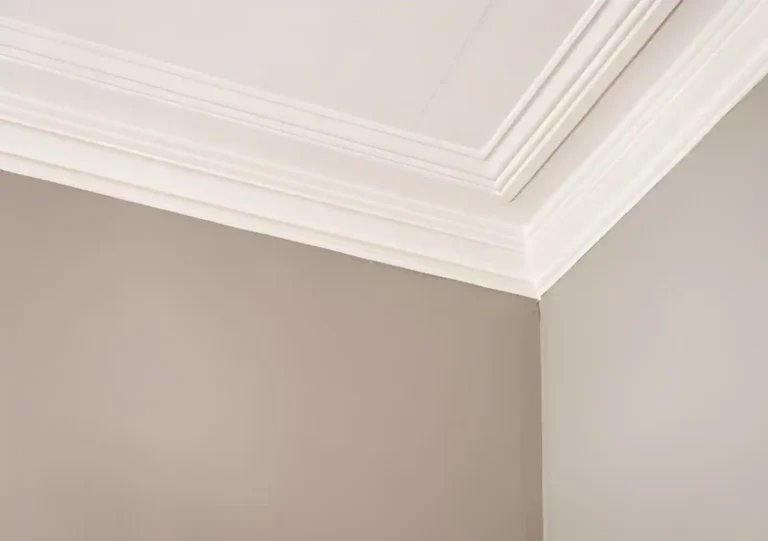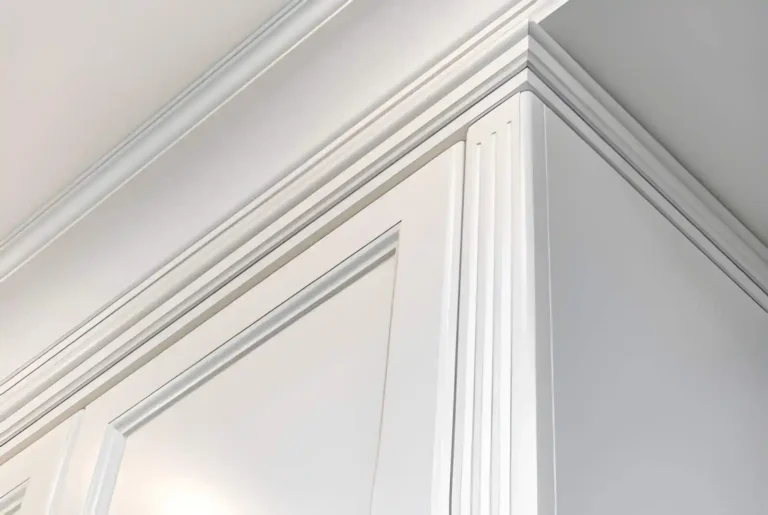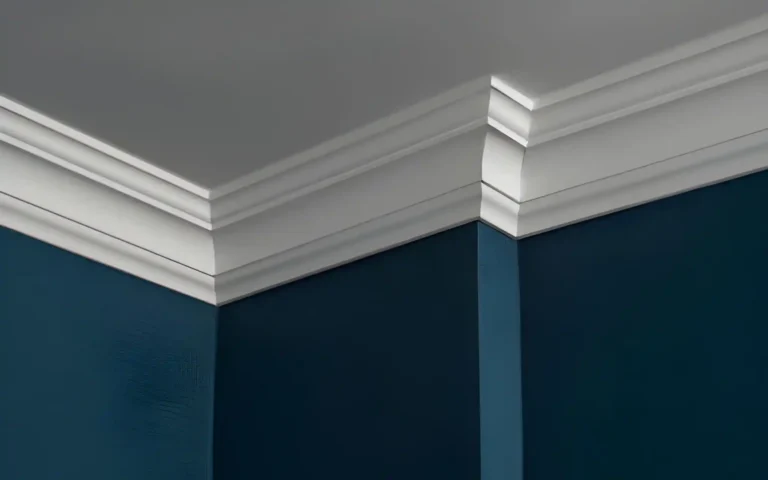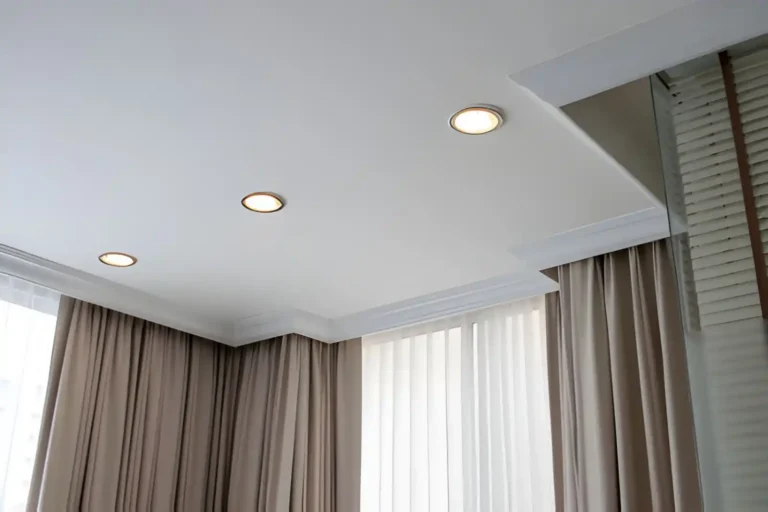
Is polystyrene coving easy to install vs plaster coving? Choosing the right coving isn’t just about style—it directly affects how easy (or frustrating) your installation will be and how polished your final result looks.
Whether you’re upgrading a living room in Dublin or finishing a renovation in Cork, one key question keeps coming up: is polystyrene coving easy to install compared to plaster?
The short answer: yes—polystyrene coving is significantly easier to install, especially for DIYers. Plaster coving, while often seen as more traditional and premium, is heavier, more complex, and typically requires professional installation.
For both homeowners and trade professionals, brands like Gaudi Coving have helped bridge the gap—offering lightweight, high-quality profiles that deliver a classic finish without the installation headaches.
If you’re still weighing up whether coving is a DIY-friendly task overall, check out our full guide:→ Is coving easy to fit yourself?
What Is Polystyrene Coving vs Plaster Coving?
What Is Polystyrene Coving?
Polystyrene coving (often expanded or high-density variants) is designed with modern installation in mind. It’s lightweight, easy to handle, and typically comes pre-primed—meaning it’s ready to paint straight after fitting.
Many modern options, including those from Gaudi Coving, are engineered to replicate the look of traditional plaster while being far more practical. These materials are especially popular in Irish homes where moisture resistance and ease of installation are key concerns.
In short, polystyrene coving is built for:
- DIY installation
- Quick turnaround projects
- Consistent, crack-resistant finishes
What Is Plaster Coving?
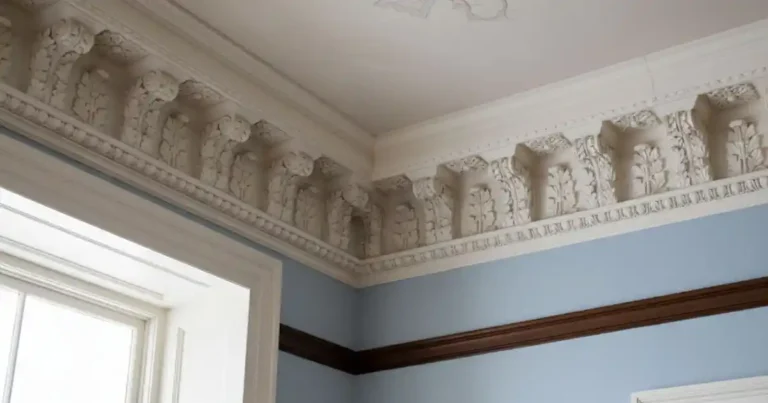
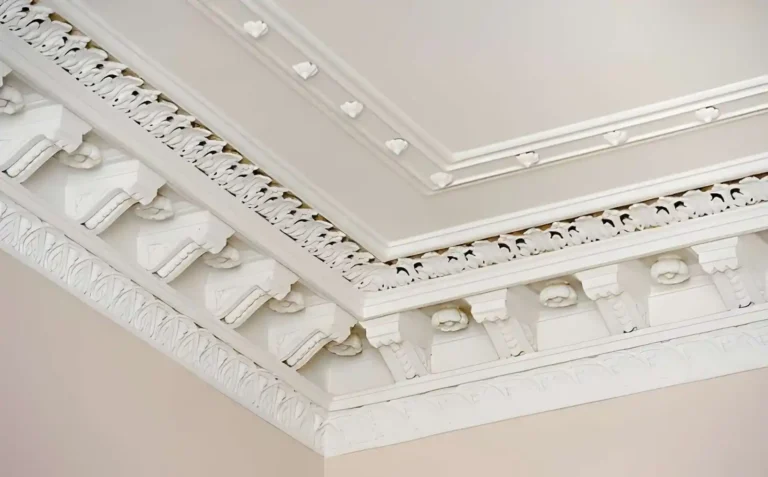
Plaster coving is the traditional choice, made from gypsum and often associated with period homes and ornate detailing. It delivers a solid, premium feel—but that comes at a cost.
It’s significantly heavier, more fragile during handling, and requires precise cutting and fixing. In most cases, it’s installed by experienced tradespeople rather than DIYers.
If you’re unsure who typically handles this type of work, see:
→ Is coving a plasterer’s job or can anyone do it?
Is Polystyrene Coving Easy to Install?
Why It’s Considered DIY-Friendly
Polystyrene coving is widely regarded as the easiest coving material to install—and for good reason.
First, it’s lightweight. You can comfortably hold and position it on your own, even in longer lengths. That alone removes one of the biggest barriers DIYers face with plaster.
Second, installation is straightforward. Instead of screws or nails, most systems rely on adhesive, reducing both complexity and mess.
Third, you don’t need specialist tools. A simple fine-tooth saw or even a sharp knife is often enough to cut clean edges.
For homeowners in Ireland looking to upgrade interiors without hiring trades, this aligns perfectly with common goals:
- Achieving a “designer look” affordably
- Avoiding complex installations
- Reducing renovation timelines
Typical Installation Steps
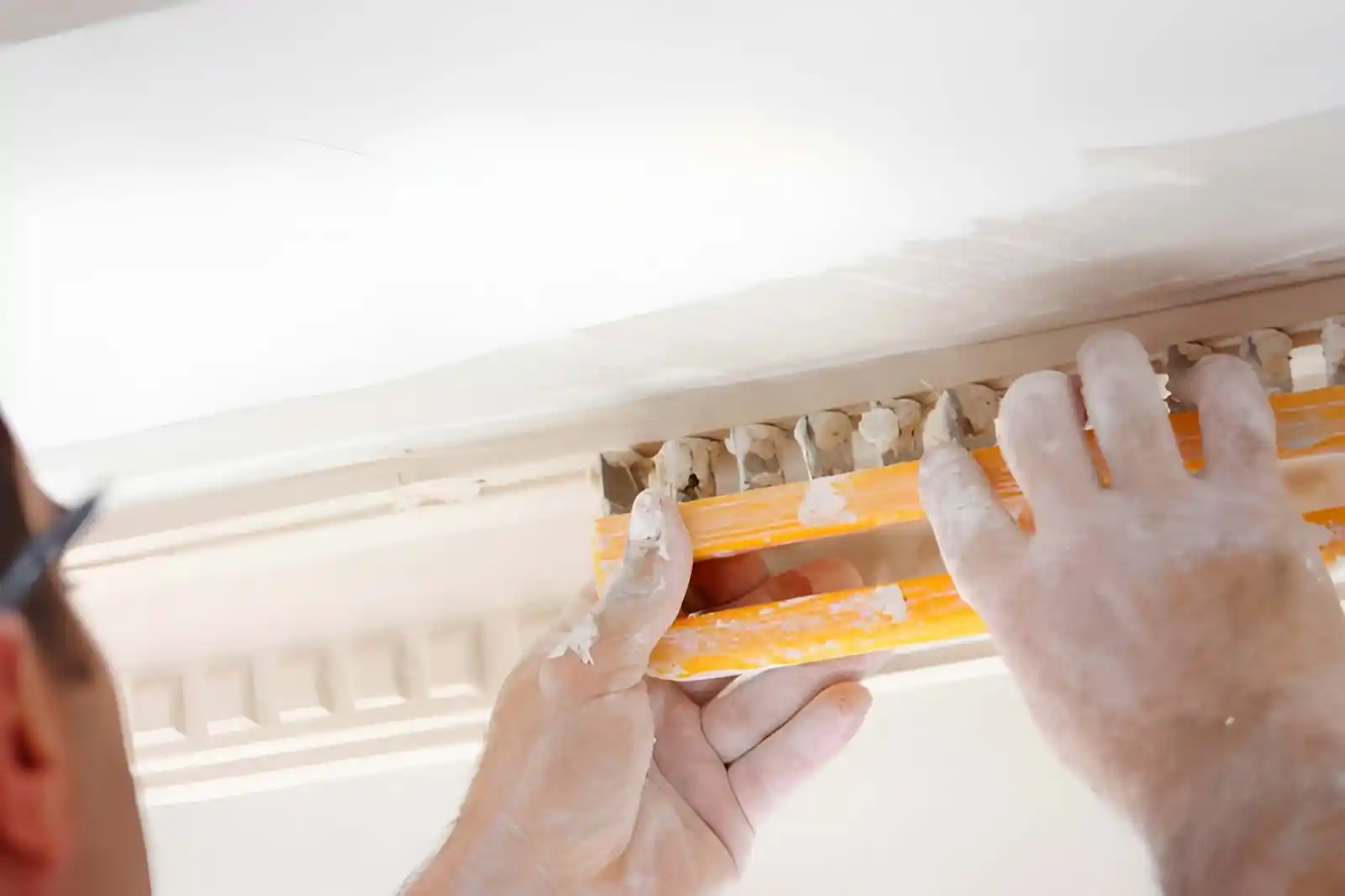
Installing polystyrene coving is surprisingly manageable, even for beginners.
- Measure and mark your wall and ceiling edges carefully
- Cut corners using a mitre box for accuracy
- Apply adhesive evenly along the edges
- Fix the coving into place and align properly
- Fill joints and smooth out any gaps
Most standard rooms can be completed in just a few hours.
Common Beginner Mistakes (and How to Avoid Them)
Even with an easy material, mistakes can happen. The most common include:
- Misaligned corners: Always dry-fit pieces before applying adhesive
- Uneven adhesive application: Use consistent pressure and coverage
- Poor measuring: Measure twice—cut once
The good news? Polystyrene is forgiving. Small errors are easier to correct compared to plaster.
Is Plaster Coving Easy to Install?
Why It’s More Difficult
Plaster coving is on the opposite end of the spectrum.
It’s heavy, often requiring two people to lift and position safely. The edges are also fragile, meaning a small mistake can lead to cracking or breakage.
Installation itself is more involved. You’ll often need mechanical fixings like screws or nails alongside adhesive, adding another layer of complexity.
Tools & Skills Required
Unlike polystyrene, plaster coving demands a higher skill level and better equipment.
You may need:
- A mitre saw for precise cuts
- Jointing compounds for seamless finishes
- Experience in plastering techniques
Without these, achieving a clean, professional result can be difficult.
When DIY Becomes Risky
There are situations where attempting plaster coving yourself can lead to costly mistakes:
- High ceilings that make handling difficult
- Large rooms with multiple joints
- Period renovations where precision is critical
In these cases, hiring a professional is usually the safer option.
Key Differences: Polystyrene vs Plaster Coving
| Feature | Polystyrene Coving | Plaster Coving |
|---|---|---|
| Weight | Very lightweight | Heavy |
| Installation | Easy DIY | Professional recommended |
| Cutting | Simple | Skilled |
| Durability | Moisture-resistant | Can crack over time |
| Finish | Smooth, modern | Traditional, premium |
| Cost | Budget-friendly | Higher material + labour |
Which Is Better for Your Project?
Best for Homeowners (DIY Renovators)
For most homeowners—especially those renovating in Dublin, Galway, or commuter counties—polystyrene coving is the clear winner.
It’s ideal for:
- First-time DIY installers
- Quick room transformations
- Kitchens and bathrooms where moisture is a concern
It also addresses key pain points:
- No complicated installation
- Reduced risk of cracking
- Clean, high-end look without high-end labour costs
Best for Trade Professionals
Plaster still has its place, particularly in:
- Heritage restorations
- Bespoke architectural projects
However, there’s a growing shift toward lightweight materials—even among professionals.
Why?
- Faster installation = lower labour costs
- Consistent product quality
- Reduced risk of delays
Many trades now prefer high-quality alternatives like those offered by Gaudi Coving for efficiency without compromising on finish.
Real-World Use Cases
Modern New Builds (Dublin, Kildare, Meath)
In newer homes, the trend is clear: clean lines, minimal profiles, and integrated lighting.
Lightweight coving is often used alongside LED strips to create subtle, modern effects. Products from Gaudi Coving are particularly suited to this, offering sleek profiles that are easy to install at scale.
Period Home Renovations (Cork, Galway, Limerick)
In older homes, plaster coving is sometimes chosen to preserve authenticity.
However, many homeowners now opt for a hybrid approach—using lightweight coving with classic designs to achieve the same aesthetic with fewer risks and lower costs.
Is Ceiling Coving Easy to Install Overall?
So, is ceiling coving easy to install?
It depends entirely on the material.
- Yes, if you’re using polystyrene or polyurethane
- No, if you’re using traditional plaster without experience
Cost vs Effort: What Should You Choose?
Polystyrene Coving
- Lower upfront cost
- No need for professional labour
- Faster project completion
This makes it ideal for budget-conscious renovations or multi-room upgrades.
Plaster Coving
- Higher material costs
- Requires skilled installation
- Longer timelines
While the finish can be premium, the overall investment is significantly higher.
Pro Tips for Easier Coving Installation
No matter which material you choose, these tips will improve your results:
- Always dry-fit pieces before applying adhesive
- Use high-quality adhesive instead of cheap fillers
- Start with a smaller room to build confidence
- Choose pre-primed coving to save time
Is Polystyrene Coving Easy to Install vs Plaster Coving? – FAQs
Conclusion
When it comes to ease of installation, the verdict is clear:
- Polystyrene coving = easiest, fastest, most DIY-friendly option
- Plaster coving = premium but more complex and labour-intensive
For today’s homeowners and trade professionals, the priority is often the same: achieving a refined, long-lasting finish without unnecessary complications.
That’s where Gaudi Coving stands out—offering products that are both trade-trusted and designer-approved, combining classic aesthetics with modern ease of installation.