Choosing the right coving material can completely transform how a room looks and feels. Whether you’re renovating a period home in Dublin, upgrading a modern build in Cork, or managing multiple projects as a trade professional, coving is one of those finishing touches that defines the overall quality of an interior.
Traditionally, plaster coving dominated the Irish market. But today, lightweight alternatives like polyurethane and engineered materials like MDF are becoming increasingly popular. This shift is driven by practical concerns—faster installation, improved durability, and better resistance to moisture.
When comparing MDF, plaster, and polyurethane coving, the key decision factors come down to:
- Durability over time
- Cost (initial vs long-term)
- Moisture resistance
- Ease of installation
- Design flexibility
This guide is designed for both homeowners and trade professionals in Ireland, helping you choose the best material based on your project, budget, and expectations.
If you’re exploring all types of coving, you can also check our full guide:
👉 Coving materials compared: plaster, polystyrene, polyurethane, XPS & more
Quick Comparison – MDF vs Plaster vs Polyurethane Coving
Here’s a quick side-by-side overview:
| Feature | MDF Coving | Plaster Coving | Polyurethane Coving |
|---|---|---|---|
| Weight | Medium | Heavy | Lightweight |
| Cost | Low | High | Medium–High |
| Moisture Resistance | Poor | Moderate | Excellent |
| Installation | DIY-friendly | Specialist required | DIY-friendly |
| Durability | Moderate | Can crack | Highly durable |
| Best Use | Budget dry rooms | Period homes | Modern & all-purpose |
What Is MDF Coving?
Key Features of MDF Coving
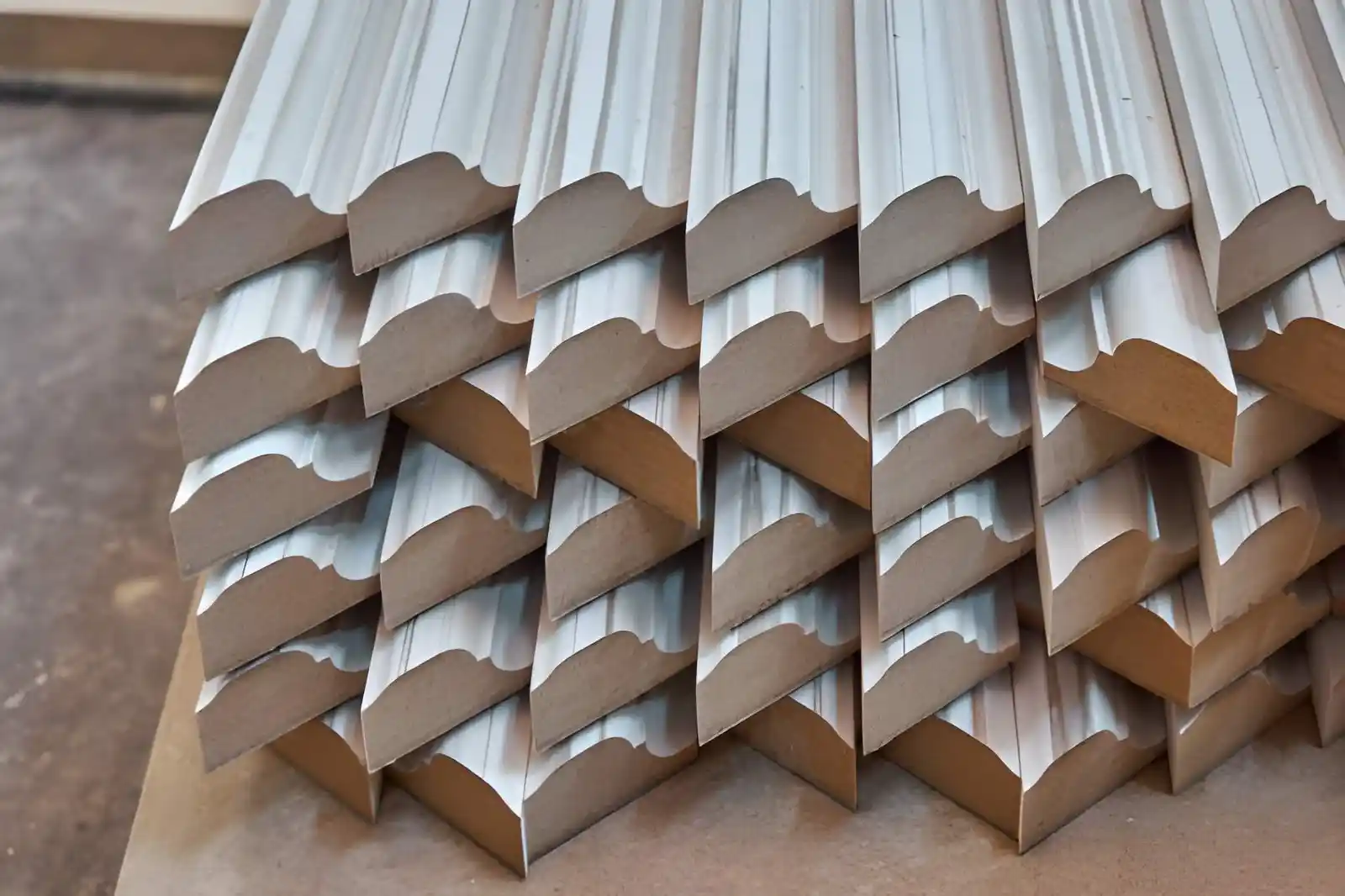
MDF (Medium-Density Fibreboard) coving is an engineered wood product made from compressed wood fibres. It’s widely used in interior joinery and often matches skirting boards and architraves for a consistent finish.
It typically comes:
- Pre-primed and ready to paint
- Smooth and uniform in texture
- In simple, modern profiles
Pros of MDF Coving
- Affordable – one of the cheapest options available
- Easy to cut and install – ideal for DIY projects
- Consistent finish – no natural imperfections
Cons of MDF Coving
- Poor moisture resistance – can swell or warp
- Heavier than polyurethane
- Not suitable for kitchens or bathrooms
For homeowners, MDF appeals as a quick, budget-friendly upgrade. However, for long-term or high-end renovations, it often falls short—especially in Ireland’s damp climate.
What Is Plaster Coving? (Traditional Choice)
Key Features of Plaster
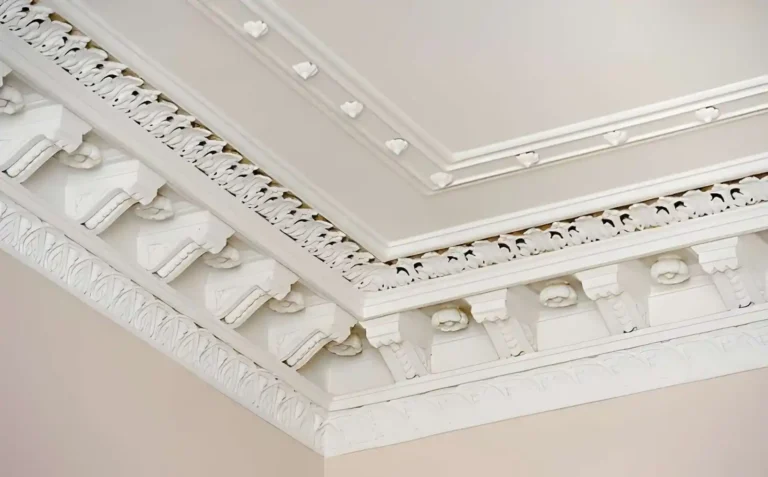
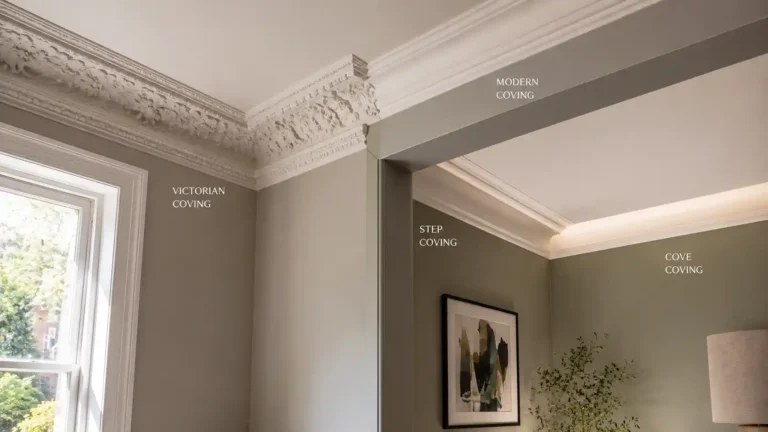
Plaster coving is the traditional choice, especially in period homes across Ireland. It offers a solid, authentic look that’s difficult to replicate with cheaper materials.
Learn more in our guide: 👉 plaster coving for Irish homes
Pros of Plaster Coving
- Premium, authentic aesthetic
- Ideal for ornate and decorative designs
- Strong, solid feel once installed
Cons of Plaster Coving
- Heavy and fragile during installation
- Requires skilled tradespeople
- Higher labour and material costs
- Prone to cracking over time
- Not ideal in moisture-prone areas
Plaster remains the top choice for architects and heritage renovations, but it comes with trade-offs—particularly around labour costs and long-term maintenance.
What Is Polyurethane Coving? (Modern Alternative)
Key Features of Polyurethane
Polyurethane coving is a high-density, lightweight material designed to replicate the look of traditional plaster—without the downsides.
For deeper insights, see:
👉 what is polyurethane coving
👉 what is XPS coving
Pros of Polyurethane Coving
- Lightweight and easy to install
- Moisture-resistant – perfect for kitchens and bathrooms
- Will not crack, shrink, or warp
- Pre-primed and paint-ready
- Compatible with LED lighting designs
Cons of Polyurethane Coving
- Slightly higher upfront cost than MDF
- May feel less “solid” than plaster (though visually identical)
For both homeowners and trade professionals, polyurethane ticks nearly every box:
- Fast installation
- Long-term durability
- Premium finish without complexity
MDF vs Plaster vs Polyurethane – Side-by-Side Breakdown
1. Installation
- MDF: Easy for DIY
- Plaster: Requires specialist installation
- Polyurethane: Lightweight and efficient for both DIY and trade
2. Durability & Longevity
- MDF: Can warp over time
- Plaster: Can crack due to movement
- Polyurethane: Highly stable and long-lasting
3. Moisture Resistance
- MDF: ❌ Not suitable
- Plaster: ⚠️ Limited resistance
- Polyurethane: ✅ Fully moisture-resistant
For wet environments, consider:
👉 vinyl and epoxy coving for wet rooms
4. Cost Comparison
- MDF: Lowest upfront cost
- Plaster: Highest overall cost (materials + labour)
- Polyurethane: Mid-range upfront, best long-term value
5. Aesthetic & Design Flexibility
- MDF: Limited to simple styles
- Plaster: Highly decorative and traditional
- Polyurethane: Offers both classic and modern profiles
Polyurethane also allows for more creative designs, including Gaudi-inspired coving styles, which bring sculptural, high-end detailing into modern interiors—without the weight and complexity of plaster.
Which Coving Material Is Best for Your Project?
Best for Budget Renovations
MDF is suitable for:
- Dry rooms
- Short-term upgrades
- Low-cost projects
However, it should be used cautiously due to moisture sensitivity.
Best for Period & Heritage Homes
Plaster is ideal when:
- Restoring original features
- Matching existing mouldings
- Creating ornate, traditional interiors
Best All-Round Choice (Recommended)
Polyurethane stands out as the best overall solution.
It’s perfect for:
- Kitchens and bathrooms
- Modern and contemporary homes
- Fast renovations
- Trade efficiency
Trade-trusted. Designer-approved.
Expert Recommendation for Irish Homes
Ireland’s climate plays a major role in material performance. With frequent humidity and temperature fluctuations, materials like MDF and plaster can struggle over time.
Polyurethane offers clear advantages:
- No warping in damp conditions
- No cracking from structural movement
- Consistent performance across seasons
This makes it especially suitable for:
- Urban renovations in Dublin
- Coastal properties
- High-end builds in Cork, Galway, and beyond
Ideal for Irish renovations where durability meets design.
MDF vs Plaster vs Polyurethane Coving – FAQs
Final Verdict – MDF vs Plaster vs Polyurethane
- MDF → Budget-friendly but limited
- Plaster → Premium and traditional, but labour-intensive
- Polyurethane → The best all-round solution
For most Irish homeowners and trade professionals, polyurethane delivers the ideal balance of:
- Design flexibility
- Durability
- Ease of installation
Conclusion
If you’re aiming for a high-quality finish that lasts, polyurethane is the clear winner. MDF has its place in budget projects, and plaster remains valuable for heritage work—but for modern living, performance matters just as much as appearance.
Start small if needed—many homeowners begin with one room and expand once they see the impact.
For the polyurethane option discussed above, the GAUDI 1.50.113 cornice is a representative versatile profile.