
What is coving in construction? If you’ve ever walked into a room and felt that it looked polished, elegant, and “complete” without knowing exactly why, there’s a good chance coving played a role. Coving is one of those subtle architectural features that can dramatically enhance a space without demanding attention.
But what exactly is coving in construction? Is it just decorative, or does it serve a functional purpose too? And how does it fit into modern homes as well as traditional interiors?
In this guide, we’ll break down everything you need to know about coving—from its definition and uses to materials, benefits, and common misconceptions. Whether you’re a homeowner planning a renovation or a trade professional sourcing reliable materials, this article will give you clarity and confidence.
For hygienic and commercial junctions, read what floor coving is and when it is used. To separate window-treatment terminology from architectural moulding, see cornice boards versus ceiling cornice.
What Is Coving in Construction?
Simple Definition
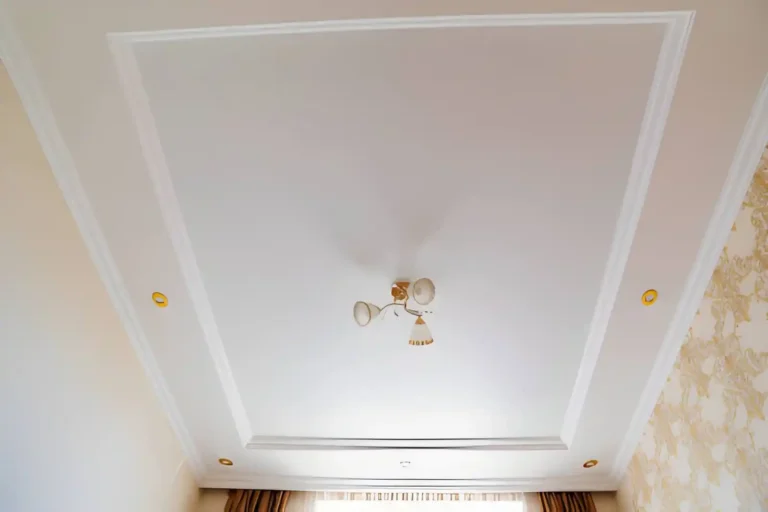
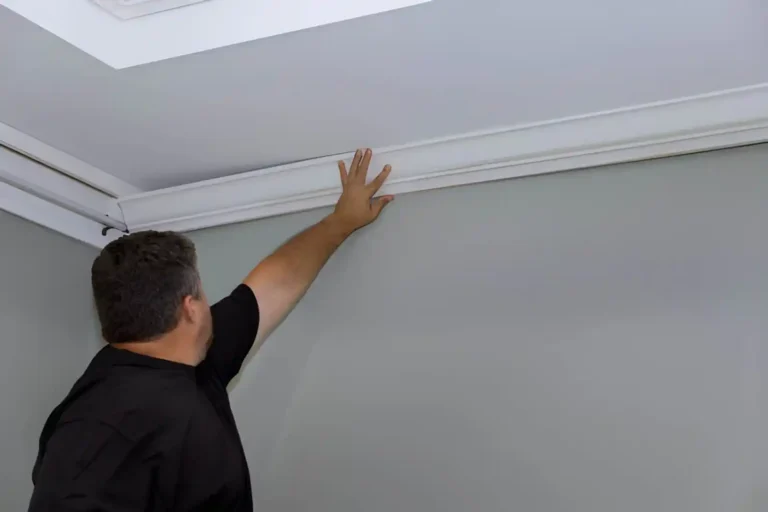
Coving is a type of moulding installed at the junction where walls meet ceilings. It typically has a concave (curved inward) profile, creating a smooth transition between vertical and horizontal surfaces.
Rather than a sharp 90-degree angle, coving introduces a gentle curve or decorative profile that softens the look of a room.
Purpose in Building Work
Coving is not just decorative—it serves several practical and aesthetic purposes in construction:
- Enhances visual appeal: Adds architectural detail and sophistication
- Creates a finished look: Makes rooms feel complete rather than plain
- Softens harsh angles: Eliminates sharp wall-to-ceiling transitions
- Covers imperfections: Hides cracks, uneven plastering, or minor gaps
For many homeowners, coving is the detail that transforms a basic room into a designer-inspired space.
Common Materials Used
Modern coving is available in a range of materials, each suited to different needs:
- Plaster: Traditional, heavy, and often used in period homes
- Polyurethane: Lightweight, durable, and moisture-resistant (popular choice)
- Polystyrene: Budget-friendly and easy to install
- MDF/Wood: Less common for ceilings but used in specific design styles
Today, polyurethane coving is particularly popular due to its combination of durability, ease of installation, and clean finish.
What Is Coving Work? (In Practical Terms)
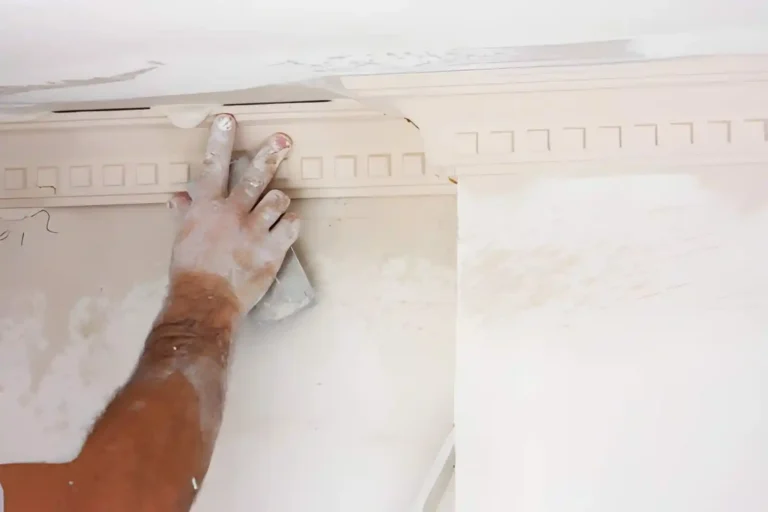
When professionals refer to “coving work,” they’re talking about the full process of installing coving within a space.
What Tradespeople Mean by “Coving Work”
Coving work typically includes:
- Measuring wall and ceiling dimensions
- Cutting coving at precise angles (usually 45° mitres)
- Preparing surfaces for adhesion
- Fixing coving using adhesive
- Filling joints and sanding for a seamless finish
- Painting or finishing
This process requires precision—especially at corners and joins—to achieve a clean, professional result.
Where Coving Is Installed
Coving can be used in nearly any interior space, including:
- Living rooms
- Kitchens
- Bedrooms
- Hallways
- Dining areas
- Offices and commercial interiors
In modern design, coving is no longer limited to traditional homes—it’s widely used in contemporary spaces as well.
Tools & Skills Required
Installing coving properly requires a mix of tools and craftsmanship:
- Mitre box or saw for angled cuts
- Adhesive applicators
- Fillers for joints
- Sanding tools
- Accurate measuring tools
While DIY installation is possible, achieving seamless joins often requires experience—especially for more intricate profiles.
What Is Coving Trim?
You may also hear the term “coving trim,” which can cause some confusion.
Difference Between Coving and Trim
- Coving: A specific type of moulding with a curved or shaped profile used at wall-ceiling junctions
- Trim: A broader category that includes skirting boards, architraves, and other decorative mouldings
In simple terms, all coving is trim—but not all trim is coving.
Types of Coving Trim Profiles
Coving comes in a wide range of styles to suit different interiors:
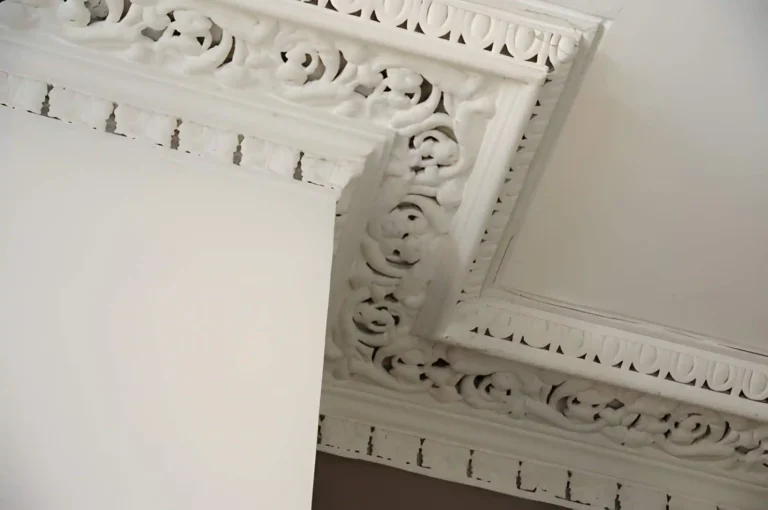
Classic Profiles
- Ornate and decorative
- Ideal for period homes or traditional interiors
Modern Profiles
- Clean lines and minimal detailing
- Perfect for contemporary homes
Step Profiles
- Geometric and angular
- Popular in new builds and minimalist spaces
LED Coving
- Designed to house indirect lighting
- Adds ambient illumination and a premium feel
Choosing the right profile is key to matching your home’s style and proportions.
Key Benefits of Coving in Construction
For Homeowners
For residential renovators, coving offers both visual and practical advantages:
- Creates a designer finish: Elevates even simple rooms
- Adds property value: Enhances perceived quality
- Versatile styling: Works in both modern and traditional homes
- Completes renovations: Provides that final “finished” touch
Many homeowners find that once coving is installed in one room, they want it throughout the entire house.
For Trade Professionals
Coving also delivers clear benefits for builders, designers, and contractors:
- Efficient installation: Lightweight materials reduce labour time
- Consistent results: Reliable profiles ensure predictable finishes
- Client satisfaction: Meets expectations for premium detailing
- Flexible applications: Suitable across multiple project types
Using high-quality coving can help professionals maintain reputation and deliver repeatable results.
Functional Benefits
Beyond aesthetics, coving also serves functional roles:
- Hides cracks and gaps caused by natural building movement
- Improves durability at wall-ceiling junctions
- Moisture-resistant options available for kitchens and bathrooms
- Reduces maintenance visibility over time
Modern materials significantly outperform traditional plaster in terms of longevity.
Where Coving Is Most Commonly Used Today
Traditional Homes
Coving has long been associated with period properties, where ornate designs complement:
- High ceilings
- Decorative features
- Classical architectural styles
It’s often used in restoration projects to maintain historical character.
Modern Homes
Contrary to popular belief, coving is widely used in contemporary interiors:
- Minimalist profiles for subtle detailing
- LED-integrated coving for indirect lighting
- Clean transitions in open-plan spaces
In modern design, less ornate coving helps create sleek, refined environments.
Commercial Spaces
Coving is also common in commercial settings:
- Hotels
- Offices
- Retail interiors
- Apartment developments
In these environments, durability and consistency are especially important—making modern materials a preferred choice.
Common Myths About Coving (Debunked)
“Coving Is Old-Fashioned”
While traditional coving is ornate, modern designs are sleek and minimal. Today’s profiles are specifically designed for contemporary homes.
“It’s Difficult to Install”
Modern coving materials like polyurethane are lightweight and user-friendly, making installation much easier than traditional plaster.
“It Cracks Easily”
Older plaster coving could crack over time. However, modern materials are flexible and resistant to shrinking or warping.
“Only for High-End Homes”
Coving is available at a wide range of price points. Budget-friendly options make it accessible for most renovation projects.
How to Choose the Right Coving
Selecting the right coving involves a few key considerations.
Based on Ceiling Height
- Low ceilings: Choose smaller, simpler profiles
- High ceilings: Larger, more decorative designs work well
Proportion is critical—oversized coving can overwhelm smaller rooms.
Based on Interior Style
- Modern homes: Clean, minimal profiles
- Traditional homes: Ornate, detailed coving
- Transitional spaces: Subtle decorative elements
Matching coving to your overall design ensures a cohesive look.
Based on Material
- Moisture-prone areas: Use polyurethane or similar materials
- DIY projects: Lightweight options are easier to handle
- High-end finishes: Denser materials provide sharper detailing
Material choice impacts both installation and long-term performance.
When Should You Install Coving?
Timing is important for achieving the best results.
Coving is typically installed:
- During renovation or construction phases
- Before final painting
- After major structural work is complete
Installing coving at the right stage ensures a seamless finish and avoids unnecessary rework.
What Is Coving in Construction – FAQs
Conclusion
Coving is a small detail that makes a big impact. In construction and building work, it serves both aesthetic and practical purposes—transforming plain spaces into refined interiors while covering imperfections and improving durability.
With modern materials and a wide variety of styles available, coving is no longer limited to traditional homes. It’s now a versatile design feature suitable for everything from minimalist apartments to high-end renovations.
Whether you’re a homeowner looking to elevate your space or a professional aiming to deliver consistent, high-quality results, coving remains one of the most effective finishing touches in interior design.
For a real-world example of the versatile ceiling cornice described above, see the GAUDI 1.50.158 cornice.