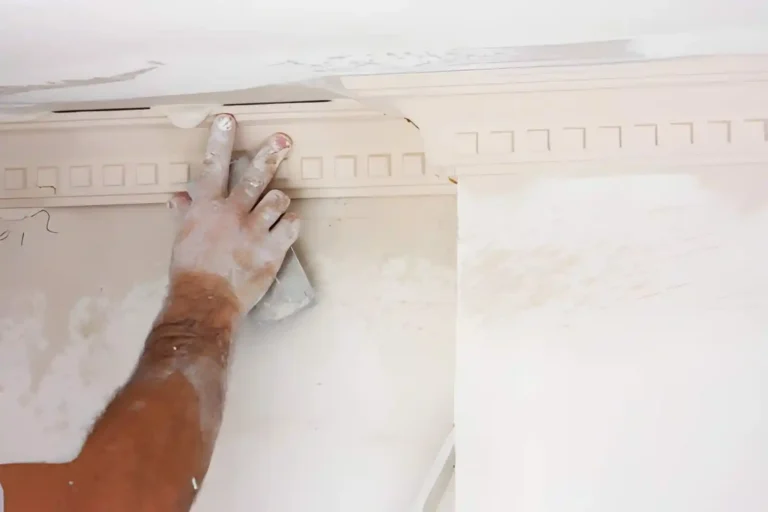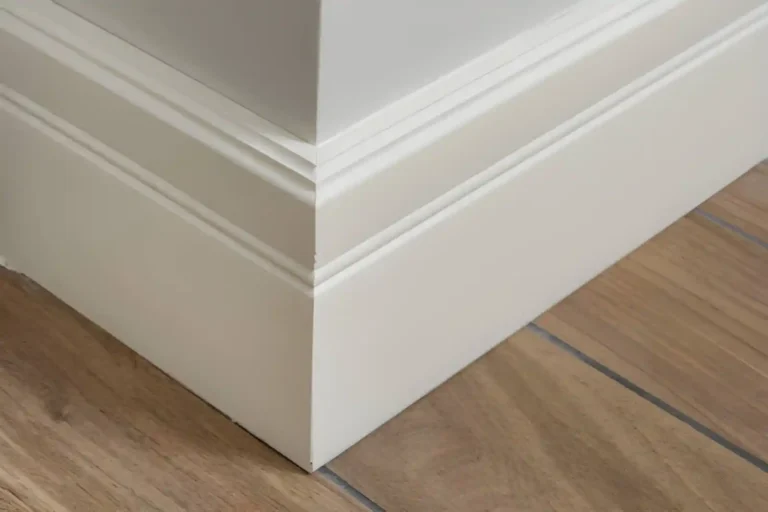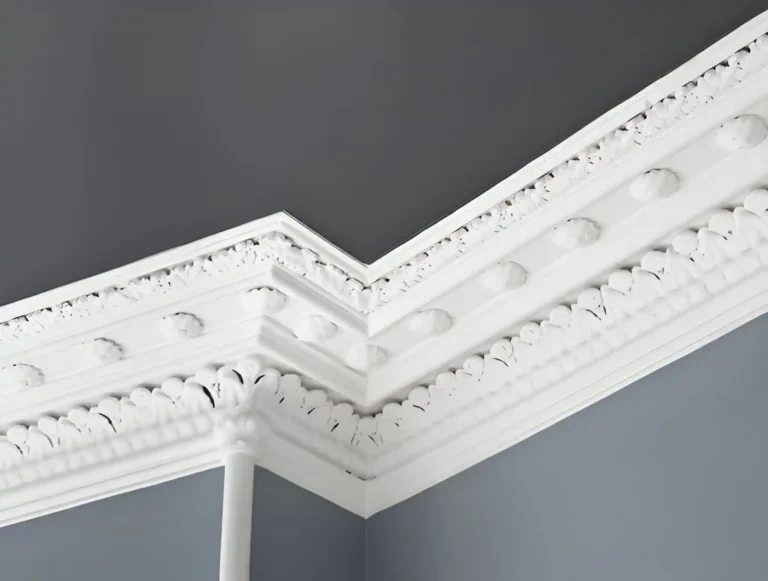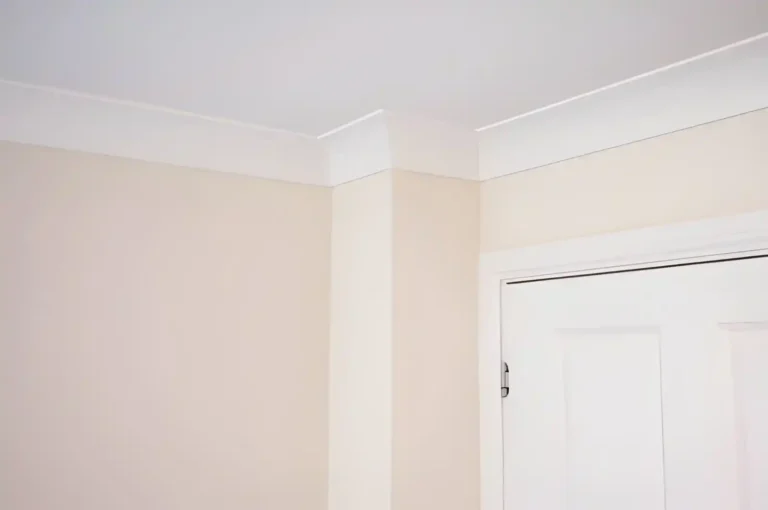

Interior design trends come and go, but architectural detail has always played a key role in creating balanced, refined spaces. One feature that’s often misunderstood is coving.
What is coving? Some see it as timeless; others assume it’s outdated. In reality, modern coving has evolved significantly—and when chosen correctly, it can transform a room without major renovation.
In this guide, we’ll explain what coving is, address common myths like “is ceiling coving old fashioned?” and “does coving make a room look smaller?”, and show how today’s European-inspired designs fit perfectly into contemporary Irish homes.
What Is Coving?
A Simple Definition
Coving is a decorative moulding installed where the wall meets the ceiling. Its primary purpose is to soften the sharp angle between these two surfaces, creating a smoother visual transition and adding subtle architectural interest to a room.
Traditionally, coving was associated with ornate plaster details. Today, however, it’s available in clean-lined, minimalist profiles that suit both modern and classic interiors.
What Does Coving Look Like?
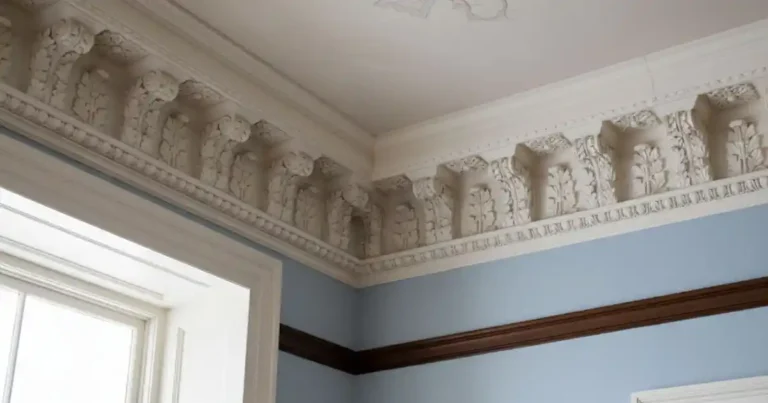
Coving typically has a curved or angled profile, designed to bridge the gap between wall and ceiling smoothly.
The most common shapes include:
- Concave curves – soft, classic profiles
- Step or geometric designs – popular in modern interiors
- Minimal flat profiles – clean and contemporary
- More detailed mouldings – used in traditional or period-style homes
Modern coving is far more restrained than older plaster styles. Instead of heavy ornamentation, today’s designs focus on:
- Clean lines
- Sharp edges
- Subtle shadow lines
This allows coving to blend seamlessly into modern interiors while still adding depth and structure.
Coving vs Cornice
While the terms are often used interchangeably:
- Coving usually refers to simpler, concave or minimal profiles
- Cornice often describes more decorative or detailed mouldings
Both serve the same function—enhancing proportion and finish—but the style you choose determines the overall look.
What Is Coving on a Ceiling?
Coving on a ceiling refers specifically to the moulding installed at the junction where the wall meets the ceiling surface. While all coving sits at this junction, the term “ceiling coving” is often used by homeowners searching for ways to improve ceiling transitions or enhance overhead design.
In practical terms, ceiling coving:
- Softens the hard 90-degree angle between wall and ceiling
- Creates a more refined, continuous finish
- Helps visually frame the ceiling area
Modern ceiling coving is typically subtle and streamlined, designed to complement contemporary interiors rather than dominate them. In many cases, it’s painted the same colour as the ceiling to create a seamless, elevated look.
What Is Coving in a Room?
Coving in a room refers to the decorative moulding that runs around the perimeter where the walls meet the ceiling. It acts as a finishing detail that ties the entire space together.
Rather than being a standalone feature, coving works as part of the room’s overall design. It enhances:
- Proportion between wall height and ceiling
- Visual flow around the space
- The sense of completeness in a finished interior
In living rooms and open-plan spaces, coving can subtly define the ceiling area without breaking continuity. In bedrooms and hallways, it adds a calm, considered finish that elevates even simple designs.
What Does Coving Do?
Coving serves both practical and aesthetic purposes, which is why it has remained relevant in interior design.
1. Softens Transitions
It removes the harsh visual break between wall and ceiling, creating a smoother and more natural transition.
2. Improves Proportion
Well-chosen coving helps balance the height and scale of a room, especially when matched correctly to ceiling height.
3. Enhances Visual Flow
By creating a continuous line around the room, coving improves how the eye moves through the space.
4. Adds Architectural Detail
Even minimal coving introduces a layer of refinement that plain wall-to-ceiling junctions lack.
5. Can Enhance Perceived Space
Contrary to common belief, slim coving can make ceilings feel higher by drawing the eye upward.
In short, coving isn’t just decorative—it’s a subtle design tool that improves how a room feels and functions visually.
What Is Coving in Construction?
In construction, coving refers to the finishing moulding installed at internal wall-to-ceiling junctions. It is considered part of the final fix or finishing stage of a build or renovation.
From a construction perspective, coving serves several roles:
- Finishing detail: Covers minor imperfections where walls and ceilings meet
- Design element: Enhances the architectural quality of a space
- Functional use (in some sectors): In commercial or hygiene-sensitive environments, coving can create smooth, cleanable transitions between surfaces
Modern construction increasingly uses lightweight materials such as polyurethane or duropolymer coving, which offer:
- Faster installation
- Greater durability
- Resistance to cracking and moisture
This makes coving suitable not only for traditional homes, but also for new builds, renovations, and commercial spaces.
A Brief History of Coving in Interior Design
European Origins
Coving has its roots in classical European architecture, where it was used to create harmony between walls and ceilings. In period homes, mouldings helped establish proportion, symmetry, and a sense of craftsmanship.
Why Coving Fell Out of Favour
In the late 20th century, coving gained a reputation for being “dated” due to:
- Heavy, over-decorative plaster profiles
- Poor installation and cracking
- A move toward stark minimalism
These issues weren’t caused by coving itself—but by outdated materials and design choices.
Is Ceiling Coving Old Fashioned?
The Short Answer: No
Ceiling coving is not old fashioned when it’s well-proportioned, simply styled, and properly installed. Modern interiors across Europe regularly use subtle coving to add depth without visual clutter.
How Modern Coving Has Evolved
Contemporary coving differs from older styles in key ways:
- Clean, restrained profiles
- Lightweight materials with crisp detail
- Seamless integration with modern paint finishes
- Compatibility with LED lighting and contemporary ceilings
This evolution has re-established coving as a design tool rather than a decorative relic.
Where Coving Is Used Today
- New-build homes
- Renovation and refurbishment projects
- Hotels, offices, retail, and hospitality interiors
Modern coving is about refinement—not decoration for decoration’s sake.
Does Coving Make a Room Look Smaller?
Why This Myth Exists
The idea that coving makes rooms feel smaller comes from examples where:
- The profile was too large for the ceiling height
- Heavy plaster mouldings dominated the space
- Dark colours were used incorrectly
In these cases, proportion—not coving itself—was the issue.
How Coving Can Make Rooms Feel Larger
When chosen correctly, coving can actually:
- Draw the eye upward
- Create a clear visual “frame” for the ceiling
- Improve flow between surfaces
- Add perceived height and structure
Slim, well-scaled profiles often enhance rather than reduce the sense of space.
Choosing the Right Coving for Ceiling Height
- Lower ceilings: Slim, understated coving
- Standard ceilings: Medium profiles for balance
- Higher ceilings: Deeper profiles for definition
Proportion is everything.
Modern Coving vs Traditional Plaster Coving
Limitations of Traditional Plaster
- Heavy and fragile
- Labour-intensive installation
- Prone to cracking
- Less suitable for moisture-prone rooms
Advantages of Modern Lightweight Coving
Modern mouldings—like those supplied by Gaudi Coving—offer:
- Sharp, consistent detail
- Moisture resistance
- Lightweight, easy handling
- Clean joints and paint-ready finishes
These qualities make them ideal for modern Irish homes, whether for DIY installation or professional projects.
Where Coving Works Best in Modern Irish Homes
Living Rooms & Open-Plan Spaces
Coving adds structure and polish, helping define large spaces without breaking visual flow.
Bedrooms & Hallways
Subtle coving brings a finished, considered look—especially effective in calm, neutral interiors.
Kitchens & Bathrooms
Moisture-resistant coving works well in practical spaces where plaster would struggle, maintaining a cohesive design throughout the home.
How to Choose the Right Coving Style
Match Coving to Your Interior
- Modern interiors: Clean, minimal profiles
- Transitional spaces: Soft curves with restraint
- Classic homes: More detailed profiles used sparingly
Colour Choices
- Painting coving the same colour as the ceiling creates height and cohesion
- White-on-white schemes highlight architectural detail without overpowering the room
Explore our full range of interior and exterior architectural elements, including coving, cornices, skirting boards, wall panelling, and more to complete your space with a cohesive, high-end finish.
Is Coving Worth It?
For many homeowners, coving offers one of the highest visual returns for relatively low cost and disruption. It:
- Elevates the overall finish
- Adds architectural character
- Works across both modern and traditional interiors
- Requires minimal maintenance
When well chosen, coving feels intentional—not decorative for decoration’s sake.
Frequently Asked Questions About Coving
Final Thoughts: Why Coving Is Still Relevant Today
Coving has never really gone out of style—it has simply evolved. With modern materials, cleaner profiles, and better installation methods, coving remains a powerful design tool for creating balanced, polished interiors.
Whether you’re renovating a single room or finishing an entire home, the right coving adds subtle sophistication that stands the test of time.
Ready to pick a style? See Types of Coving Explained for a breakdown of the best profiles for each home style.
The GAUDI 1.50.208 cornice is a good example of the versatile ceiling cornice discussed throughout this guide.