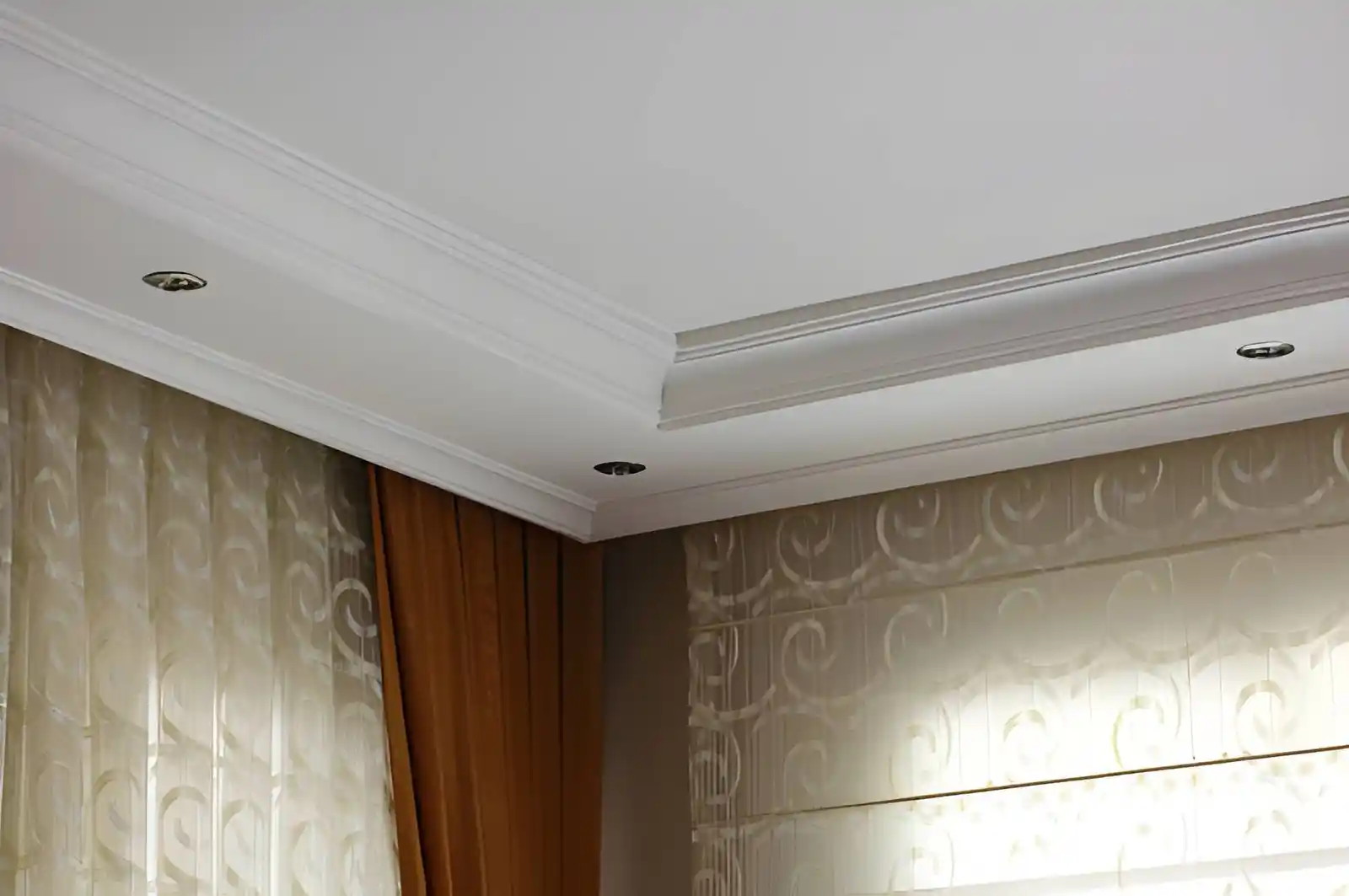
What size coving do I need? Choosing the wrong coving size is one of the most common — and costly — mistakes both homeowners and trade professionals make. Too small, and your room can feel unfinished. Too large, and it overwhelms the space, making ceilings appear lower or proportions feel off.
In Ireland, where homes range from compact new builds to elegant period properties, selecting the correct coving size isn’t just about aesthetics — it’s about balance, proportion, and long-term value.
This guide will help you confidently choose the right coving size for your space, whether you’re renovating a family home or specifying materials for a client project. We’ll also highlight why premium solutions like Gaudi Coving are becoming a go-to choice for both homeowners and trade professionals seeking durability, style, and ease of installation.
What Is Coving Size and Why It Matters
How coving dimensions are measured
Coving size is defined by two key measurements:
- Projection: How far the coving extends across the ceiling
- Drop: How far it extends down the wall
Together, these determine the visual presence of the coving in a room.
A common mistake is focusing on just one dimension. In reality, both projection and drop work together to create the final look. A coving with a large projection but shallow drop will feel very different from one with equal proportions.
The impact of coving size on room design
Coving plays a subtle but powerful role in interior design:
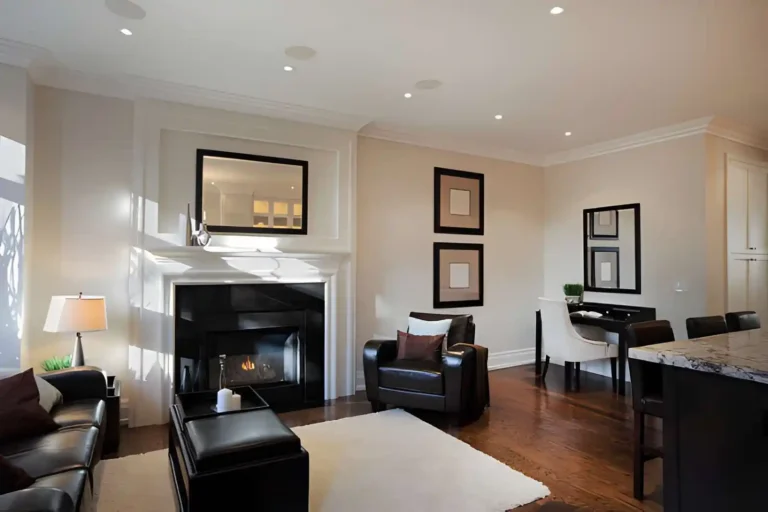
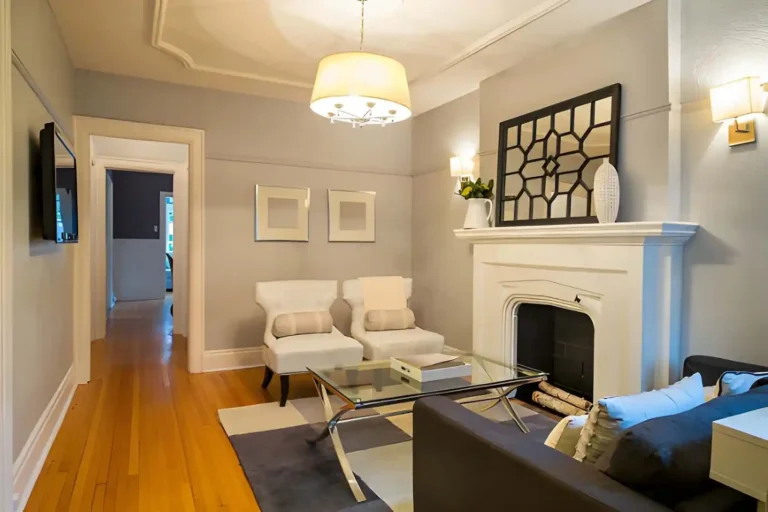
- Small coving (50–70mm): Creates a clean, understated finish
- Medium coving (80–120mm): Balanced and versatile
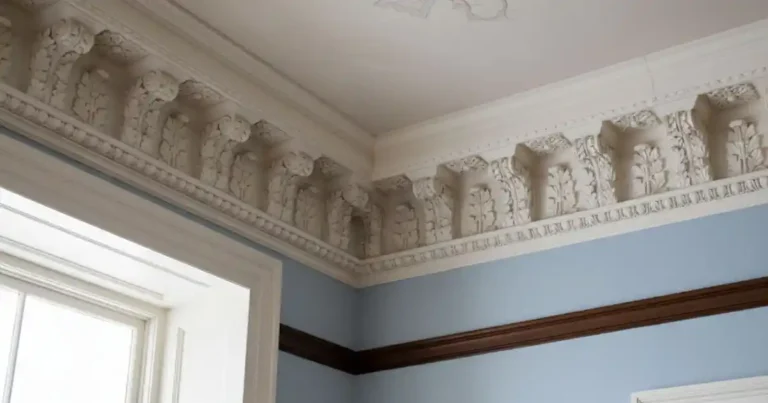
- Large coving (120mm+): Adds drama and architectural elegance
If your room feels “plain” or lacks character, coving size is often the missing piece. The right size can instantly elevate a space from basic to refined — a key desire among Irish homeowners investing in high-quality interiors.
Standard Coving Sizes in Ireland
In Ireland, coving sizes typically fall into three main categories:
- Small: 50mm – 70mm
- Medium: 80mm – 120mm
- Large: 120mm – 200mm+
Modern homes often lean toward smaller or medium profiles, while period properties benefit from larger, more decorative coving.
👉 See full breakdown in Standard coving sizes in Ireland explained
Understanding these standard ranges is essential, especially for trade professionals who need consistency across multiple projects and homeowners who want a cohesive finish throughout their property.
How to Choose the Right Coving Size for Your Room
Ceiling height guidelines
Your ceiling height is the most important factor:
- 2.4m ceilings (standard new builds)
Stick to 50–90mm coving to maintain proportion - 2.7m–3m ceilings (modern high-end homes)
90–120mm coving works well for a balanced, premium look - 3m+ ceilings (period properties)
120mm+ coving creates a statement and suits the scale
Choosing coving that’s too large for a low ceiling can make the room feel cramped — a common mistake in renovations.
Room size considerations
Room dimensions also play a crucial role:
- Small rooms
Opt for smaller coving to avoid visual clutter - Large or open-plan spaces
Larger coving helps define the space and adds presence
The goal is always proportional balance — not just filling space.
Style of your home
Your interior style should guide your choice:
- Contemporary homes
Clean, minimal coving profiles with smaller dimensions - Classic or period homes
Larger, more detailed designs — where Gaudi Coving excels
For designers and homeowners alike, this is where aesthetics meet practicality. The right profile enhances your architectural style without overpowering it.
Does Coving Size Affect How Big a Room Looks?
Can coving make a room look bigger?
Yes — when chosen correctly.
Smaller, well-proportioned coving can create a seamless transition between wall and ceiling, making a room feel more open. Light-coloured or paint-ready coving also helps reflect light, enhancing the effect.
For smaller Irish homes or extensions, this is a key design trick.
Does coving make ceilings look lower?
Oversized coving can visually lower a ceiling, especially in rooms under 2.5m.
This happens because large profiles draw attention to the ceiling line, compressing the perceived height.
👉 Learn more in Does coving make a room look bigger or smaller?
Understanding this balance is critical — especially for trade professionals managing client expectations and homeowners aiming for a “designer finish.”
Recommended Coving Sizes by Room Type
Living rooms
Living rooms benefit from flexibility:
- Lower ceilings → subtle coving (70–100mm)
- Higher ceilings → statement coving (120mm+)
This is often the focal room, so investing in premium profiles like the ones offered by Gaudi Coving can significantly elevate the space.
Kitchens & bathrooms
These spaces require practicality:
- Moderate sizes (70–100mm)
- Moisture-resistant materials are essential
This directly addresses a major homeowner concern in Ireland — preventing damage from humidity and condensation.
Bedrooms
Bedrooms should feel calm and balanced:
- Medium-sized coving (80–110mm)
- Avoid overly ornate or large profiles unless ceilings are high
The aim is subtle sophistication rather than bold statement.
Coving Size Guide Table (Quick Reference)
| Ceiling Height | Recommended Size | Style Suggestion |
|---|---|---|
| 2.2m – 2.4m | 50–80mm | Minimal / modern |
| 2.4m – 2.7m | 80–100mm | Balanced / transitional |
| 2.7m – 3m | 100–120mm | Elegant / refined |
| 3m+ | 120mm–200mm+ | Period / statement |
Common Coving Size Mistakes to Avoid
- Choosing coving that’s too small
Makes the room feel cheap or unfinished - Choosing coving that’s too large
Overwhelms the space and lowers perceived ceiling height - Ignoring ceiling height
The most critical factor in sizing - Overlooking installation complexity
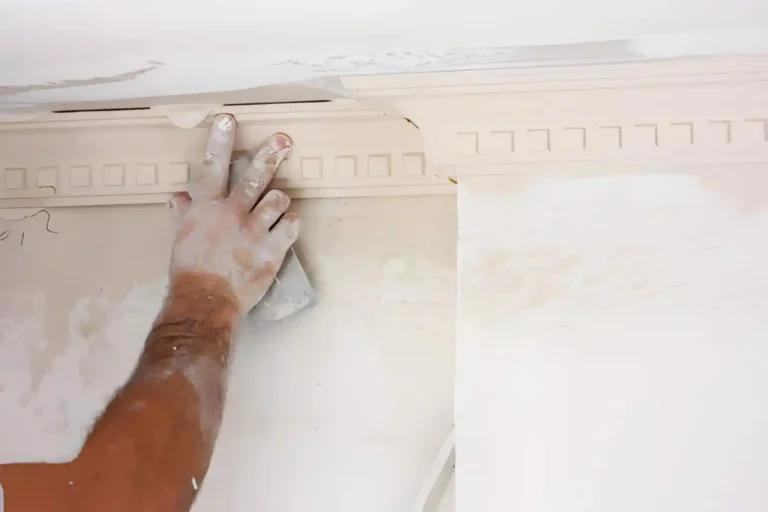
Larger, heavier materials can increase labour time and cost
For trade professionals, these mistakes can impact project timelines and client satisfaction — making correct sizing essential.
Why Material Matters as Much as Size
Choosing the right size is only half the equation — material matters just as much.
Lightweight polyurethane vs plaster
Modern coving materials offer significant advantages:
- Moisture resistance (ideal for Irish climate)
- No cracking or warping over time
- Lightweight and easy to install
These benefits directly address key concerns for both homeowners and trade professionals.
Why choose Gaudi Coving
Gaudi Coving stands out as a premium solution because it is:
- Trade-trusted for reliability and consistency
- Designer-approved for aesthetic quality
- Easy to install, reducing labour time
- Durable and moisture-resistant, ideal for long-term performance
For both renovation projects and professional installations, this combination delivers real value.
Should You Go Bigger or Smaller? (Expert Recommendation)
If you’re unsure, follow this simple rule:
When in doubt, go slightly larger — but stay proportional to ceiling height.
A safe “middle-ground” option for most Irish homes is:
- 80–100mm coving
It offers enough presence to elevate a room without overwhelming it.
For indecisive buyers or designers working on multiple rooms, starting with a medium size and adjusting per space is a practical strategy.
What Size Coving Do I Need? – FAQs
Conclusion: Choosing the Perfect Coving Size
Choosing the right coving size doesn’t need to be complicated — it simply comes down to proportion, ceiling height, and style.
Whether you’re upgrading a single room or completing a full renovation, the right coving can transform your space from plain to polished.
Start simple:
- Explore styles
- Order samples
- Test in one room before expanding
And when quality, durability, and design matter, Gaudi Coving offers a solution trusted by both homeowners and professionals across Ireland.
Explore Gaudi Coving profiles designed for Irish homes and bring your interior to life.
For a closer, room-by-room breakdown of sizing decisions, see What Size Coving Should You Use? Complete Room-by-Room Guide.
For a compact profile that suits smaller rooms and lower ceilings, see the GAUDI 1.50.115 cornice.