Coving vs cornice: what’s the difference? If you’re renovating or upgrading your home, you’ve likely come across the terms coving and cornice. While they’re often used interchangeably, they’re not the same thing—and choosing the right one can dramatically impact the final look of your space.
In simple terms, coving is a smooth, curved moulding that softens the transition between your wall and ceiling. A cornice, on the other hand, is typically more decorative and detailed, often used to create a bold architectural statement.
The confusion exists because both serve a similar functional purpose and are installed in the same location. However, their design, complexity, and overall effect differ significantly.
This guide is designed for:
- Homeowners planning renovations or upgrades
- Interior designers, builders, and tradespeople looking for clarity and specification guidance
By the end of this article, you’ll understand:
- The key differences between coving and cornice
- Which option suits your home style
- Cost and installation considerations
- How to make the best choice for Irish homes
What Is Coving?
Definition & Purpose
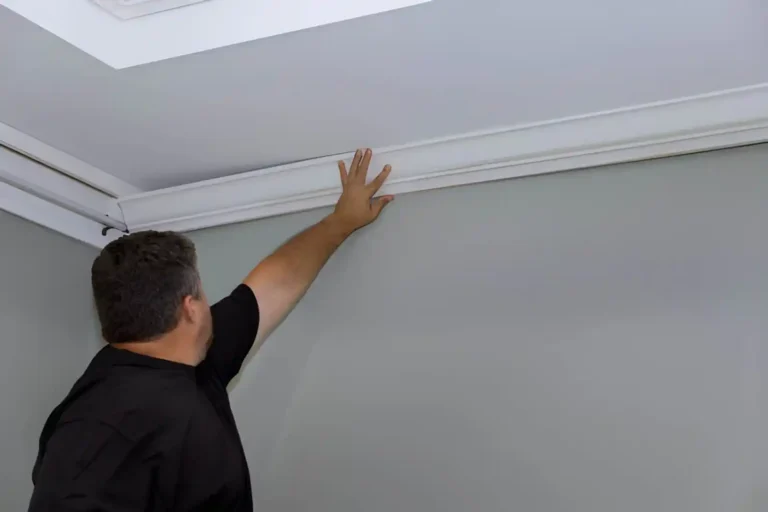
Coving is a concave, curved moulding installed where the wall meets the ceiling. Its main purpose is to create a smooth transition between surfaces, softening sharp angles and giving a room a more polished, finished appearance.
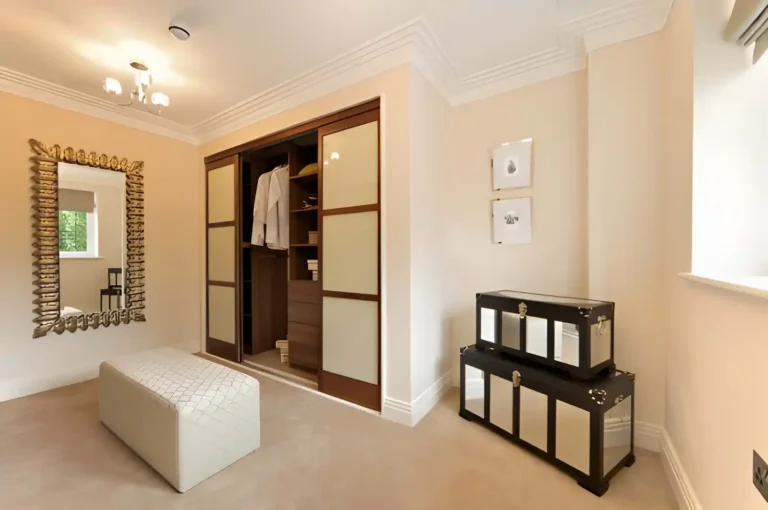
Unlike more decorative mouldings, coving is typically understated. It enhances a space without drawing too much attention to itself—making it ideal for modern interiors.
Common Materials
Coving is available in several materials, each suited to different needs and budgets:
- Polyurethane
Lightweight, highly durable, and moisture-resistant. Ideal for kitchens and bathrooms. - Polystyrene
A cost-effective option, often chosen for quick renovations or budget projects. - Plaster
Traditional and solid, but heavier and more prone to cracking over time.
Where Coving Works Best
Coving is particularly suited to:
- Modern homes and new builds
- Minimalist interiors where subtle detailing is preferred
- Kitchens and bathrooms, especially when using moisture-resistant materials
What Is a Cornice?
Definition & Purpose
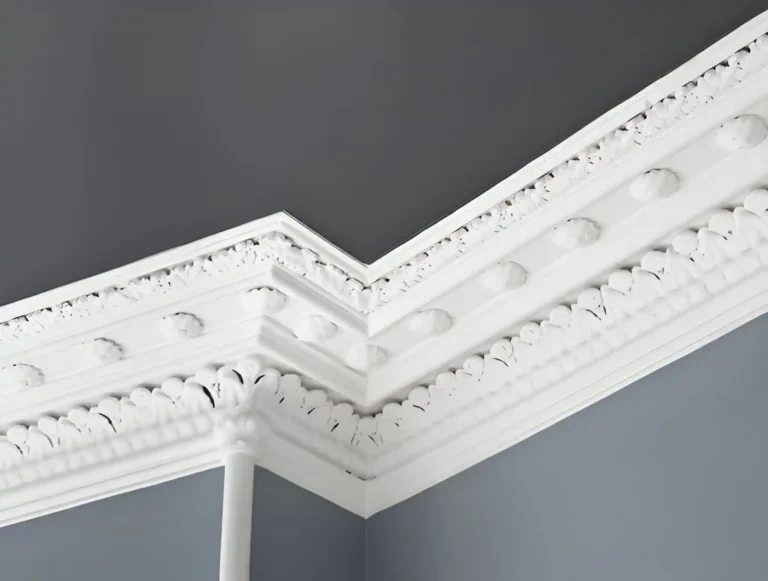
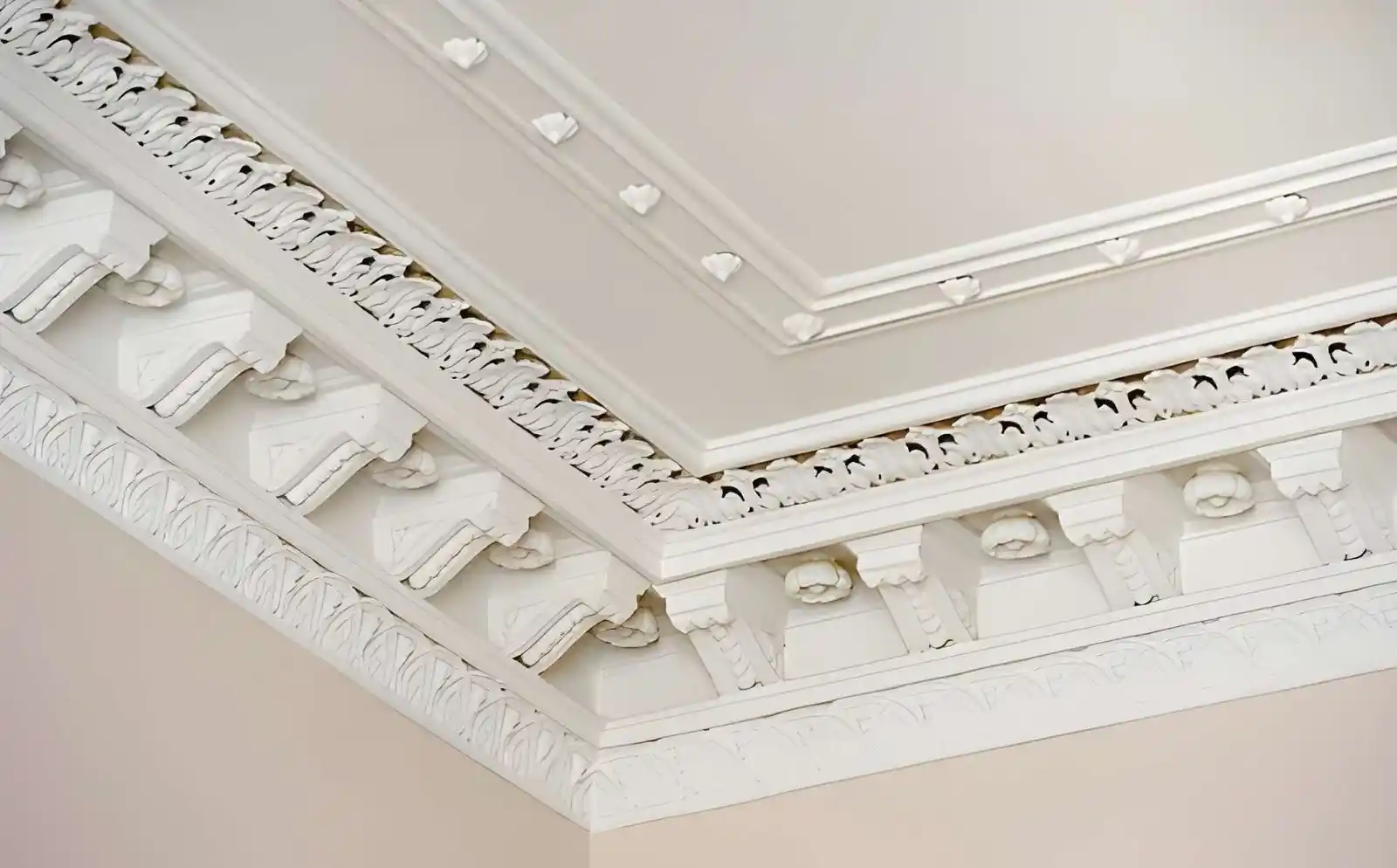
A cornice is a more ornate and decorative moulding installed at the wall-ceiling junction. Unlike coving, cornices often feature intricate patterns such as dentils, leaves, or layered profiles.
Their purpose goes beyond function—they are designed to make a visual statement and add architectural character.
Traditional vs Modern Cornices
- Traditional plaster cornices
Found in Georgian and Victorian homes, known for their craftsmanship and detail - Modern cornices
Made from lightweight materials like polyurethane, offering the same aesthetic with easier installation
Where Cornices Work Best
Cornices are ideal for:
- Period properties (Georgian, Victorian, Edwardian)
- Formal spaces like living rooms, dining rooms, and hallways
- Homes aiming for a luxury or classical finish
Coving vs Cornice: Key Differences Explained
Design & Style
The most obvious difference lies in appearance:
- Coving → simple, smooth, and minimal
- Cornice → detailed, decorative, and bold
If you want subtle elegance, coving is the better choice. If you’re aiming for visual impact, cornice is the way to go.
Installation Complexity
- Coving is generally DIY-friendly, especially lightweight options
- Cornice often requires professional installation, particularly ornate designs
This difference can significantly affect both cost and project timelines.
Cost Comparison
- Coving is typically more affordable
- Cornice is considered a premium feature due to its complexity and detail
However, modern materials have made decorative cornices more accessible than ever.
Maintenance & Durability
In Ireland, durability is a key consideration due to humidity:
- Moisture-resistant materials (like polyurethane) perform best
- High-quality products resist cracking, shrinking, and warping over time
How to Choose Between Coving and Cornice
Based on Your Home Style
- Modern builds → coving works best for clean lines
- Period homes → cornices complement traditional architecture
Based on Room Type
- Kitchens & bathrooms → opt for coving, especially moisture-resistant types
- Living rooms → either option can work depending on design goals
Based on Budget
- Entry-level projects → coving offers great value
- High-end finishes → cornices deliver more visual impact
Popular Styles in Ireland Right Now
Interior trends across Ireland are shifting toward a balance of modern simplicity and classic detail.
- Minimalist coving is popular in new builds and extensions
- Ornate cornices are making a comeback in period home renovations
- LED-integrated coving is growing in demand for contemporary interiors
Common Mistakes to Avoid
Choosing the wrong moulding can affect the entire feel of a room. Here are some common pitfalls:
- Mismatched styles
Installing ornate cornices in a minimalist home can feel out of place - Ignoring moisture resistance
Especially important in Irish kitchens and bathrooms - Poor installation
Leads to visible gaps, cracks, and long-term issues - Overly large designs in small rooms
Can make spaces feel cramped rather than elegant
Coving vs Other Mouldings (Related Guides)
If you’re planning a full interior upgrade, it’s important to understand how coving works with other elements:
- Learn the difference between coving and architrave and when to use each
- Discover should coving match skirting boards for a cohesive look
- Understand the difference between a cornice and a pelmet for window design
- Decide between coving or picture rail depending on your wall layout
These elements work together to create a cohesive, well-designed interior.
Why Material Choice Matters (Especially in Ireland)
Ireland’s climate presents unique challenges, particularly when it comes to moisture and temperature fluctuations.
Key Considerations
- Humidity can cause expansion and contraction
- Poor-quality materials may crack or warp over time
Why Polyurethane Stands Out
Polyurethane has become the go-to choice for both homeowners and trade professionals:
- Lightweight and easy to install
- Highly resistant to moisture and cracking
- Paint-ready for a clean finish
This makes it ideal for both renovations and new builds.
Installation: DIY or Trade Professional?
DIY Considerations
Coving can be a manageable DIY project if you have:
- Basic tools (saw, adhesive, measuring tools)
- Time and patience for accurate cuts
- A straightforward room layout
When to Hire a Professional
You should consider professional installation if:
- The room is large or has complex angles
- You’re installing ornate cornices
- Ceilings are high or difficult to access
For trade professionals, efficient installation and reliable materials are key to maintaining project timelines and client satisfaction.
Cost Guide for Irish Homeowners
Costs can vary depending on material, design, and installation.
Average Costs
- Coving: lower cost per metre
- Cornice: higher due to detail and labour
Installation Costs
- DIY saves money but requires time
- Professional installation ensures a premium finish
Long-Term Value
Well-chosen mouldings can:
- Enhance perceived property value
- Improve visual appeal
- Make spaces feel more complete and refined
Coving vs Cornice: What’s the Difference? – FAQs
Final Thoughts: Coving or Cornice?
Choosing between coving and cornice ultimately comes down to your style, budget, and the character of your home.
- Choose coving for simplicity, affordability, and ease of installation
- Choose cornice for character, detail, and a more luxurious finish
For Irish homeowners and trade professionals alike, the key factors remain:
- Durability in a moisture-prone climate
- Ease of installation
- Strong design impact
Get these right, and you’ll transform any room from plain to polished with a single architectural detail.
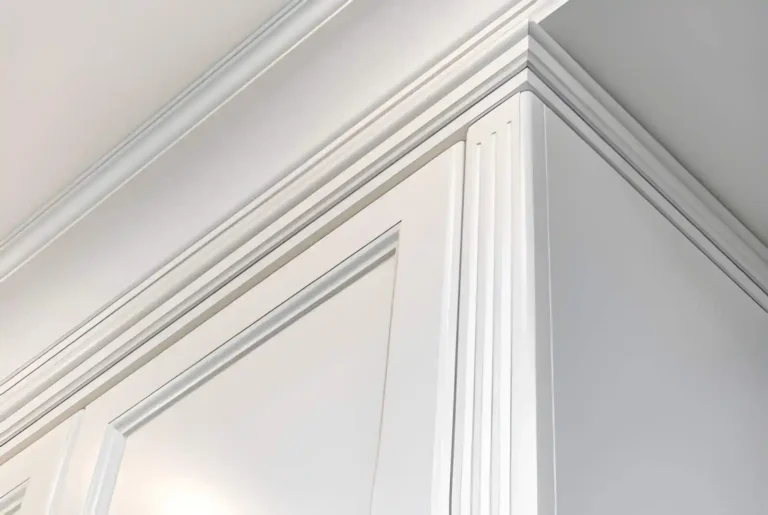
For a real-world example of the refined, versatile coving profile discussed above, see the GAUDI 1.50.261 cornice.