Coving vs picture rail: do you need both in your home? When planning interior finishes, details like coving and picture rails can make the difference between a room that feels complete and one that feels unfinished. Yet many homeowners and renovators aren’t entirely sure what each feature does—or whether they should use both.
Coving sits at the junction between your wall and ceiling, while a picture rail runs horizontally along the wall below. Both add character, but they serve different purposes. Understanding how they work together (or independently) is key to achieving that refined, “designer” look without unnecessary complexity.
Whether you’re updating a modern new build or restoring a period property, this guide will help you decide what works best for your space, style, and budget.
What Is Coving?
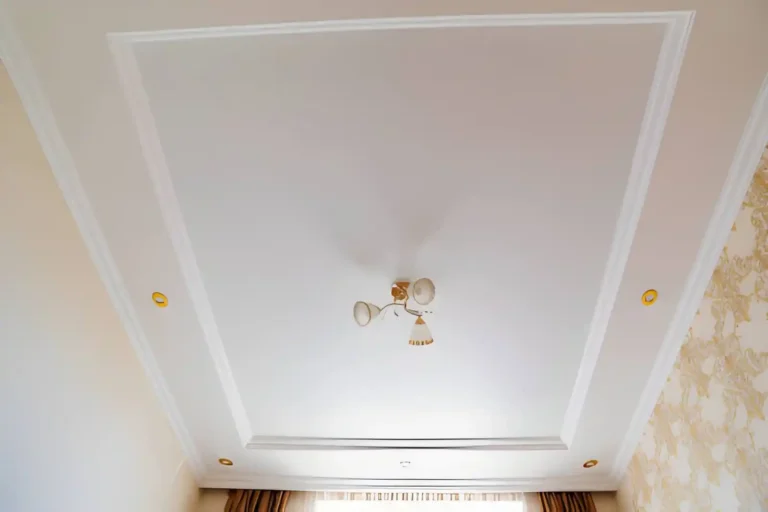
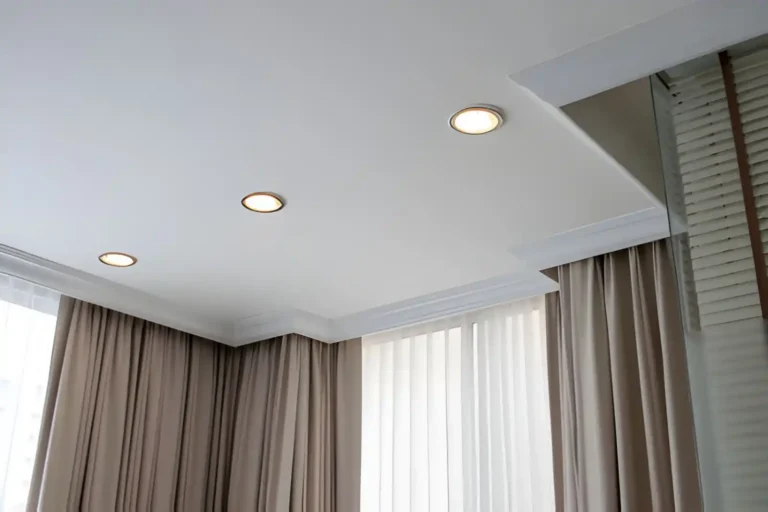
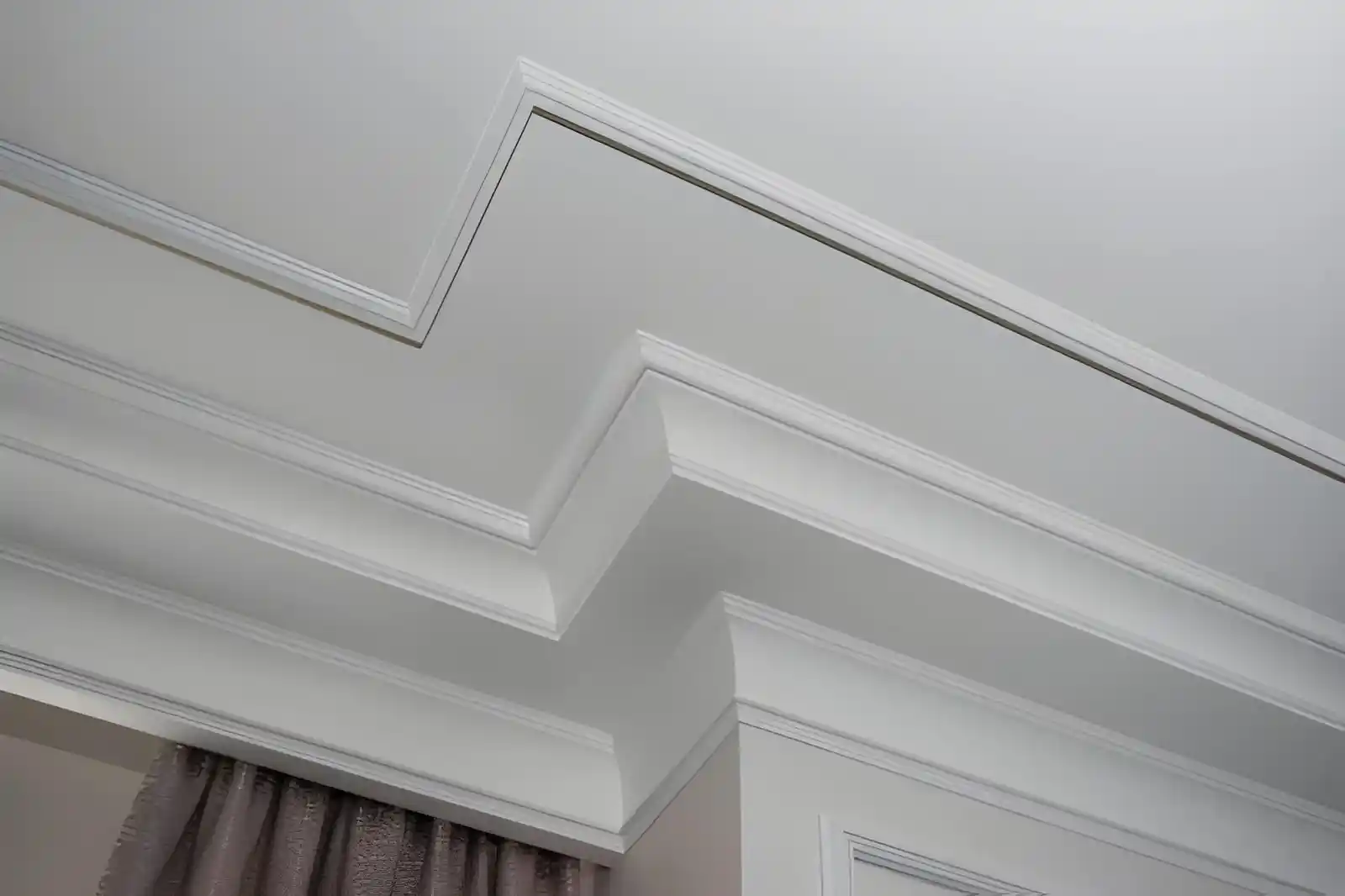
Coving is a decorative moulding installed where the wall meets the ceiling. Its primary role is to soften what would otherwise be a sharp, angular transition, creating a smoother and more visually appealing finish.
Traditionally made from plaster, modern coving is now commonly produced using lightweight materials such as polyurethane and polystyrene. These alternatives offer improved durability, moisture resistance, and ease of installation—key considerations for both homeowners and trade professionals.
Benefits of Coving
- Hides imperfections at wall-ceiling joints
- Enhances perceived ceiling height, especially with the right profile
- Works across styles, from contemporary to classical interiors
For a deeper comparison of styles and terminology, see our guide on coving vs cornice: what’s the difference?
If you’re looking for a premium solution, Gaudi coving offers a practical balance of design and performance. It’s lightweight, moisture-resistant, and comes paint-ready—making it particularly suitable for kitchens, bathrooms, and high-traffic areas. Its ease of installation also appeals to professionals aiming for efficient, repeatable results.
What Is a Picture Rail?
A picture rail is a horizontal moulding installed along the wall, typically 30–50cm below the ceiling. Historically, it was used to hang artwork using hooks and cords—eliminating the need to drill into walls.
Picture rails are most commonly associated with Georgian, Victorian, and Edwardian homes, where they formed part of a layered decorative scheme.
Modern Uses of Picture Rails
- Creating a visual break between upper and lower wall sections
- Allowing for two-tone paint schemes
- Adding period authenticity to renovated properties
Today, they are as much about aesthetics as function, helping to introduce character and structure into otherwise plain walls.
Key Differences Between Coving and Picture Rails
While both are decorative mouldings, coving and picture rails differ significantly in placement, function, and visual impact.
- Placement: Coving sits at the ceiling junction; picture rails are installed lower on the wall
- Function: Coving is primarily decorative, while picture rails originally served a practical hanging purpose
- Visual Impact: Coving creates a smooth transition; picture rails introduce horizontal definition
- Style Suitability: Coving suits both modern and traditional homes; picture rails are more common in period-style interiors
To better understand how coving compares with other interior elements, explore coving vs architrave: are they the same thing? and coving vs skirting boards: differences & when to use each.
Can You Use Coving and Picture Rails Together?
Yes—and in many cases, you should.
In traditional interiors, coving and picture rails are often used together to create a layered, architectural look. This combination adds depth and hierarchy to a room, elevating it beyond basic decoration.
Benefits of Using Both
- Creates a more refined, designer-style finish
- Adds visual interest and proportion
- Enhances the authenticity of period-style spaces
Best Use Cases
- Rooms with high ceilings
- Renovated period properties
- Feature areas like living rooms and hallways
When done correctly, the pairing feels intentional and cohesive rather than decorative overload.
When You Might Only Need Coving
In many modern homes, coving alone is more than enough.
Ideal Scenarios
- New builds and contemporary interiors
- Open-plan living spaces
- Minimalist design schemes
For homeowners, this approach offers a clean, polished finish without overcomplicating the design. For trade professionals, it ensures faster installation and fewer variables on-site—helping maintain efficiency and project timelines.
When a Picture Rail Makes More Sense
Picture rails are particularly valuable in homes where character and tradition are key.
Best Situations
- Period property restorations
- Rooms designed with a gallery-style aesthetic
- Spaces where you want to avoid wall damage from nails or screws
They can also be used creatively in modern interiors to introduce structure and visual layering.
Design Tips for Using Both Successfully
Get the Proportions Right
The size and placement of mouldings should match your ceiling height. Larger profiles work better in taller rooms, while smaller spaces require more subtle detailing.
Match Styles Carefully
Avoid mixing ultra-modern coving with highly ornate picture rails. Consistency is key to achieving a cohesive look. For more guidance, see cornice vs pelmet vs valance: which is which?
Choose the Right Materials
Opt for moisture-resistant, durable materials—especially in kitchens and bathrooms. Modern polyurethane options offer long-term reliability without the risk of cracking or warping.
Keep Installation Simple
Lightweight, easy-to-install systems reduce labour time and complexity. This is particularly important for professionals managing multiple projects and homeowners tackling DIY installations.
Common Mistakes to Avoid
- Overcrowding smaller rooms with too many decorative elements
- Mixing incompatible styles
- Installing picture rails at incorrect heights
- Choosing low-quality materials that crack, shrink, or warp over time
These issues not only affect the final appearance but can also lead to higher long-term costs—something both homeowners and trade professionals aim to avoid.
Cost & Installation Considerations
Coving is generally quicker and easier to install, especially with modern lightweight materials. This makes it a cost-effective option for most projects.
Picture rails, on the other hand, require more precise placement and alignment, which can increase labour time.
Key Considerations
- Homeowners: Balance cost with visual impact
- Trade professionals: Prioritise efficiency and repeatability
Investing in high-quality, easy-to-install products can help minimise both time and long-term maintenance issues.
Which Option Is Right for Your Home?
Choosing between coving, picture rails, or both depends on a few key factors:
- Home style: Modern vs period
- Ceiling height: Higher ceilings suit layered detailing
- Budget: Simpler solutions reduce costs
- Desired finish: Minimal vs decorative
Quick Summary
- Choose coving only for modern, clean interiors
- Choose picture rails for character and functionality
- Choose both for a layered, high-end finish
Coving vs Picture Rail: Do You Need Both in Your Home? – FAQs
Conclusion
Coving and picture rails serve different purposes, but they can work beautifully together when used thoughtfully. Rather than viewing them as an either-or choice, consider how each element contributes to your overall design.
For modern homes, coving alone often provides the perfect finishing touch. In period properties, combining both can create a richer, more authentic aesthetic.
If you’re aiming for a balance of style, durability, and ease of installation, exploring options like the Gaudi coving range is a smart starting point. Designed for performance and visual impact, it supports both homeowners and professionals in achieving a high-quality finish.
For more inspiration and guidance, explore our full range of moulding comparisons and design resources to plan your project with confidence.