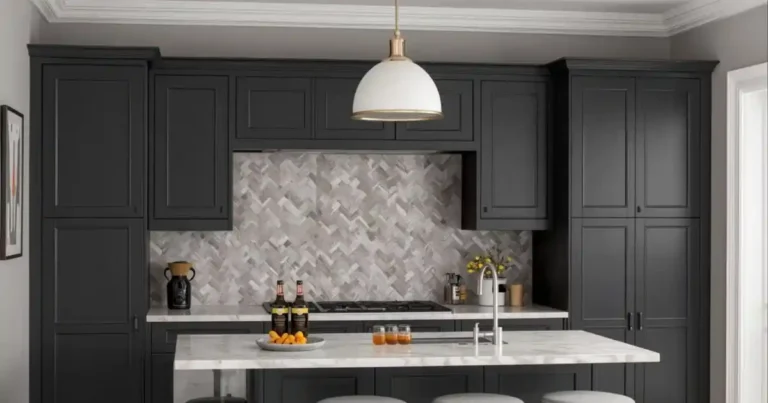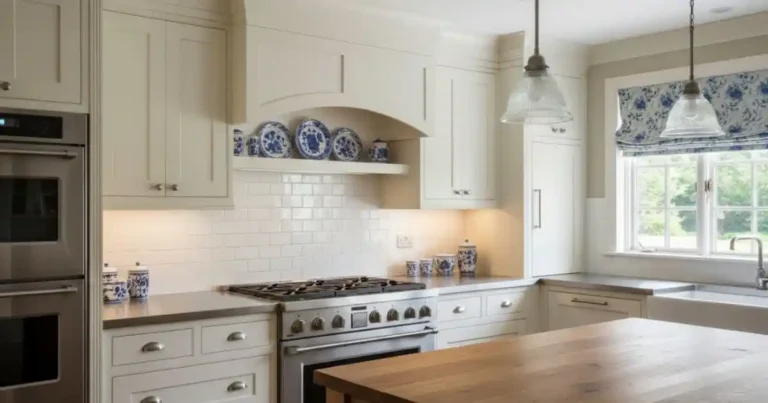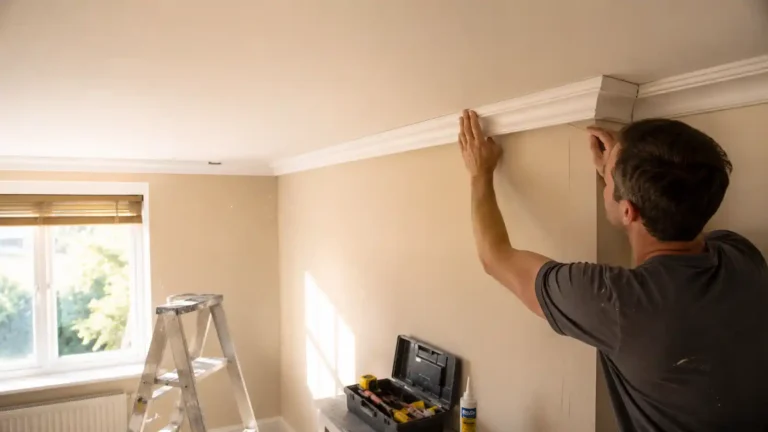

Choosing coving adds a touch of charm to your Irish home, so it’s essential to get the size right for each room. Measure ceiling height and room size first; in kitchens, opt for 100-150mm, while smaller spaces like bathrooms benefit from 75-100mm coving. Living rooms and bedrooms depend on space and style, with hallways often needing smaller coving to prevent a cramped feel. Explore more to discover how to perfectly match coving to every room’s character.
Key Takeaways
- Measure ceiling height and room size to determine appropriate coving dimensions for proportional balance.
- Living rooms benefit from lightweight materials and coving that matches architectural style and ceiling height.
- Kitchens require practical coving sizes (100mm-150mm) that balance aesthetics and functionality.
- Bathrooms need moisture-resistant materials and smaller coving (75-100mm) for compact spaces.
- Hallways use smaller coving to prevent cramped feelings, with deeper profiles for higher ceilings.
Understanding Coving Dimensions
When you’re choosing coving for your home, understanding its dimensions is essential for achieving the look you desire.
In Ireland, where each home tells a unique story, selecting the right coving can enhance your space’s charm. Imagine walking into a room where the coving materials and aesthetic impact harmonise with your surroundings, just like the rolling greens of Kerry or the bustling streets of Dublin.
You’ll want to reflect on the depth and width of your coving, ensuring it complements your ceilings and walls without overpowering them.
Whether you’re drawn to the subtle elegance of plaster or the crisp lines of polystyrene, the right choice will make your home feel like a warm embrace, inviting and uniquely yours.
Measuring Ceiling Height and Room Size
When you’re ready to spruce up your space with coving, start by measuring the ceiling height from floor to ceiling in your room, which is essential for selecting the right size.
Next, grab your tape measure and assess the room’s dimensions, including length and width; this will help you get the coving proportions just right.
Whether you’re in a cosy Galway cottage or a spacious Dublin townhouse, getting these measurements spot on guarantees your coving enhances the room beautifully.
Determining Ceiling Height
To confirm your coving fits perfectly, understanding your ceiling height is essential. Different ceiling styles can dramatically influence the height effects in your room. In cosy Irish cottages, low ceilings bring warmth, while higher ones in Georgian homes add grandeur. Grab your measuring tape and start from the floor, reaching up to the ceiling to confirm accuracy.
Here’s a handy guide for reference:
| Ceiling Style | Typical Height (metres) | Effect on Room |
|---|---|---|
| Cottage | 2.4 – 2.6 | Cosy and intimate |
| Victorian | 2.7 – 3.3 | Spacious and airy |
| Contemporary | 2.5 – 2.8 | Modern and sleek |
Knowing your ceiling height helps you select the right coving, creating a space that feels just right for family and friends to gather.
Assessing Room Dimensions
With your ceiling height sorted, it’s the perfect moment to tackle the overall room dimensions.
Grab a tape measure and jot down the length and width of your space in good old feet or metres. This step is like a stroll down Grafton Street — it helps you picture the room layout in your mind.
Consider the design themes you’ve got in mind, be it a cosy cottage feel or a sleek modern vibe. The room’s size will guide you in choosing coving that complements your vision.
In a snug Dublin terrace or a sprawling Galway home, understanding your room dimensions guarantees your coving choice fits like a glove. You’re one step closer to creating a space that truly feels like home.
Calculating Coving Proportion
Calculating the right coving proportion can elevate your room’s aesthetics beautifully. It’s like picking the perfect pint at your local pub, bringing that sense of harmony and belonging.
Start by measuring your ceiling height and room size. For a traditional Dublin home with high ceilings, opt for larger coving styles, reflecting classic design trends. If you’re in a cosy Galway cottage, smaller coving may suit the snug space better, adding a touch of charm.
Coving should be proportionate; too large, and it overwhelms, too small, and it vanishes. A good rule is to match the coving size to the room’s dimensions—larger rooms typically handle more substantial coving.
Selecting Coving for Living Rooms
When choosing coving for your living room, keep an eye on the ceiling height, as it can make or break the room’s appeal.
You’ll want to match the architectural style of your home, whether it’s a charming Georgian terrace in Dublin or a modern semi-detached in Cork.
Remember to maintain a proportional balance; too small and it’ll get lost, too large and it’ll overwhelm the space.
Ceiling Height Considerations
Though often overlooked, the height of your ceiling dramatically influences the type of coving you should choose for your living room.
In a cosy Dublin cottage with low ceilings, you might opt for smaller coving to maintain that intimate feel. On the other hand, if you’re lucky enough to have a grand Georgian home with lofty ceilings, larger coving can add a touch of elegance and drama.
Consider the coving materials; lightweight options like polystyrene can be easier for DIY installation techniques, especially if you’re keen to embrace a bit of hands-on craftsmanship.
Architectural Style Match
Selecting the right coving involves more than just measuring your ceiling height; it also demands an appreciation of your home’s architectural style.
In your living room, consider whether the coving styles align with the charm of your Georgian townhouse or the simplicity of a modern Dublin flat. The design compatibility is key, ensuring the coving adds to the room’s aesthetic rather than clashing with it.
Traditional homes may benefit from ornate coving that mirrors the intricate plasterwork seen in historic Irish homes, while a minimalist style might suit contemporary spaces.
Proportional Balance Maintenance
As you commence selecting coving for your living room, achieving proportional balance is essential to ensuring the space feels right.
In your cosy Dublin semi-detached or a sprawling countryside home, the coving’s size should complement both ceiling height and room dimensions. For a snug room with low ceilings, opt for smaller coving to maintain proportional aesthetics and avoid overwhelming the space.
Larger rooms with lofty ceilings can carry more substantial coving, creating visual harmony.
When you gather with friends and family, you want your living room to feel inviting.
Coving that complements the room’s scale enhances this sense of belonging. Visit local suppliers or browse Irish design forums for inspiration, ensuring your choice resonates with your home’s character and adds a touch of timeless elegance.
Choosing the Right Coving for Bedrooms
Ever wondered how to select the perfect coving for your bedroom? It’s all about marrying bedroom aesthetics with the charm of Irish cottages.
Start by pondering the room’s size and ceiling height. Larger bedrooms with high ceilings can handle more ornate designs, while smaller spaces benefit from simpler styles. Think of coving as a frame for your room, enhancing its character.
Colour coordination is also key. Match coving with your room’s hues for a seamless look. For instance, if your bedroom walls are a soothing Irish sea blue, choose a coving shade that complements it. This creates harmony and a sense of unity.
Don’t forget to ponder natural light; it affects how colours appear. With thoughtful choices, your bedroom can feel like home sweet home.
Best Coving Sizes for Kitchens
While bedrooms benefit from coving that frames their personal charm, kitchens call for a different approach. Here, you want coving that enhances kitchen aesthetics while offering practical functionality. Think about your Granny’s kitchen in Galway, where everything has its place. In kitchens, opt for coving that’s less ornate but still adds a touch of elegance. Ideal sizes hover around 100mm to 150mm, balancing beauty and efficiency. Larger coving can overwhelm, particularly if your kitchen’s on the snug side, like many Dublin flats.
| Coving Size | Kitchen Type |
|---|---|
| 100mm | Small/Rural Cottages |
| 120mm | Standard City Kitchens |
| 150mm | Spacious Country Homes |
Embrace this harmony, and your kitchen will feel as inviting as a warm cuppa on a rainy day.
Coving Recommendations for Dining Rooms
When considering coving for your dining room, you’ll want to think about the height of your ceilings—tall Georgian ceilings might call for more substantial coving, while something simpler could suit a cosy cottage.
It’s important to guarantee the coving style complements the design of your dining room, maintaining harmony with your existing decor.
Whether you’re hosting a Sunday roast or a family gathering, the right coving can add a touch of elegance to your meals.
Height and Ceiling Considerations
Taking into account the charm of a dining room, it’s essential to choose the right coving that complements both height and ceiling style.
In Ireland, where traditional and contemporary styles often blend, your choice of coving can greatly enhance the room’s warmth and character. Here are some tips to reflect upon:
- Coving Styles: Select a style that aligns with your ceiling height. Higher ceilings can accommodate ornate designs, while lower ceilings benefit from simpler styles.
- Installation Techniques: Confirm proper installation by consulting local experts who understand Irish homes’ unique characteristics.
- Ceiling Height: For higher ceilings, use larger coving to create a balanced look.
- Room Size: Larger dining rooms can support more elaborate coving, adding elegance without overpowering the space.
Choose wisely to make your dining room feel inviting.
Style and Design Harmony
To achieve style and design harmony in your dining room, it’s vital to match the coving with your room’s overall decor.
In Ireland, where gatherings are treasured, creating a space that feels cohesive and inviting is important. Pay attention to current design trends; consider sleek, modern coving for contemporary homes or ornate designs for traditional settings.
Colour harmony is key, so choose coving that complements your walls and furnishings. If your dining room boasts warm, earthy tones, opt for coving in soft creams or rich taupes. For cooler palettes, crisp whites or gentle greys work a treat.
Ideal Coving for Bathrooms
Although often overlooked, coving can transform the look of a bathroom, adding a touch of elegance and a seamless changeover between walls and ceiling.
When choosing coving for your bathroom, consider these key factors:
- Bathroom Styles: Choose coving that complements traditional or modern Irish bathroom styles, creating a cohesive look.
- Moisture Resistance: Opt for materials like polystyrene or polyurethane that withstand the damp conditions typical of bathrooms.
- Size Matters: Go for a smaller, more delicate coving, around 75-100mm, to suit the typically smaller spaces of Irish bathrooms.
- Installation Ease: Look for lightweight coving that’s easy to handle, perfect for a DIY project on a rainy day in Dublin.
With these tips, you’ll create a space that feels both stylish and homely.
Coving Considerations for Home Offices
When you’re setting up a home office in Ireland, don’t underestimate the impact of coving on the room’s ambience. Coving can seamlessly blend the ceiling and walls, creating a harmonious backdrop for your workspace.
Choosing the right size is essential for enhancing home office aesthetics and boosting workspace productivity. Opt for a medium-sized coving; it offers balance without overwhelming the room, especially if your ceilings are of standard height.
Incorporate a style that complements your office’s character, whether it’s a Georgian Dublin townhouse or a modern Cork apartment. The right coving adds an elegant touch, fostering a peaceful and inspiring environment.
How to Pick Coving for Hallways and Corridors
Ever wondered how the right coving can transform your hallways and corridors into inviting passageways? Choosing coving isn’t just about aesthetics; it’s about creating a space that feels like home.
Hallways in Irish homes often vary in size, so consider these tips:
- Measure Corridor Dimensions: Start by measuring the width and height of your corridor to guarantee the coving’s scale complements the space.
- Consider Hallway Aesthetics: Opt for coving that enhances the existing style, whether traditional or modern.
- Choose Appropriate Width: For narrow hallways, a smaller coving can make the space feel less cramped.
- Factor in Ceiling Height: Taller ceilings might suit deeper coving profiles, adding grandeur to the passageway.
With these steps, your corridors will become welcoming conduits through your home.
Customizing Coving for Unique Spaces
If you’ve ever felt that your space deserves something unique, customising coving could be the answer.
In Dublin’s charming Georgian homes or snug cottages, bespoke coving can add that personal flair. Embrace your creative spirit by choosing coving materials that resonate with you, whether it’s the classic elegance of plaster or the modern touch of polyurethane.
Custom designs allow your personality to shine through. Picture delicate Celtic patterns or perhaps a nod to Ireland’s rich history with intricate knotwork.
Don’t shy away from experimenting—your unique space is your canvas. By crafting a space that feels truly yours, you’ll foster a sense of belonging, making your home not just a place to live, but a part of your personal story.
Frequently Asked Questions
Conclusion
In choosing coving, you’ve discovered that each room requires its own touch, much like a painter choosing the perfect brush for each stroke. Whether it’s the grandeur of a high-ceilinged living room or the snug intimacy of a cosy bedroom, the right coving enhances your space, adding a touch of elegance like the gentle curves of the River Liffey through Dublin. Remember, your home’s character shines through in these details, so let your instinct guide you.
For a broader look at how ceiling height and room type affect sizing, see our companion guide What Size Coving Do I Need? If you’re after a versatile, mid-range profile that suits most room types, the GAUDI 1.50.105 cornice is a popular starting point.