Timber vs Polyurethane Cornice: Cutting Methods Compared
If you’ve searched how to cut timber cornice, you’re likely weighing up whether timber or modern lightweight cornice is the better option for your project. While both can look good…

Our Installation & Fitting Guides offer clear, step-by-step advice for fitting coving, cornice, architrave, skirting boards, and decorative mouldings in Irish homes and commercial projects. Designed for homeowners and trade professionals, these guides focus on achieving clean, professional results using durable, moisture-resistant materials.
You’ll find practical tips on mitre cutting, secure fixing, seamless joints, uneven walls or ceilings, and LED-ready installations. We also cover best practices for kitchens and bathrooms.
From first-time renovators to experienced builders, our expert guidance helps reduce errors, prevent cracking or warping, and ensure long-lasting, high-quality finishes.

If you’ve searched how to cut timber cornice, you’re likely weighing up whether timber or modern lightweight cornice is the better option for your project. While both can look good…
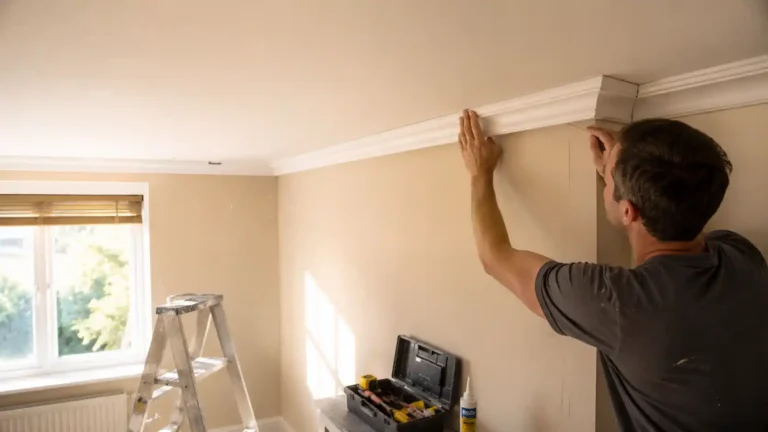
To fix coving to your ceiling DIY style, start by gathering essential tools like a tape measure, saw, and adhesive. Measure and mark out your ceiling for accurate placement. Cut the coving to size using…
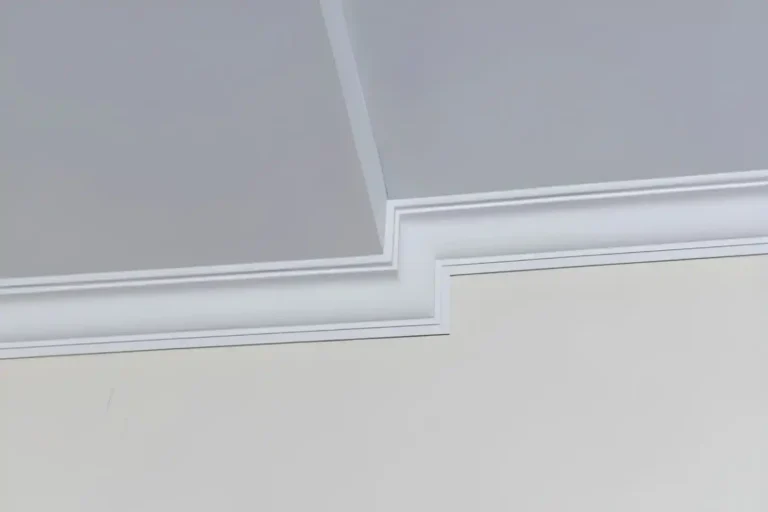
What is XPS coving? XPS coving, short for extruded polystyrene coving, is a modern ceiling moulding solution designed to deliver clean architectural detail without the weight, cost, or complexity of…
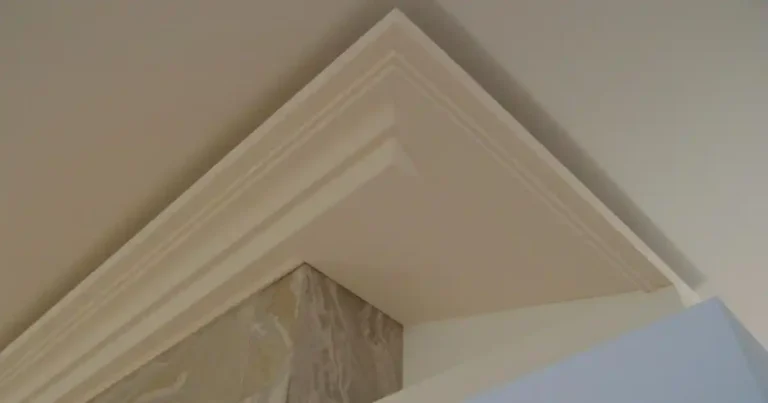
Getting mitre angles right is the hardest—and most visible—part of installing cornice. Straight runs forgive small errors; corners don’t. Whether you’re fitting cornice in a living room, hallway, or kitchen,…

Choosing coving adds a touch of charm to your Irish home, so it’s essential to get the size right for each room. Measure ceiling height and room size first; in kitchens, opt for 100-150mm,…

Cutting cornice flat using a mitre saw is the most reliable and repeatable method for achieving clean, professional joints—especially with modern lightweight mouldings. It’s the approach preferred by many trade…
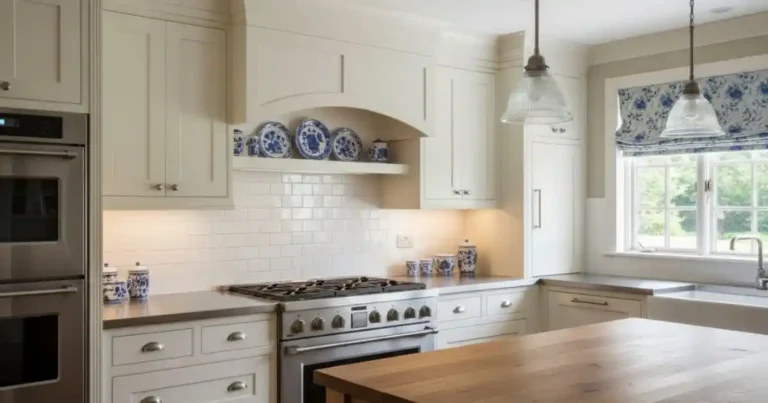
Cutting kitchen cornice accurately is one of the most important steps in achieving a clean, built-in finish. Kitchens are less forgiving than other rooms: runs are shorter, joins sit at…

Cutting cornice accurately is the difference between a professional-looking finish and visible gaps that undermine even the best interior design. Whether you’re a DIY-savvy homeowner or a trade professional, understanding…
What tools do you need to cut coving? “Coving is only as good as the cut.” It’s a simple truth—but one that many homeowners and even some professionals learn the…

How to remove old coving without damaging walls? Removing old coving is a common part of renovation projects—especially when updating dated interiors or repairing cracked mouldings. The challenge isn’t taking…
No products in the basket.