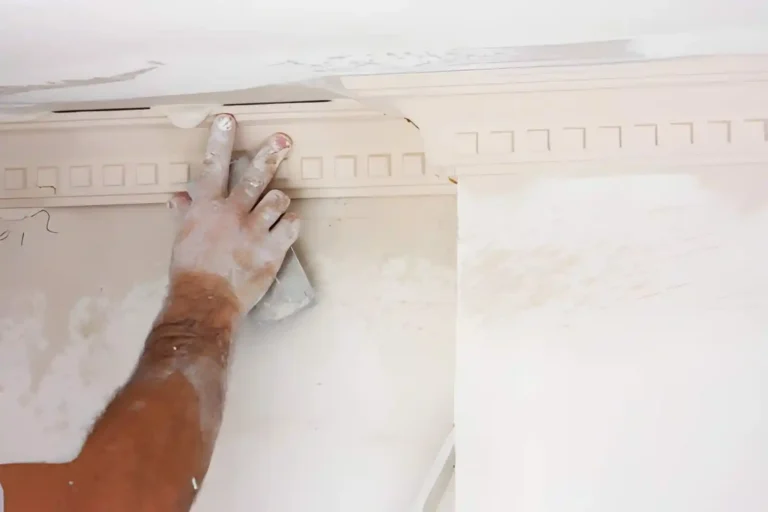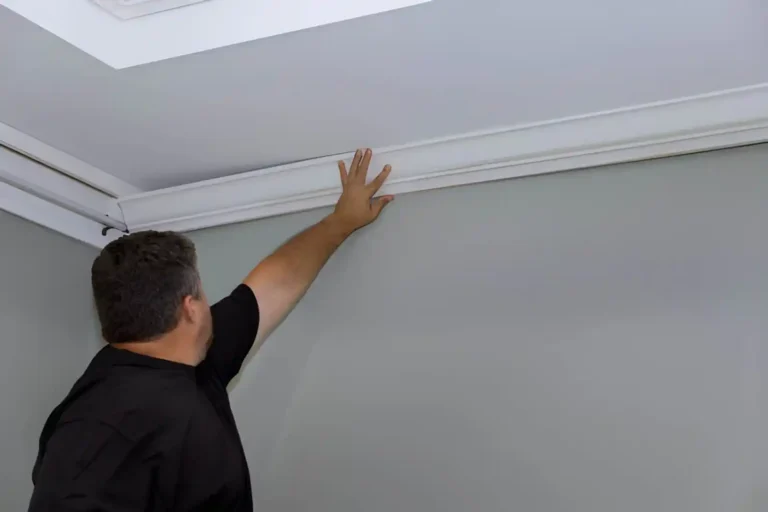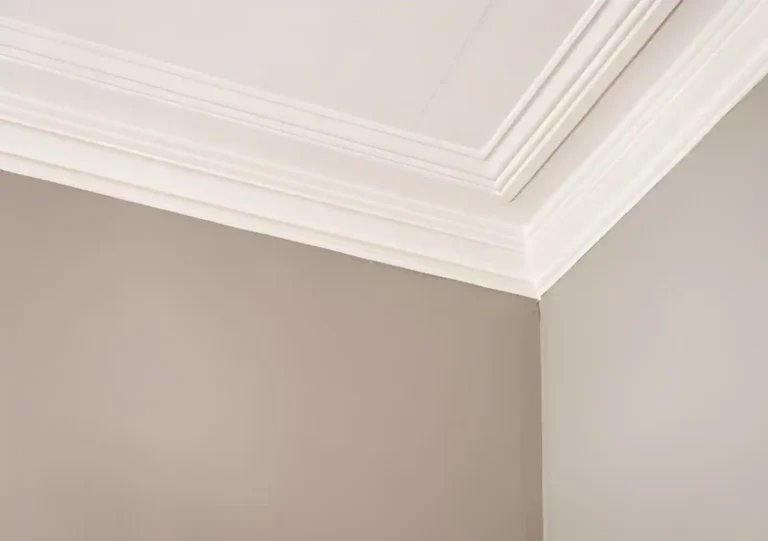
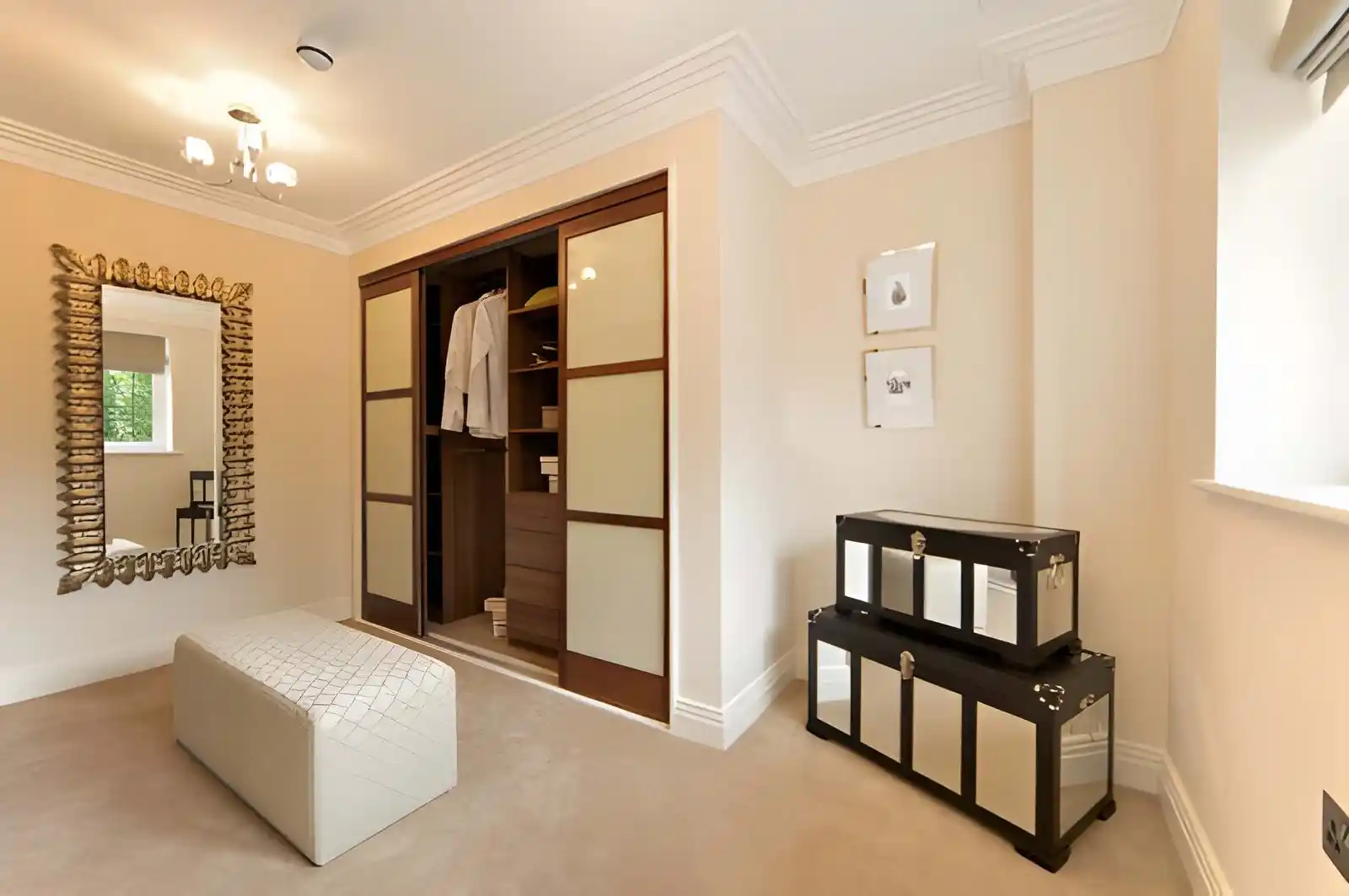
Do you put coving in bedrooms? When planning a bedroom renovation or redesign, one detail often gets overlooked: coving. Yet this subtle architectural feature can completely transform how a space feels. So, do you put coving in bedrooms?
The short answer is yes — in most cases, coving is a worthwhile addition. But like any design element, it depends on your room size, ceiling height, and overall style.
For homeowners and trade professionals alike, coving is one of the simplest ways to elevate a bedroom from plain to polished. It adds character, softens harsh angles, and creates that “finished” look many people struggle to achieve.
This guide will walk you through everything you need to know — from when to use coving to choosing the right style and material.
If you’re planning a full home upgrade, you may also want to explore “where to use coving in your home: room-by-room guide” for a complete overview.
Do Bedrooms Need Coving? (Short Answer + Design Context)
Technically, bedrooms don’t need coving. But in practice, many feel incomplete without it.
When Coving Makes a Big Difference
Coving has the most impact in:
- Plain or newly built rooms lacking architectural detail
- Modern homes that need a softer, more refined finish
- Renovation projects aiming for a high-end look
- Rooms with higher ceilings, where proportions benefit from added detail
In these scenarios, coving bridges the visual gap between wall and ceiling, making the room feel intentional rather than basic.
When You Might Skip Coving
There are cases where coving may not be necessary:
- Ultra-minimalist interiors with sharp, clean lines
- Very low ceilings (unless using slim profiles)
- Budget-first renovations where priorities lie elsewhere
However, even in these cases, modern slim or shadow-gap coving can still work effectively.
Benefits of Coving in Bedrooms
Creates a Finished, High-End Look
One of the biggest reasons homeowners choose coving is the visual upgrade. It creates a smooth transition between walls and ceilings, eliminating harsh angles.
This is especially valuable in Irish homes where achieving a “designer finish” is a growing priority.
Enhances Lighting (Especially LED Coving)
Modern coving can integrate LED lighting, producing a soft ambient glow. This is ideal for bedrooms, where harsh lighting is often undesirable.
LED coving:
- Adds a luxury hotel feel
- Improves mood and relaxation
- Works particularly well in contemporary interiors
Adds Property Value Appeal
Small details can make a big difference when it comes to property value. Coving signals quality and attention to detail — something buyers and developers notice immediately.
Hides Imperfections
Coving is also practical. It can conceal:
- Uneven plastering
- Ceiling cracks
- Poor joins between surfaces
This makes it particularly useful in renovation projects.
Best Types of Coving for Bedrooms
Choosing the right material is crucial — especially if you want durability and ease of installation.
Polyurethane Coving (Recommended)
This is the preferred option for both homeowners and trade professionals.
Benefits include:
- Lightweight and easy to install
- Highly durable (won’t crack or warp)
- Moisture-resistant
- Pre-primed and paint-ready
Brands like Gaudi Coving offer high-quality polyurethane profiles designed for both modern and traditional interiors.
Polystyrene Coving (Budget Option)
Polystyrene is popular for DIY projects because it’s affordable and easy to cut.
However:
- It dents easily
- Less durable over time
- Not ideal for premium finishes
If you’re comparing materials across rooms, see “can you put coving in a bathroom” for moisture-specific considerations.
Plaster Coving (Traditional Homes)
Plaster is the classic choice for period properties.
Pros:
- Authentic, high-end finish
- Ideal for ornate designs
Cons:
- Heavy
- Requires professional installation
- Higher cost
Choosing the Right Coving Style for Your Bedroom
One of the biggest challenges homeowners face is matching coving to their interior style.
Modern Bedrooms
For contemporary homes:
- Use clean, simple profiles
- Consider shadow-gap or LED coving
- Keep lines minimal
This aligns with current trends toward subtle architectural detailing.
Classic / Period Bedrooms
In older or traditional homes:
- Choose ornate cornices
- Go larger for higher ceilings
- Pair with ceiling roses for full effect
Small Bedrooms
In compact spaces:
- Stick to slim, simple coving
- Avoid heavy detailing
- Keep colours light
The goal is to enhance the room without overwhelming it.
Ceiling Height & Coving Size Guide
Getting proportions right is essential.
Low Ceilings (Under 2.4m)
- Use small profiles (50–80mm)
- Keeps the room feeling open
Standard Ceilings (2.4m–2.7m)
- Medium profiles (80–120mm)
- Balanced and versatile
High Ceilings (2.7m+)
- Larger profiles (120mm+)
- Adds drama and presence
Choosing the wrong size is one of the most common mistakes — too large can overwhelm, too small can go unnoticed.
Should You Put Coving in Every Bedroom?
Not necessarily — but in most cases, it’s worth considering.
Master Bedrooms
A strong yes. This is your main space, and coving enhances comfort and style.
Guest Bedrooms
Adds perceived quality and makes the space feel more welcoming.
Children’s Bedrooms
Optional — depends on design and budget.
Loft Conversions
Use lightweight or flexible coving for angled ceilings.
Installation Considerations (DIY vs Trade)
DIY-Friendly Options
If you’re installing coving yourself:
- Choose lightweight polyurethane or polystyrene
- Look for pre-primed products
- Use proper adhesive and cutting tools
When to Hire a Professional
Professional installation is recommended for:
- Large or high-ceiling rooms
- Ornate plaster coving
- Uneven walls or complex layouts
For more advanced setups, see “how to fit coving on a curved wall or bay window”.
Trade professionals often prefer reliable, easy-to-install materials to reduce labour time and ensure consistency.
Common Mistakes to Avoid
Avoid these pitfalls to get the best results:
- Choosing coving that’s too large for the room
- Mixing modern and traditional styles incorrectly
- Poor installation leading to visible gaps
- Using low-quality materials that crack over time
Investing in quality products and proper installation pays off long term.
Bedroom Coving Design Ideas
Minimalist Scandinavian Style
- Thin, clean coving
- Neutral tones
- Subtle and understated
Hotel-Style Luxury Bedroom
- Larger profiles
- Integrated LED lighting
- Soft, ambient glow
Period Home Restoration
- Ornate cornices
- Ceiling roses
- Classic detailing
For inspiration across other spaces, see “can you use coving in a kitchen”.
Do You Put Coving in Bedrooms? – FAQs
Final Thoughts: Is Bedroom Coving Worth It?
For most Irish homes, the answer is a clear yes.
Coving:
- Enhances visual appeal
- Adds architectural character
- Improves perceived property value
- Works in both modern and traditional settings
Whether you’re a homeowner upgrading a single room or a trade professional managing multiple projects, choosing durable, easy-to-install materials is key.
If you want a balance of style, reliability, and ease of installation, options from Gaudi Coving are designed to meet both design and practical needs.