
Cornice problems often appear at the worst possible moment—halfway through a renovation, after ceilings are opened up, or once new lighting is installed. Cracks, missing sections, or failing plasterwork can quickly turn a straightforward project into a difficult decision: should you repair what’s there, or replace it entirely?
This guide is the primary authority page for cornice repair, restoration, and replacement. It’s written to help homeowners, renovators, and professionals make confident, realistic decisions—balancing character, cost, and long-term performance.
Before planning repairs, confirm the material and age with our guide to identifying old plaster cornice in period homes.
When Cornice Problems Appear During Renovation
Cornice is frequently damaged during renovation work, especially when:
- Ceilings are removed or reboarded
- Walls are replastered or skimmed
- Electrical rewiring or lighting upgrades are carried out
In Irish homes—particularly older properties—cornice may already be fragile before work begins. Settlement, moisture, and decades of paint layers all take their toll.
The key reassurance: many cornice issues are either repairable or replaceable without losing the character of the space. The challenge is knowing which route makes sense.
Common Types of Cornice Damage
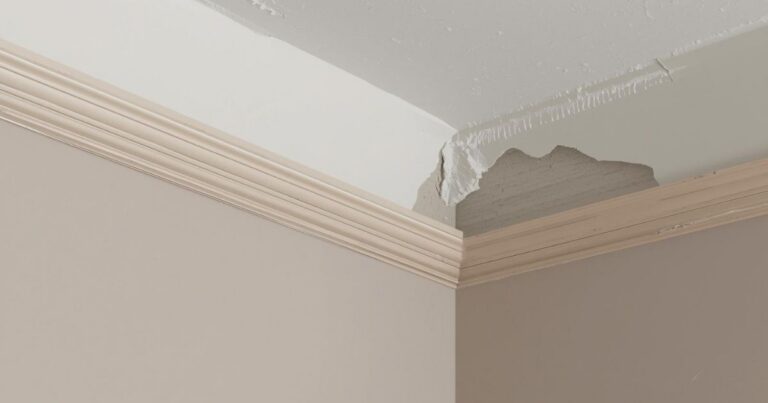
Hairline Cracks
Hairline cracks are the most common issue.
- Often caused by natural settlement or seasonal movement
- Usually cosmetic rather than structural
- May reappear if underlying movement continues
Understanding whether a crack is purely surface-level or a sign of deeper failure is essential.
Broken or Chipped Sections
This typically happens due to:
- Impact damage
- Accidental removal during renovations
- Old plaster becoming brittle over time
Small chips can often be repaired; larger breaks are more problematic.
Loose or Sagging Cornice
Loose cornice is a warning sign.
Common causes include:
- Adhesive or mechanical fixing failure
- Old installation methods no longer holding
- Weight of plaster pulling away over time
This type of issue often requires more than cosmetic repair.
Missing Cornice Sections
In many homes, cornice has been:
- Removed during earlier renovations
- Cut away for cabinets or services
- Lost when ceilings were lowered
The biggest challenge here is matching the original profile, which is rarely straightforward.
Repair vs Replace: How to Decide
This is the most important decision point.
When Repair Makes Sense
- Minor hairline cracks
- Small, localised chips
- Cornice that is otherwise secure and well-installed
Repairs can be discreet and cost-effective in these cases.
When Replacement Is the Better Option
- Extensive cracking throughout the room
- Poor original installation
- Loose or sagging plaster
- Missing or unmatchable sections
In these scenarios, repair may cost more long-term than replacement—and still look compromised.
Cost, Time & Finish Comparison
- Repair: lower upfront cost, higher risk of visible joins or future cracking
- Replacement: higher upfront cost, cleaner finish, lower maintenance
Replacement often delivers better value when problems are widespread.
Repairing Cracked or Damaged Cornice (Overview)
Realistically:
- Hairline cracks and small chips can often be repaired
- Large breaks, sagging sections, or repeated cracking rarely disappear permanently
Some repairs will always remain faintly visible—especially under certain lighting. Many long-term failures happen because surface repairs don’t address underlying movement.
Identifying Old Plaster Cornice in Period Homes
Before deciding on repair or replacement, it’s important to identify what you’re dealing with.
- Traditional plaster cornice is common in Victorian, Edwardian, and early 20th-century homes
- It is heavier, more brittle, and more absorbent than modern materials
- It reacts poorly to movement and moisture
Understanding the age and material explains why some cornice fails repeatedly.
Repairing vs Replacing Plaster Cornice
Challenges of Plaster Repair
- Weight: places ongoing stress on fixings
- Brittleness: cracks easily during repair
- Matching profiles: often impossible without custom moulds
Even skilled repairs can remain visible.
Benefits of Modern Lightweight Alternatives
Modern cornice offers:
- Easier handling and installation
- Consistent, repeatable profiles
- Paint-ready finishes
- Reduced risk of future cracking
This is why many renovation projects now opt for replacement using lightweight mouldings from Gaudi Coving, which allow sympathetic updates without sacrificing proportion or detail.
When Sympathetic Replacement Makes Sense
- When original plaster is failing across the room
- When profiles can’t be matched
- When long-term durability matters more than material authenticity
Replacement doesn’t have to mean compromise—it can mean stability.
Renovation Sequencing: Plastering & Cornice
Sequence errors are a common cause of failure.
Key principles:
- Major plastering should be completed before cornice installation
- Cornice should never be fitted to unstable or unfinished surfaces
- Painting comes last
Mistimed installation leads to cracks and visible gaps.
Can Old Cornice Be Matched?
In most cases, exact matches are unrealistic.
Why:
- Profiles were often handmade
- Paint build-up has altered original shapes
- Moulds are long gone
Visual Strategies That Work Better
- Replace cornice across the entire room
- Choose a profile that respects original proportions
- Keep colour and finish consistent
Partial matches often draw more attention than full replacement.
DIY vs Professional Cornice Repair
DIY-Friendly Repairs
- Hairline cracks
- Small chips
- Paint-only cosmetic fixes
These are manageable with care and realistic expectations.
When Professional Help Is Advisable
- Structural damage
- Large missing sections
- Period plasterwork
- Repeated failure after previous repairs
Knowing when to stop DIY attempts saves time and money.
Frequently Asked Questions About Cornice Repair
Final Thoughts: Repair Where Possible, Replace Where Sensible
Not all cornice is worth saving. While original features can be valuable, nostalgia shouldn’t override practicality. Poor repairs, repeated cracking, and visible patches often detract more than a thoughtful replacement.
Modern alternatives reduce maintenance, simplify installation, and deliver consistent results—especially in renovation-heavy Irish homes. The best outcomes come from honest assessment, not automatic preservation.
Whether repairing or replacing, the goal is the same: a clean, stable, professional finish that respects the character of the space while performing reliably for years to come.