
Coving vs architrave: what’s the difference? If you’re planning a renovation or upgrading your interior finishes, you’ve probably come across the terms coving and architrave. They’re both types of decorative moulding—but are they actually the same thing?
Short answer: no, they serve completely different purposes.
Understanding the difference between coving and architrave can help you make better design decisions, avoid costly mistakes, and achieve that polished, “designer” finish many homeowners and professionals are aiming for.
Quick Answer: Coving vs Architrave Explained
- Coving is a decorative moulding installed where the wall meets the ceiling.
- Architrave is a trim used around doors and windows.
One-Line Difference
- Coving = ceiling junction feature
- Architrave = door/window frame trim
Quick Comparison Table
| Feature | Coving | Architrave |
|---|---|---|
| Location | Wall-ceiling junction | Around doors & windows |
| Purpose | Decorative, softens edges | Frames openings, protects edges |
| Visual Impact | Enhances entire room | Defines structural features |
| Installation | Overhead, angled cuts required | Straight cuts, precision needed |
| Typical Use | Living rooms, bedrooms | Doorways, windows |
What Is Coving?
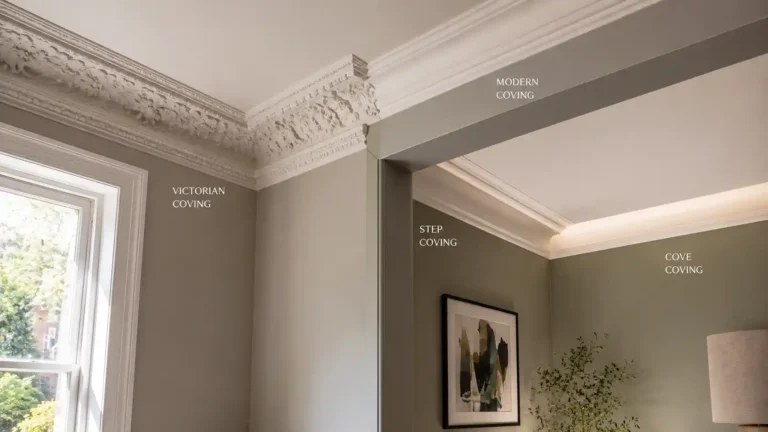
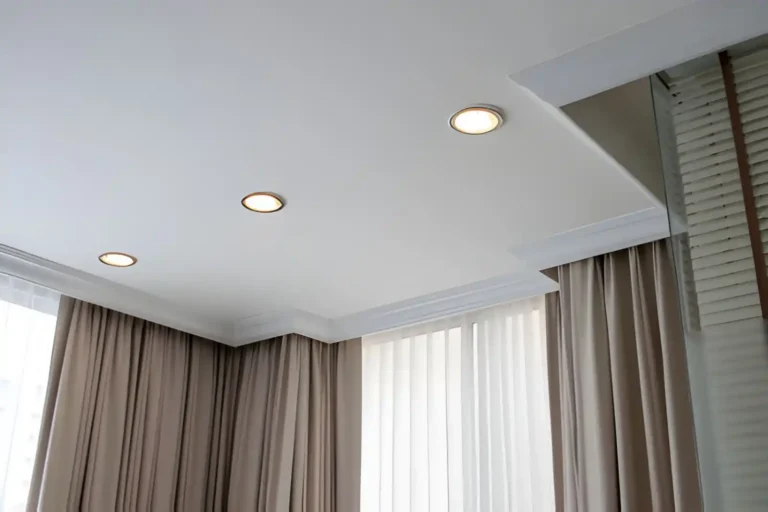
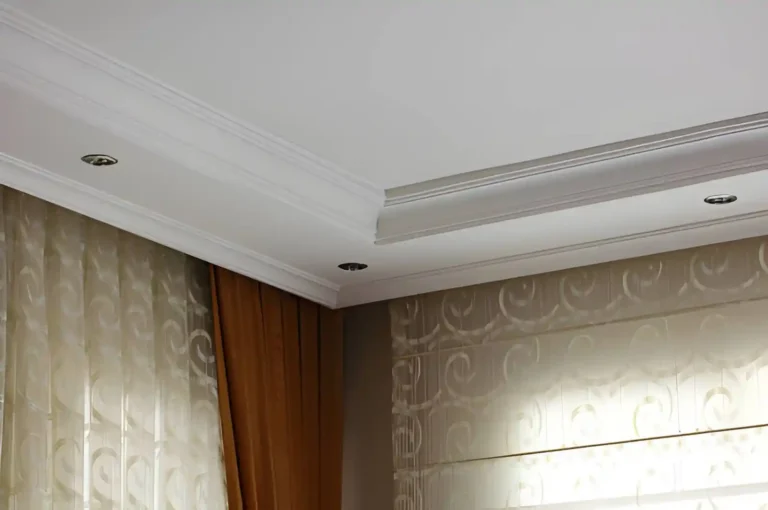
Coving is a type of moulding installed at the junction between walls and ceilings. Its primary role is to create a smooth transition between these two surfaces, softening what would otherwise be a sharp, harsh angle.
Why Use Coving?
Coving offers both functional and aesthetic benefits:
- Softens harsh angles between walls and ceilings
- Adds architectural detail to otherwise plain rooms
- Enhances perceived ceiling height and space
- Creates a more finished, high-end look
For homeowners aiming for a refined interior, coving is often one of the most impactful upgrades.
Materials Overview
Coving is available in several materials:
- Plaster – traditional but heavy and prone to cracking
- Polystyrene – budget-friendly but less durable
- Polyurethane – lightweight, moisture-resistant, and long-lasting
Modern renovations increasingly favour polyurethane due to its durability and ease of installation—especially important for both homeowners and trade professionals.
Modern Coving Trends
Interior design has evolved, and coving has too:
- LED coving for indirect lighting in modern homes
- Minimalist profiles for contemporary interiors
- Clean lines replacing ornate designs in new builds
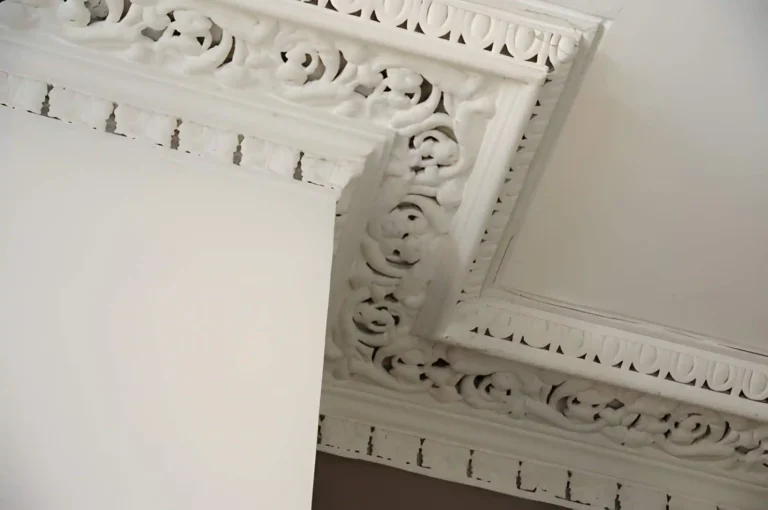
At the premium end, coving designs can take inspiration from classical architecture, including the flowing, organic forms associated with Antoni Gaudí, blending artistry with function.
👉 Learn more in our full guide to coving vs cornice
What Is Architrave?
Architrave is a moulding used to frame doors and windows. It serves both a practical and decorative purpose, making it an essential component in any finished interior.
For a wider overview of profiles, materials and planning, read our complete guide to architrave in Irish homes.
Where Is Architrave Used?
- Around door frames
- Around window frames
What Does Architrave Do?
- Covers gaps between the wall and door/window frame
- Protects edges from wear and damage
- Provides a clean, finished look
Without architrave, even high-quality installations can look incomplete.
If the background is not perfectly flat, follow our guide to fitting architrave on uneven walls before fixing the trim.
Style Variations
Architrave comes in a wide range of styles:
- Modern square-edge profiles for minimalist spaces
- Decorative or period designs for traditional homes
- Matching profiles for cohesive interior design
Materials and Durability
For trade professionals and homeowners alike, durability matters:
- Polyurethane architrave offers:
- Resistance to moisture (ideal for kitchens and bathrooms)
- Dimensional stability (won’t warp or crack)
- Easy installation
This is especially important in Irish homes where humidity and temperature fluctuations can affect traditional materials.
Key Differences Between Coving and Architrave
Location
- Coving: Installed at the ceiling-wall junction
- Architrave: Installed around doors and windows
Function
- Coving: Decorative and creates a smooth visual transition
- Architrave: Functional and protective, while also decorative
Design Impact
- Coving: Influences the overall feel of the entire room
- Architrave: Defines structural elements like doors and windows
Installation Complexity
- Coving: Requires overhead work and precise angle cutting
- Architrave: Easier to install but demands accuracy for clean joins
Materials & Durability
Moisture resistance and longevity are key concerns:
- Cheap materials can crack, warp, or shrink over time
- Polyurethane stands out as a premium option:
- Lightweight
- Moisture-resistant
- Long-lasting
Do Coving and Architrave Need to Match?
Not exactly—but they should complement each other.
Design Tips
- Match the overall style (modern vs traditional)
- Keep proportions consistent across mouldings
- Use paint-ready finishes for a cohesive look
A well-coordinated interior doesn’t require identical profiles—but it does require harmony.
👉 See how coving pairs with skirting boards
When Should You Use Coving, Architrave, or Both?
Use Coving When:
- A room feels plain or unfinished
- You want a more high-end, designer look
- Renovating living rooms, bedrooms, or hallways
Use Architrave When:
- Installing or upgrading doors and windows
- You need to finish structural openings cleanly
Use Both When:
- Completing a full home renovation
- Upgrading a period property
- Aiming for a premium interior finish
Combining both elements creates a layered, cohesive design that elevates the entire space.
Common Mistakes to Avoid
- Mixing incompatible styles (e.g., ultra-modern with ornate period mouldings)
- Ignoring proportions, making rooms feel unbalanced
- Choosing cheap materials that crack or warp
- Overcomplicating installation without proper tools or planning
Avoiding these mistakes can save time, money, and frustration.
Best Materials for Irish Homes (Moisture & Durability Focus)
Ireland’s climate makes material choice especially important.
Key Concerns:
- Moisture in kitchens and bathrooms
- Temperature changes causing expansion and contraction
- Long-term durability
Recommended Solution: Polyurethane
- Moisture-resistant
- Lightweight and easy to install
- Crack-resistant and stable over time
- Paint-ready for a clean finish
For both homeowners and trade professionals, polyurethane offers a reliable, long-term solution that balances quality and ease of use.
Style Inspiration for Modern & Period Homes
Period Homes
- Ornate coving
- Detailed architrave
- Classic European-inspired finishes
Modern Homes
- Clean lines
- Minimalist profiles
- Integrated LED lighting
Across Ireland, there’s a growing trend toward architectural detailing—even in contemporary homes—driven by social media and interior design inspiration.
👉 Compare coving with picture rails
Coving vs Architrave: Key Differences Explained – FAQs
Conclusion: Choosing the Right Moulding for Your Space
Coving and architrave are not the same—but together, they play a vital role in creating a well-finished interior.
- Coving enhances the overall look of a room
- Architrave defines and protects structural features
For the best results, consider using both—especially in full renovations or high-end projects.
By choosing the right materials and styles, you can achieve:
- Easier installation
- Long-term durability
- A polished, designer-level finish
Whether you’re a homeowner upgrading a single room or a professional managing multiple projects, understanding these differences ensures better decisions—and better results.
For a representative coving profile to compare against architrave in person, see the GAUDI 1.50.288 cornice.