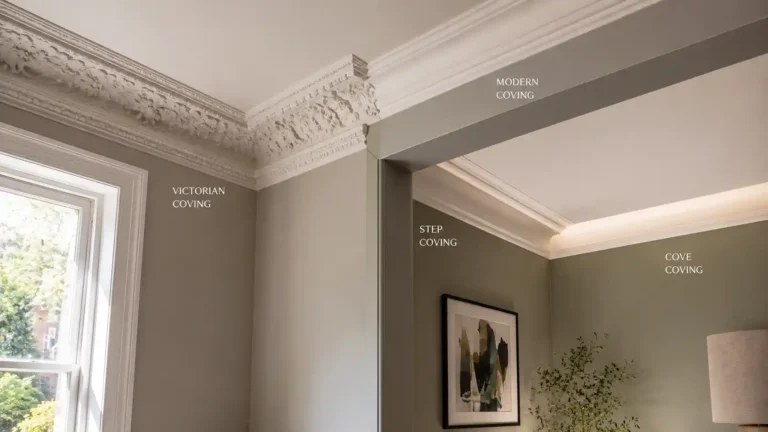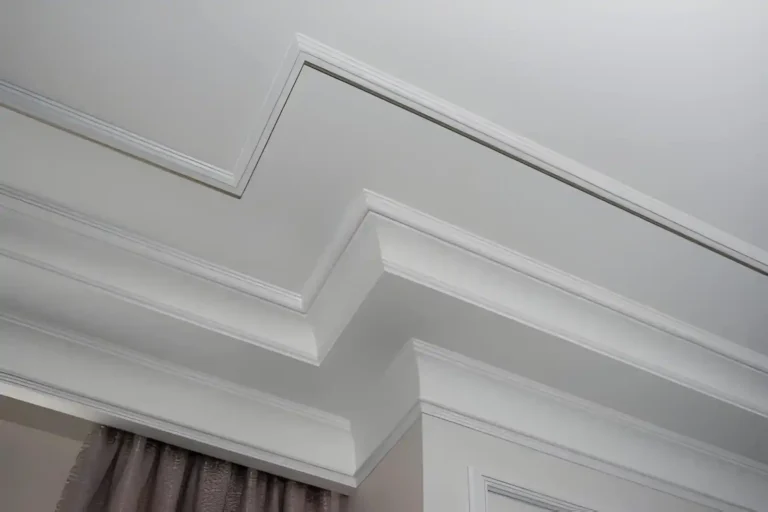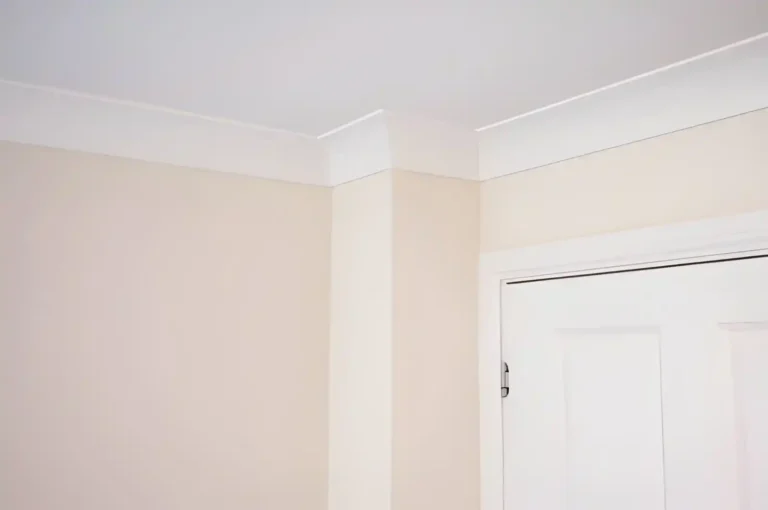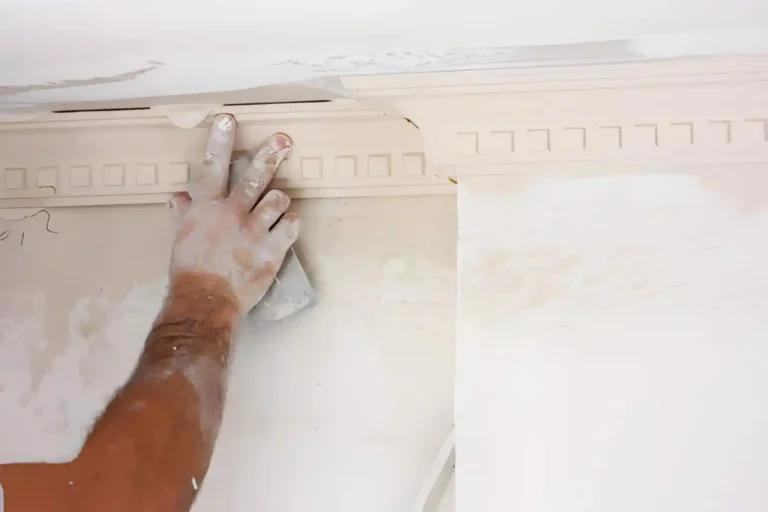
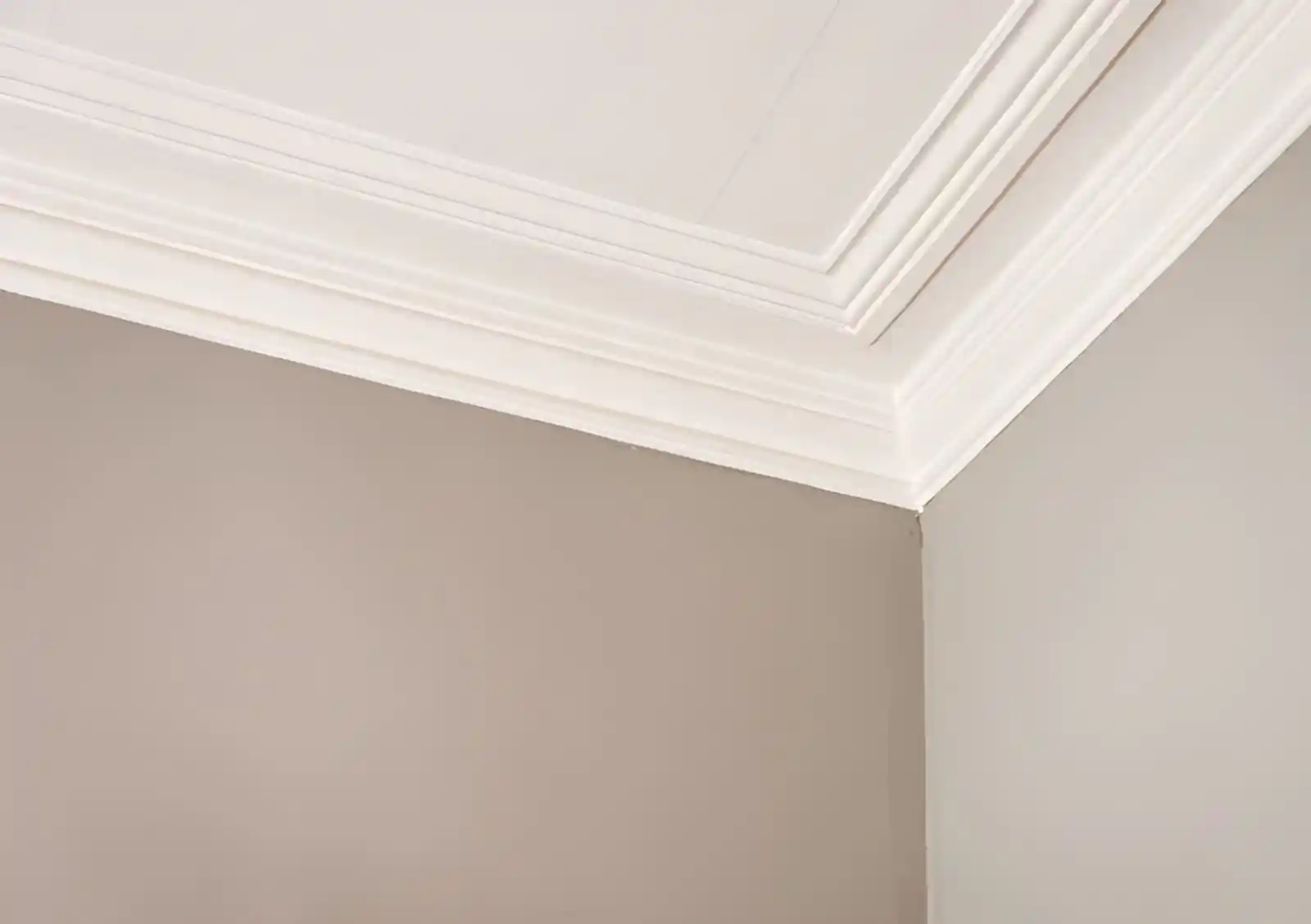
What is polyurethane coving? Polyurethane coving is a modern decorative moulding used to create a smooth transition between walls and ceilings. Known for being lightweight, durable, and easy to install, it has quickly become one of the most popular alternatives to traditional plaster coving in Irish homes and commercial projects.
Its rise in popularity is driven by a simple promise: premium design without the drawbacks of heavy, fragile materials. Whether you’re renovating a period property in Dublin or fitting out a new build in Cork, polyurethane offers a balance of style, durability, and practicality.
If you’re still exploring your options, you can compare all coving materials here to see how polyurethane stacks up against plaster, polystyrene, and XPS.
What is Polyurethane Coving?
Polyurethane coving is a type of decorative moulding made from high-density polymer foam. It is designed to replicate the appearance of traditional plaster while offering improved durability and easier installation.
Unlike plaster, polyurethane is manufactured using moulds, allowing for precise, consistent designs across every piece.
It is commonly used for:
- Ceiling-to-wall transitions
- Decorative cornices
- Enhancing architectural detail
- Modern LED-integrated coving designs
Is Polyurethane the Same as Duropolymer?
Not exactly—but they are closely related.
Duropolymer is a branded, enhanced form of high-density polystyrene or polymer, often used in premium mouldings. Polyurethane and duropolymer share similar benefits such as durability and moisture resistance, but may differ slightly in density and finish depending on the manufacturer.
Key Properties of Polyurethane Coving
Lightweight but Durable
Polyurethane coving is significantly lighter than plaster, making it easier to transport, cut, and install. This is especially beneficial for:
- DIY homeowners
- Trade professionals aiming to reduce labour time
Despite its light weight, it remains highly impact-resistant and long-lasting.
Moisture Resistance
One of the biggest advantages—especially in Ireland—is its resistance to moisture. Unlike plaster, it won’t absorb water, making it ideal for:
- Kitchens
- Bathrooms
- Utility rooms
Pre-Primed & Paint-Ready
Most polyurethane coving comes factory-primed, meaning it’s ready to paint straight out of the box. This saves time and ensures a smooth, professional finish.
High Detail Replication
Polyurethane excels at replicating intricate designs, making it suitable for:
- Period homes
- Contemporary interiors
- Designer-led renovations
This is a major reason it’s often described as “designer-approved”.
Pros of Polyurethane Coving
- ✔ Easy to install (DIY-friendly)
- ✔ Crack-resistant compared to plaster
- ✔ Lightweight (reduces labour costs)
- ✔ Long lifespan
- ✔ Moisture resistant
- ✔ Consistent quality across batches
- ✔ Suitable for both modern and classic interiors
Cons of Polyurethane Coving
- ✖ Higher upfront cost than polystyrene
- ✖ Less authentic than plaster for heritage restorations
- ✖ Requires proper adhesive and installation technique
Polyurethane vs Polystyrene Coving
Key Differences
| Feature | Polyurethane | Polystyrene |
|---|---|---|
| Density | High | Low |
| Finish Quality | Smooth, premium | Slightly textured |
| Durability | Strong & impact-resistant | Easily dented |
| Price | Mid to high | Budget-friendly |
Which One Should You Choose?
If you’re working with a tight budget, polystyrene can be a good entry-level option. But for long-term value, durability, and a premium finish, polyurethane is the better investment.
Still unsure? You can read full polystyrene vs XPS guide for more comparisons.
Is Polyurethane Coving Good for Irish Homes?
Best for Renovations & Extensions
Because it’s lightweight, polyurethane is perfect for retrofitting into existing homes without structural hassle.
Ideal for Modern & Period Interiors
Whether you’re inspired by Instagram trends or restoring a Georgian-style room, polyurethane offers flexibility in design.
Works Well in Damp Conditions
Ireland’s climate makes moisture resistance essential—and polyurethane handles it effortlessly.
Polyurethane Coving for Trade Professionals
For builders, designers, and contractors, polyurethane coving delivers clear advantages:
- Faster installation = reduced labour costs
- Reliable, consistent product quality
- Easy to cut and fit on-site
- Ideal for bulk purchasing and repeat use
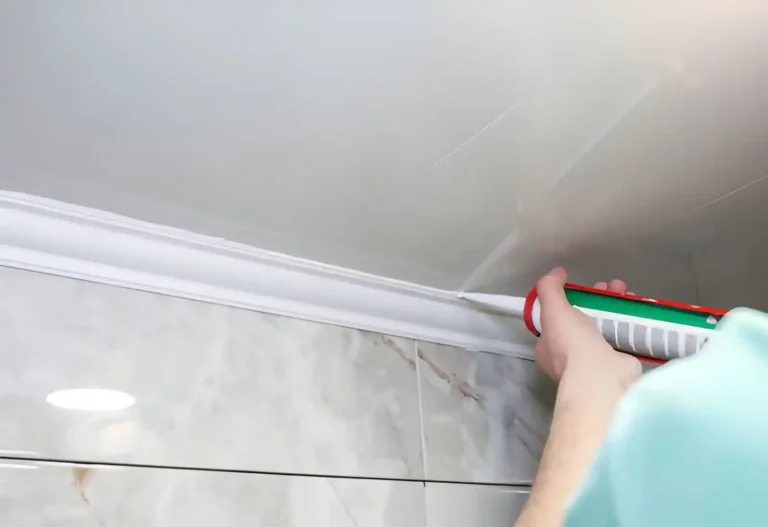
Installing polyurethane coving is straightforward:
- Measure and cut to size
- Apply adhesive to edges
- Position and press into place
- Fill joints and gaps
- Paint once dry
Compared to plaster, it requires less skill, less time, and fewer tools.
For a step-by-step breakdown, see our full coving installation guide.
When Should You Choose Polyurethane Coving?
Polyurethane is the right choice if:
- You want a premium finish without heavy plaster
- You need moisture-resistant materials
- You value easy installation and long-term durability
- You’re aiming for a designer-quality interior
What Is Polyurethane Coving – FAQs
Conclusion
Polyurethane coving offers a modern solution to traditional interior detailing. It combines:
- Durability
- Ease of installation
- Moisture resistance
- High-end aesthetic appeal
Whether you’re a homeowner upgrading your space or a trade professional managing multiple projects, it delivers reliable, long-lasting results.
Ready to explore more?
The GAUDI 1.50.115 cornice is a good example of the sleek, lightweight polyurethane profile described above.