
Choosing the best coving adhesive isn’t just a minor detail—it’s the difference between a flawless, long-lasting finish and frustrating issues like cracks, gaps, or even falling coving. Whether you’re upgrading a period home in Dublin or finishing a modern extension, the adhesive you use plays a critical role in both appearance and durability.
Coving adhesive is specifically designed to bond decorative mouldings to walls and ceilings while also acting as a filler for joints and imperfections. But not all adhesives are created equal. Using the wrong type can lead to poor adhesion, visible seams, or long-term structural issues—especially in moisture-prone areas like kitchens and bathrooms.
This guide is designed for homeowners, interior designers, and trade professionals who want a reliable, professional finish without unnecessary complications. We’ll walk you through the different types of coving adhesive, how to apply them correctly, and exactly how long they take to dry.
Throughout, we’ll reference trusted suppliers like Gaudi Coving—known for high-quality, installer-friendly products used across Ireland.
What Is Coving Adhesive and Why It Matters
What coving adhesive actually does
Coving adhesive serves three key functions: bonding, filling, and finishing. First, it securely attaches the coving to both the wall and ceiling surfaces. Second, it fills small gaps caused by uneven walls or imperfect cuts. Finally, it helps create a smooth, seamless finish ready for painting.
Unlike general-purpose adhesives, coving adhesive is formulated to handle the unique angle, weight, and surface contact involved in moulding installation.
Why using the right adhesive is critical
Using the correct adhesive ensures long-term performance. A high-quality coving adhesive prevents cracking as materials expand and contract, especially in Irish climates where humidity fluctuates. It also ensures the coving stays firmly in place without sagging or detaching over time.
For trade professionals, the right adhesive reduces callbacks and speeds up installation. For homeowners, it means peace of mind and a cleaner finish.
Common mistakes homeowners make
One of the most common mistakes is using generic construction adhesive instead of a product designed for coving. Others include applying too little adhesive, leading to weak bonding, or failing to prepare surfaces properly. Even the best adhesive won’t perform if applied to dusty, damp, or uneven surfaces.
Types of Coving Adhesive Explained
Powder-Based Coving Adhesive
Powder adhesives are mixed with water to create a paste. They offer a strong bond and are particularly suitable for heavier plaster coving. They also allow some flexibility during installation, giving installers time to adjust positioning before the adhesive sets.
However, they require more preparation and are typically preferred by experienced users or professionals.
Ready-Mixed Coving Adhesive
Ready-mixed adhesives come pre-prepared in tubs, making them ideal for DIY users. They’re easy to apply and require no mixing, reducing mess and saving time.
The trade-off is a slightly longer drying time, but for most homeowners, the convenience outweighs this minor drawback.
Cartridge Adhesives (Grab Adhesives)
These adhesives are applied using a caulking gun and are known for their strong initial grab. They’re particularly useful for lightweight materials like polystyrene or polyurethane coving.
Trade professionals often prefer grab adhesives for speed and efficiency, especially on larger projects.
Adhesives by Coving Material
Different materials require different adhesive approaches:
- Polystyrene: lightweight, needs flexible adhesive
- Polyurethane: durable, requires strong bonding
- Plaster: heavy, needs high-strength adhesive
For a deeper dive, see our guide on what adhesive do you use for polystyrene coving.
What Is the Best Adhesive for Coving? (Material-Based Guide)
Best adhesive for polystyrene coving
Polystyrene coving is lightweight and easy to install, but it requires a flexible, solvent-free adhesive to avoid damage. Grab adhesives or ready-mixed options are typically best.
If you’re unsure, explore what to put polystyrene coving up with for detailed recommendations.
Best adhesive for polyurethane coving
Polyurethane coving is more durable and moisture-resistant, making it popular in kitchens and bathrooms. A strong grab adhesive is ideal here, offering both quick installation and long-term reliability.
Best adhesive for plaster coving
Plaster coving is significantly heavier, so a powder-based adhesive is usually the best choice. It provides the strength needed to support the weight and ensures a secure bond.
Trade vs DIY recommendations
Trade professionals prioritize speed, consistency, and reliability—often opting for cartridge adhesives. DIY users, on the other hand, benefit from ready-mixed adhesives that are easier to work with and more forgiving during installation.
How to Apply Coving Adhesive (Step-by-Step Guide)
Tools and materials needed
Before starting, gather all necessary tools:
- Coving adhesive (appropriate type)
- Caulking gun or mixing tools
- Mitre box and saw
- Tape measure and pencil
Surface preparation (critical step)
Proper preparation is essential. Surfaces should be clean, dry, and free of dust or grease. Uneven walls should be smoothed out where possible.
If you’re working on challenging surfaces, read will coving adhesive stick to tiles or wallpaper before proceeding.
Applying the adhesive correctly
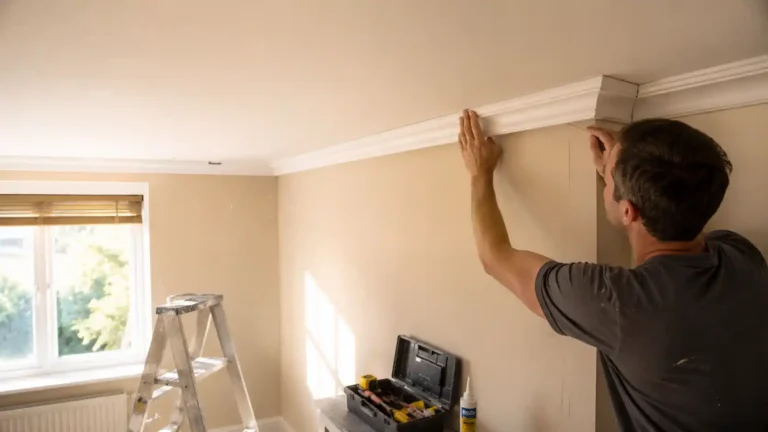
Apply adhesive along both edges of the coving—the parts that contact the wall and ceiling. Avoid spreading it too thin, as this reduces bonding strength.
Fixing the coving in place
Press the coving firmly into position and hold it for a few moments to allow the adhesive to grip. For longer lengths, temporary supports or pins may be needed.
Finishing joints and gaps
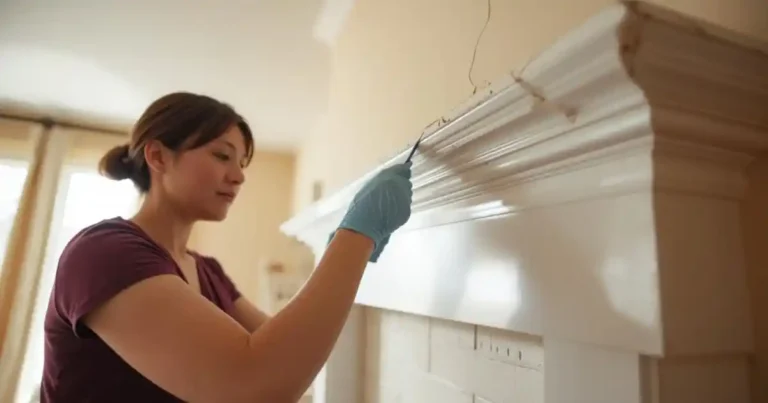
Use excess adhesive to fill joints and gaps, smoothing with a scraper or finger. This ensures a seamless finish once painted.
How Long Does Coving Adhesive Take to Dry?
Typical drying times by adhesive type
Drying times vary depending on the adhesive:
- Powder adhesive: sets in 60–120 minutes
- Ready-mix: 2–4 hours initial set
- Grab adhesive: immediate hold, 24-hour full cure
Factors that affect drying time
Temperature and humidity play a major role. In Ireland, higher humidity can slow drying times, especially in older homes or during colder months.
Surface type also matters—porous surfaces absorb moisture and speed up drying, while non-porous surfaces slow it down.
When can you paint coving?
It’s generally safe to paint after 24 hours, but always check manufacturer recommendations. Painting too early can trap moisture and lead to cracks.
Can Coving Adhesive Be Used for Other Jobs?
Can you use coving adhesive as a filler?
Yes, coving adhesive can double as a filler for small gaps and imperfections. However, it may not sand as smoothly as dedicated fillers.
For more detail, see can you use coving adhesive as a filler.
Can you use it for skirting boards?
While possible, it’s not always ideal. Skirting boards often require stronger adhesives due to heavier loads and potential impacts.
Can coving adhesive be sanded?
Some types can be lightly sanded once dry, but results vary. Always test a small area first.
Will Coving Adhesive Stick to Different Surfaces?
Adhesion on plaster walls
Plaster is the ideal surface for coving adhesive, providing strong and reliable bonding.
Adhesion on painted surfaces
Adhesion is possible, but lightly sanding the paint improves grip.
Adhesion on tiles
Coving adhesive can stick to tiles, but it’s not always reliable due to the smooth surface.
Adhesion on wallpaper
Wallpaper is not recommended, as it can peel away under the weight of the coving. Learn more in can you put coving on top of wallpaper.
How Much Coving Adhesive Do You Need?
Coverage estimates
Coverage depends on the adhesive type and coving size. A standard tub typically covers several metres, but always check product specifications.
Factors affecting quantity
- Size and profile of coving
- Wall condition
- Installation experience
To calculate accurately, read how much coving adhesive do I need.
Choosing the Right Coving Adhesive (Buyer’s Guide)
For homeowners (Residential Renovators)
Look for adhesives that are easy to apply, paint-ready, and moisture-resistant. These features ensure a smooth finish and long-lasting performance.
For trade professionals
Speed and reliability are key. Professionals need adhesives that set quickly, perform consistently, and reduce labour time.
Key features to look for
- Moisture resistance
- Crack resistance
- Compatibility with materials
Why professionals choose trusted suppliers
Reliable suppliers like Gaudi Coving offer consistent quality, technical support, and products designed for real-world installation challenges.
Common Coving Adhesive Problems (and How to Fix Them)
Coving falling down
Usually caused by insufficient adhesive or poor surface preparation. Reapply using the correct adhesive and ensure surfaces are clean.
Cracking joints
Often due to low-quality adhesive or premature painting. Use a flexible adhesive and allow proper drying time.
Adhesive not sticking
This typically results from dust, grease, or uneven surfaces. Proper preparation is essential.
Pro Tips for Perfect Coving Installation
- Apply enough adhesive for full contact
- Always prepare surfaces thoroughly
- Work in small sections
- Use temporary supports if needed
- Choose reliable materials from suppliers like Gaudi Coving
FAQs – Best Coving Adhesive: Types, Use & Drying Time
Conclusion
Choosing the best coving adhesive is essential for achieving a professional, long-lasting finish. From understanding the different types of adhesive to applying them correctly and allowing proper drying time, every step plays a role in the final result.
Whether you’re a homeowner upgrading a single room or a trade professional managing multiple projects, the right adhesive simplifies installation and ensures durability. By selecting high-quality products and following best practices, you can avoid common pitfalls like cracking, poor adhesion, and uneven finishes.
For reliable results, consider sourcing your materials from trusted suppliers like Gaudi Coving—where products are designed with both performance and ease of use in mind.