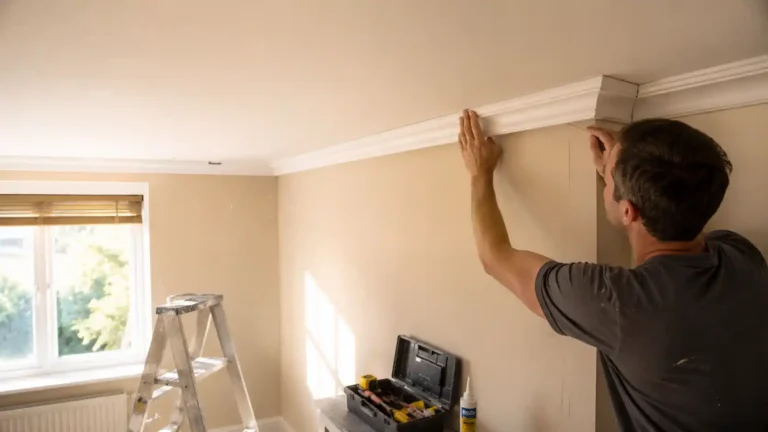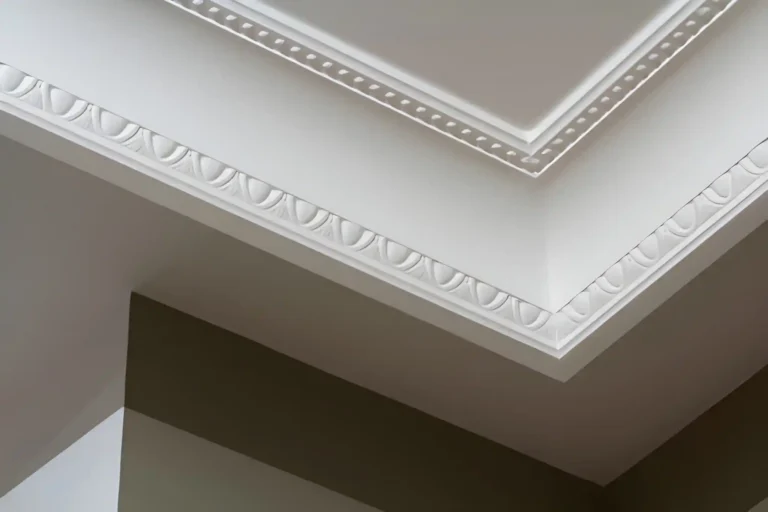

What adhesive do you use for polystyrene coving? Choosing the right adhesive for polystyrene coving is one of the most important steps in achieving a clean, professional-looking finish. While coving itself is lightweight and easy to install, using the wrong adhesive can quickly lead to problems like sagging edges, visible gaps, or even sections falling away from the wall over time.
Many homeowners assume any general-purpose glue will do the job—but that’s one of the most common mistakes. Polystyrene requires a specific type of adhesive that provides a strong bond without damaging the material. Without it, even the most carefully installed coving can end up looking uneven or unfinished.
This guide is designed to give you clear, expert-backed advice on exactly what adhesive to use, how to apply it, and how to avoid costly errors. Whether you’re tackling a DIY renovation or working on a professional project, the right approach will help you achieve a seamless, long-lasting result.
At Gaudi Coving, we always recommend using high-quality, purpose-made adhesives to ensure both durability and ease of installation—two things that make all the difference in achieving a perfect finish.
What Is Polystyrene Coving and Why Adhesive Choice Matters
What Makes Polystyrene Different?
Polystyrene coving has become increasingly popular in Irish homes thanks to its practicality and versatility. Unlike traditional plaster, it is extremely lightweight, making it far easier to handle and install—especially for DIY homeowners.
It’s also moisture-resistant, which makes it suitable for kitchens, bathrooms, and other areas where humidity can be an issue. This durability is a key reason many renovators are choosing polystyrene over heavier, more fragile materials.
Another major advantage is how easy it is to cut and fit. With basic tools and the right adhesive, most people can install it themselves and still achieve professional results.
Why Standard Adhesives Don’t Always Work
Despite its benefits, polystyrene has specific requirements when it comes to adhesives. Some standard adhesives—particularly solvent-based ones—can actually damage or dissolve the material, weakening the bond before it even sets.
Others simply don’t provide enough grip for ceiling installations, leading to sections slipping out of place or failing over time. Inconsistent bonding can also result in cracks forming along joints, especially in homes exposed to temperature changes.
If you want a reliable, long-lasting finish, it’s essential to understand the types of coving adhesives explained and choose one that’s specifically designed for this application.
Best Adhesives for Polystyrene Coving
Choosing the right adhesive doesn’t have to be complicated—but it does make a big difference to the final result.
1. Ready-Mixed Coving Adhesive (Best Overall)
Ready-mixed coving adhesive is the most popular and reliable option for polystyrene coving. It’s specifically designed for this type of installation, which means it offers excellent bonding strength without damaging the material.
It provides a strong initial grab, helping hold the coving in place while you position it. At the same time, it’s workable enough to allow small adjustments, which is ideal for both DIY users and professionals.
Another major advantage is its gap-filling ability. Walls and ceilings are rarely perfectly straight, and this type of adhesive helps create a smooth, seamless finish even on slightly uneven surfaces.
If you’re unsure where to start, this is widely considered the best coving adhesive for easy installation.
2. Powdered Coving Adhesive
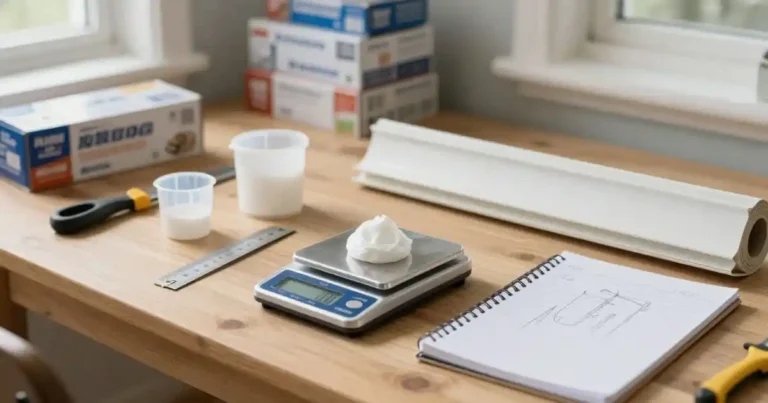
Powdered adhesive is mixed with water on-site and is more commonly used for plaster coving, but it can also be used with polystyrene.
It offers a longer working time, which can be helpful for larger rooms or more complex installations. However, it requires more preparation and consistency in mixing, making it slightly less convenient for beginners.
3. Grab Adhesives (Solvent-Free Only)
Grab adhesives are known for their strong, fast bonding properties. They can be a good option for polystyrene coving—provided they are solvent-free.
These adhesives are particularly useful when working with uneven surfaces, as they offer strong adhesion even where the contact isn’t perfect. However, it’s essential to check compatibility, as solvent-based versions can damage polystyrene.
4. Hybrid Adhesives (Advanced Option)
Hybrid adhesives combine strength and flexibility, making them a preferred choice for many trade professionals. They perform well in environments with temperature changes or higher moisture levels, such as bathrooms.
Their flexibility helps reduce the risk of cracking over time, which is especially important in modern homes with varying conditions.
What to Avoid
Not all adhesives are suitable for polystyrene coving. Avoid:
- Solvent-based adhesives (can melt polystyrene)
- Cheap, general-purpose glues
- Adhesives without gap-filling properties
Choosing the wrong product can lead to poor adhesion, visible imperfections, and costly rework.
What Do You Put Polystyrene Coving Up With? (Practical Guide)
Tools & Materials Needed
To install polystyrene coving properly, you’ll need:
- A suitable coving adhesive
- Mitre box or cutting guide
- Caulking gun (if using cartridge adhesive)
- Filling knife or scraper
Having the right tools ensures a smoother process and a cleaner finish.
Surface Preparation
Preparation is key to achieving a strong bond. Surfaces should be clean, dry, and free from dust or grease.
Polystyrene coving can be installed on both painted and bare surfaces, but the condition of the surface matters. Loose paint or flaky plaster should be removed before installation.
If you’re unsure about compatibility, it’s worth understanding will coving adhesive stick to paint or wallpaper? before starting your project.
For uneven walls, applying slightly more adhesive can help fill gaps and create a level finish.
Step-by-Step: How to Apply Adhesive to Polystyrene Coving
Step 1: Apply Adhesive Correctly
Apply a continuous bead of adhesive along both edges of the coving—the parts that will contact the wall and ceiling. Add a little extra at the joints to ensure a tight connection between sections.
Step 2: Position and Press
Carefully position the coving in place and press it firmly against the surfaces. Take your time to align it properly, as this will affect the overall look.
Step 3: Clean Excess Adhesive
As you press the coving into place, some adhesive may squeeze out. Smooth this immediately using a filling knife or your finger to create clean joints.
Step 4: Fill Gaps
Any small gaps can be filled using the same adhesive, helping create a seamless finish. If you’re wondering about this technique, see can coving adhesive be used as a filler? for more detail.
How Long Does Polystyrene Coving Adhesive Take to Dry?
Typical Drying Times
Most coving adhesives offer an initial grab within 10 to 30 minutes, allowing the coving to stay in place without additional support. Full curing typically takes between 12 and 24 hours.
Factors That Affect Drying
Drying time can vary depending on:
- Temperature (cooler Irish climates may slow drying)
- Humidity levels
- Type of adhesive used
Common Mistakes to Avoid
Even with the right adhesive, mistakes can impact your results. Common issues include:
- Using too little adhesive, leading to weak bonding
- Not supporting longer lengths during installation
- Applying adhesive to dusty or damp surfaces
- Choosing the wrong adhesive type
- Ignoring recommended drying times
These mistakes often result in cracking, uneven finishes, or the need for costly rework—something both homeowners and professionals want to avoid.
Pro Tips from Installers (Trade-Focused Section)
Experienced installers across Ireland rely on a few key practices to ensure consistent results.
Using high-quality adhesive is essential—not just for strength, but for predictability. Applying slightly more adhesive at joints helps create seamless connections and reduces visible lines after painting.
Working in smaller sections also improves accuracy and prevents adhesive from drying before positioning is complete.
These are trade-trusted methods used across Ireland, helping builders, designers, and contractors deliver high-end finishes efficiently.
Why Professionals Prefer Lightweight Coving Systems
Lightweight materials like polystyrene are increasingly preferred over traditional plaster for several reasons.
They are faster to install, reducing labour time and overall project costs. Their flexibility also reduces the risk of cracking, especially in homes with temperature or structural movement.
At the same time, modern products—such as those from Gaudi Coving—are designed to offer durability, moisture resistance, and a clean, paint-ready finish.
FAQs – What Adhesive Do You Use for Polystyrene Coving?
Conclusion
Choosing the right adhesive for polystyrene coving is essential if you want a professional, long-lasting result. The correct product not only ensures a strong bond but also helps create smooth joints and a flawless finish.
By using purpose-made adhesive, preparing your surfaces properly, and following the correct installation steps, you can achieve results that look just as good as professional work.
Whether you’re renovating a single room or managing a full project, investing in the right materials makes all the difference.
Choose the right adhesive and your coving will look seamless for years. With high-quality solutions like those from Gaudi Coving, achieving a durable, elegant finish has never been easier.