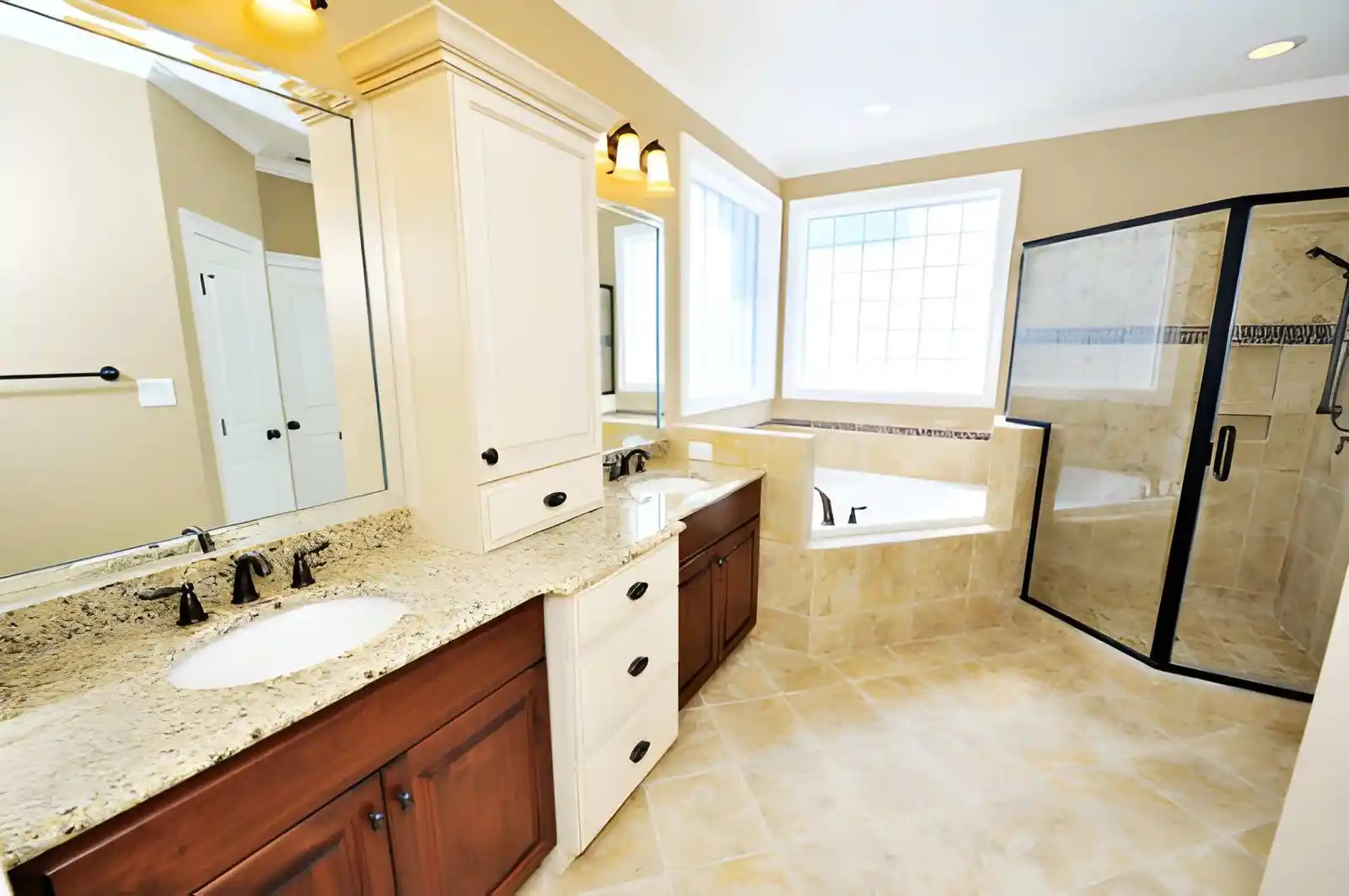
Can you put coving in a bathroom? Yes, you can absolutely put coving in a bathroom—but choosing the right material is critical.
Bathrooms are high-moisture environments, and not all coving types are designed to withstand humidity, condensation, and temperature fluctuations.
Homeowners often worry about issues like peeling paint, warping, cracking, or even mould forming over time. These concerns are valid—but they’re also completely avoidable with the right approach.
Modern coving is no longer just a decorative afterthought. It’s a premium architectural detail that elevates a space, adds character, and creates a polished, designer finish.
With innovations in materials such as products from Gaudi Coving, homeowners and trade professionals alike now have access to lightweight, moisture-resistant options that are built to last.
If you’re planning a full home upgrade, it’s worth understanding how coving works across different spaces.
👉 See our guide on where to use coving in your home for a complete room-by-room breakdown.
Can You Put Coving in a Bathroom? (Quick Answer)
Yes—you can install coving in a bathroom as long as you use moisture-resistant materials.
Avoid traditional options like plaster or MDF, which absorb moisture and can crack or warp over time. Instead, opt for:
- Polyurethane coving
- Duropolymer coving
- High-density polystyrene (with proper sealing)
The key is choosing materials designed specifically for humid environments.
Why Add Coving to a Bathroom? (Design + Practical Benefits)
Elevates the Space Instantly
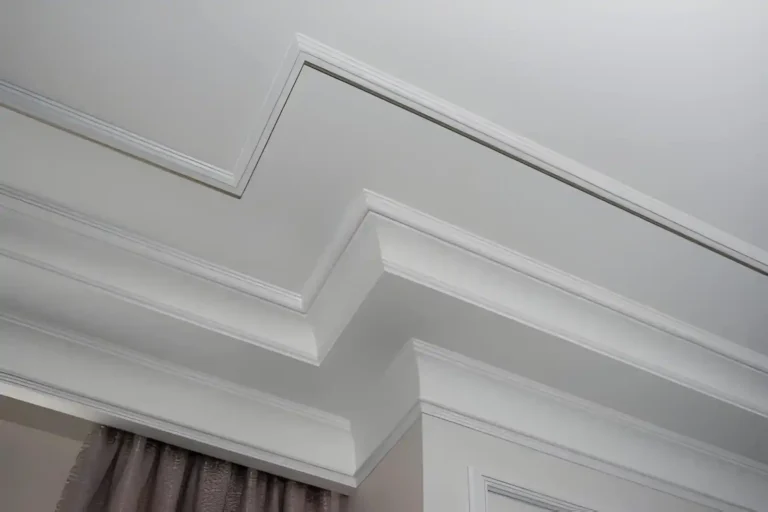
Coving creates a seamless transition between wall and ceiling, instantly making your bathroom feel more refined and complete. For homeowners investing in renovations, it delivers that “designer finish” without a major cost increase.
Hides Imperfections
Bathrooms often have uneven ceiling lines or rough joins. Coving cleverly conceals these imperfections, resulting in a cleaner overall look.
Works in Both Modern and Classic Bathrooms
Whether you prefer ornate, traditional cornices or sleek, minimalist profiles with LED lighting, coving adapts to your style.
Adds Property Value
Small details make a big difference. Coving adds perceived value and enhances the overall finish of your home—especially important for high-end renovations.
Best Coving Materials for Bathrooms (What Actually Works)
Polyurethane Coving (Best Overall Choice)
Polyurethane is widely considered the best material for bathroom coving.
- 100% moisture-resistant
- Lightweight and easy to install
- Highly durable and crack-resistant
- Pre-primed and paint-ready
Premium ranges from Gaudi Coving offer exceptional detail, combining durability with high-end design—ideal for both homeowners and trade professionals.
Duropolymer Coving (Trade Favourite)
Duropolymer is a dense, impact-resistant material often preferred by installers.
- Extremely durable
- Resistant to humidity and temperature changes
- Ideal for high-traffic or commercial projects
- Consistent quality for repeat installations
This makes it a reliable choice for builders and interior designers who need dependable performance.
Polystyrene Coving (Budget Option)
Can you use polystyrene coving in a bathroom? Yes—but with caution.
Pros:
- Affordable
- Lightweight
- Easy for DIY installation
Cons:
- Less durable than polyurethane
- Requires sealing and proper paint
- More prone to damage over time
It can work in low-moisture bathrooms, but it’s not the best long-term solution.
Materials to Avoid
- Plaster: Absorbs moisture and can crack
- MDF/Wood: Warps and deteriorates in humid conditions
These materials are better suited to dry areas like living rooms or bedrooms.
Can You Use Polystyrene Coving in a Bathroom? (Full Breakdown)
Polystyrene coving can be used in bathrooms—but only under the right conditions.
When It Works
- Bathrooms with good ventilation
- Properly primed and painted with moisture-resistant coatings
- Low condensation environments
When to Avoid It
- Poorly ventilated bathrooms
- High humidity or frequent steam exposure
Compared to polyurethane, polystyrene is a short-term solution. If you’re investing in a renovation, upgrading to a more durable material is usually worth it.
Moisture Resistance Explained (What Actually Matters)
Not all moisture exposure is the same. Understanding this helps you choose the right coving.
- Humidity: General moisture in the air
- Condensation: Water forming on surfaces
- Direct exposure: Splashes or leaks
To ensure long-term performance, focus on:
- Sealed surfaces
- High-quality adhesive
- Moisture-resistant paint
For trade professionals, dimensional stability is key. Materials like polyurethane maintain their shape over time, even in fluctuating conditions—reducing callbacks and maintenance issues.
How to Fit Coving in a Bathroom (Step-by-Step Guide)
Tools & Materials Needed
- Moisture-resistant adhesive
- Mitre box or saw
- Sealant and filler
- Measuring tools
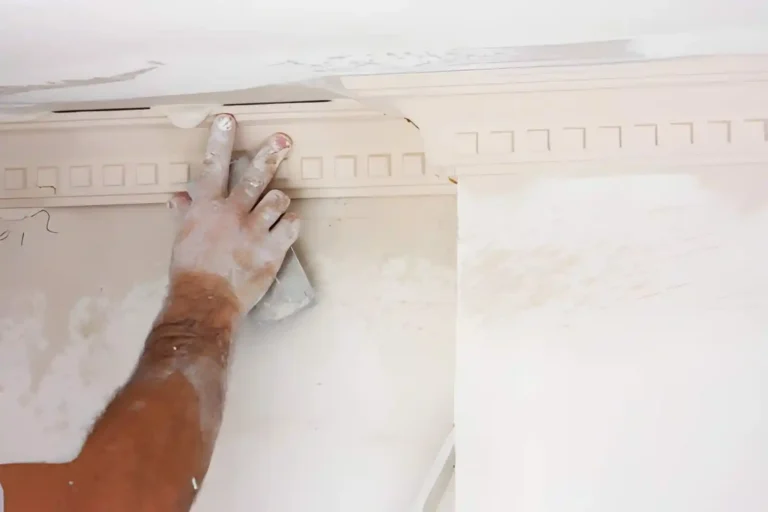
Surface Preparation
Ensure walls and ceilings are:
- Clean
- Dry
- Free from dust or grease
Prime surfaces if required for better adhesion.
Cutting & Positioning
- Measure carefully
- Cut angles accurately using a mitre box
- Dry-fit pieces before applying adhesive
Fixing the Coving
- Apply adhesive evenly along edges
- Press firmly into position
- Hold until secure
Sealing & Finishing
- Fill joints and gaps
- Sand lightly if needed
- Apply moisture-resistant paint
For more complex installations, such as curved walls, read 👉 how to fit coving on a curved wall.
Common Mistakes to Avoid
- Choosing non-moisture-resistant materials
- Skipping primer or sealant
- Using the wrong adhesive
- Ignoring ventilation issues
- Rushing installation
Avoiding these ensures your coving lasts for years without issues.
Bathroom Coving Ideas & Styles
Minimalist Modern Bathrooms
- Slim, clean profiles
- LED-integrated coving for ambient lighting
Classic / Period Homes
- Decorative cornices
- Larger profiles for traditional aesthetics
Small Bathrooms
- Subtle designs to avoid overwhelming the space
Bathroom vs Kitchen vs Bedroom Coving (Quick Comparison)
- Bathroom: Moisture-resistant materials essential
- Kitchen: Similar humidity concerns → see 👉 can you use coving in a kitchen
- Bedroom: More flexibility in materials → read 👉 do you put coving in bedrooms
Each room has different requirements, so choosing the right material matters.
Is Bathroom Coving Worth It? (Cost vs Value)
Bathroom coving is a high-impact, low-cost upgrade.
Costs
- Vary depending on material and design
- Budget to premium options available
Value
- Enhances aesthetics
- Increases perceived property value
- Creates a cohesive interior design
For many homeowners, it’s one of the simplest ways to elevate a renovation.
Can You Put Coving in a Bathroom?- FAQs
Conclusion
So, can you put coving in a bathroom? Absolutely. The key is choosing the right material and installing it correctly. Moisture-resistant options like polyurethane and duropolymer ensure durability, while modern designs offer both classic and contemporary styling.
Coving is a small detail—but it delivers a big transformation. It adds depth, character, and a polished finish that elevates your entire space.
With the right approach, you’ll benefit from:
- Long-lasting durability
- Moisture resistance
- Easy installation
- A high-end aesthetic
If you’re planning a full home renovation, don’t stop at the bathroom.