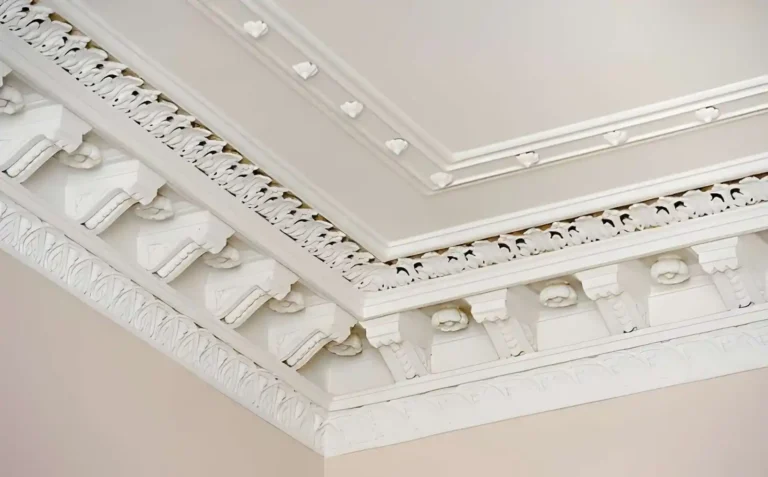
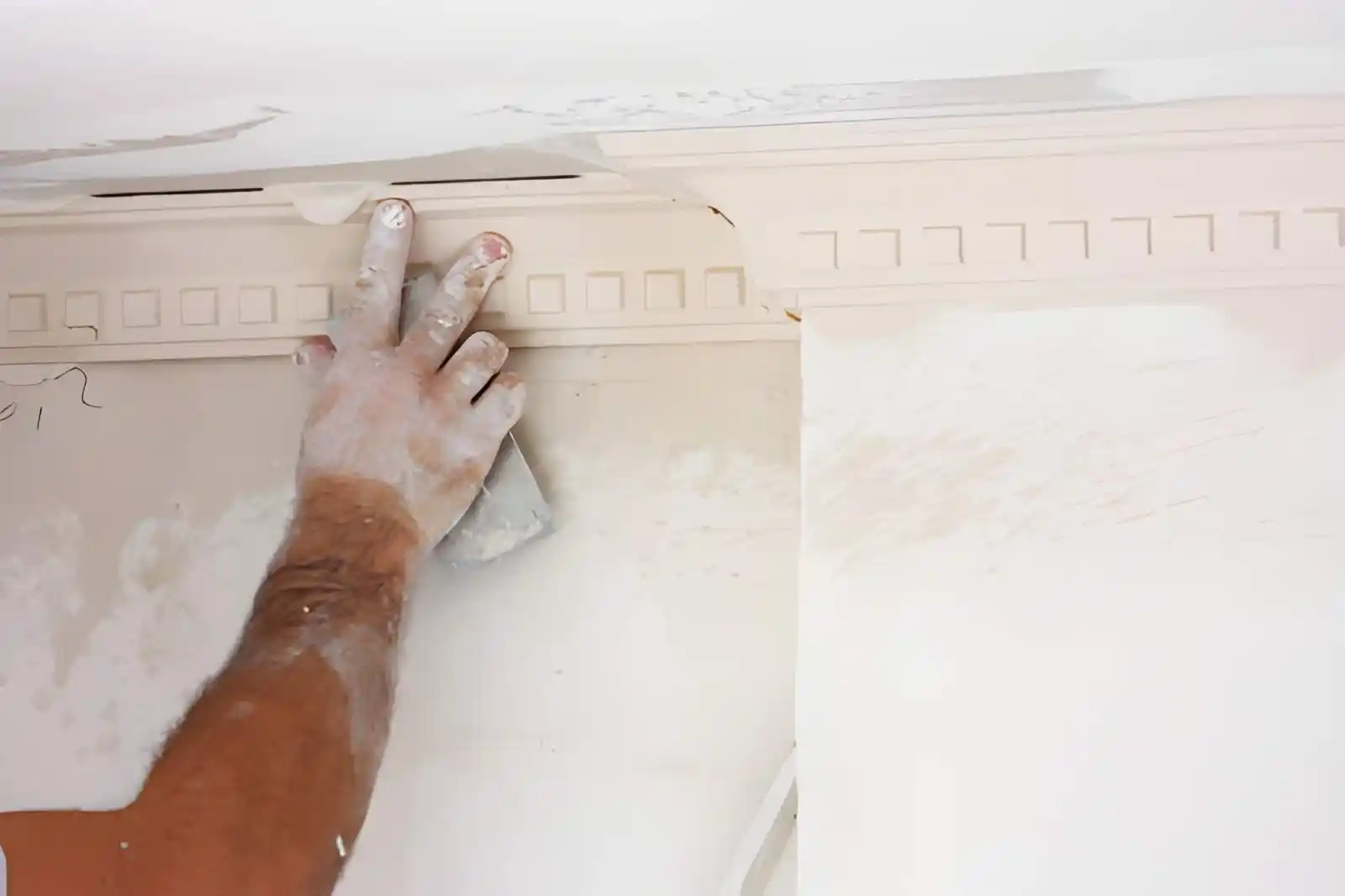
What is plaster coving? Plaster coving is a classic interior feature that creates a smooth, decorative transition between walls and ceilings. Made from gypsum-based plaster, it has long been associated with high-end finishes and architectural detail.
In Ireland, plaster coving remains especially popular in period homes across Dublin, Cork, Galway, and Limerick—where Georgian and Victorian influences still shape interior design. Homeowners looking to achieve a timeless, “designer” finish often turn to plaster for its authenticity and craftsmanship.
However, with the rise of modern materials like polyurethane and XPS, many renovators now face a key question: is traditional plaster still the best choice?
👉 Compare all materials in our complete coving guide
What Is Plaster Coving?
Plaster coving is a decorative moulding made from gypsum plaster, used to soften the junction between walls and ceilings. It can be installed using traditional wet plaster techniques or as pre-cast sections fixed in place.
This type of coving is deeply rooted in Irish architectural heritage, commonly found in period properties where detail and proportion were central to design.
A Brief History of Plaster Coving
Plaster coving became prominent during the Georgian and Victorian eras, particularly in cities like Dublin and Cork, where symmetry and ornate detailing defined residential interiors.
European design movements also played a role. Architects like Antoni Gaudí showcased how intricate plasterwork could elevate interior spaces into works of art.
Over time, plaster coving became the “premium standard”—a symbol of craftsmanship, status, and architectural authenticity.
Types of Plaster Coving Available
Plaster coving comes in a range of styles to suit different interiors:
- Plain coving: Simple curved profiles ideal for subtle finishes
- Decorative cornices: Ornate designs often paired with ceiling roses
- Custom mouldings: Bespoke designs tailored for restoration or luxury projects
Traditional vs Modern Plaster Options
- Hand-run plaster: Crafted on-site for heritage restorations
- Factory-cast plaster: Pre-made sections for faster installation
- Restoration-grade: Matches original period features
- New-build adaptations: Simplified designs inspired by classic styles
Key Benefits of Plaster Coving
Plaster coving continues to appeal to Irish homeowners and designers for several reasons:
- Authentic, premium finish: Ideal for period homes and high-end renovations
- Exceptional detail: Sharp lines and intricate patterns not easily replicated
- Adds property value: Enhances perceived quality and architectural integrity
- Fire-resistant: A naturally non-combustible material
👉 See how plaster compares to modern materials like polyurethane
Downsides of Plaster Coving (What to Consider)
Despite its advantages, plaster coving comes with practical limitations:
- Heavy and fragile: Difficult to transport and handle
- Labour-intensive: Requires skilled plasterers, increasing costs
- Prone to cracking: Especially in homes with structural movement
- Poor moisture resistance: Not ideal for kitchens or bathrooms in Ireland’s damp climate
👉 Explore moisture-resistant alternatives like XPS coving
Plaster Coving vs Modern Materials
Choosing the right material depends on your priorities—whether that’s authenticity, durability, or ease of installation.
Plaster vs Polyurethane Coving
- Weight: Plaster is heavy; polyurethane is lightweight
- Installation: Plaster requires professionals; polyurethane is DIY-friendly
- Detail: Plaster offers unmatched sharpness, though modern polyurethane comes close
- Durability: Polyurethane resists cracking and moisture better
Plaster vs XPS / Polystyrene
- Cost: XPS is more budget-friendly
- Longevity: Plaster can last decades but may crack; XPS is flexible and stable
- Ease of install: XPS is significantly easier and faster
- Moisture resistance: XPS is ideal for humid environments
👉 MDF vs plaster vs polyurethane coving comparison
Is Plaster Coving Right for Your Home?
Best For:
- Period homes with original features
- High-end renovations
- Feature rooms like living rooms and entrance halls
Not Ideal For:
- Bathrooms and kitchens (due to moisture exposure)
- DIY installations
- Fast-paced renovation projects
For homeowners seeking a refined, heritage-inspired finish, plaster remains a strong contender—but it’s not always the most practical.
When Trade Professionals Choose Plaster
For architects, builders, and interior designers, plaster coving still has its place.
Common Use Cases:
- Restoration and conservation projects
- Heritage buildings
- Clients demanding authentic finishes
Key Considerations:
- Labour time impacts profitability
- Risk of cracks can lead to callbacks
- Installation complexity requires skilled trades
For trade professionals, plaster is often a strategic choice rather than a default one.
Installation Considerations
Installing plaster coving is a specialised process:
- Requires an experienced plasterer
- Longer installation time compared to lightweight alternatives
- Needs proper surface preparation and curing
Cost of Plaster Coving in Ireland
Plaster coving is considered a premium option due to both material and labour costs.
- Material costs: Higher than polystyrene or XPS
- Labour costs: Significant due to skilled installation
- Overall investment: Higher upfront, but adds long-term value
For many Irish homeowners, the decision comes down to balancing authenticity with practicality.
Design Ideas & Inspiration
Plaster coving offers endless design possibilities:
- Pair ornate cornices with high ceilings for a grand effect
- Combine with ceiling roses for a classic look
- Use crisp white finishes for timeless appeal
- Contrast with modern interiors for a “designer” aesthetic
This aligns perfectly with homeowners seeking Pinterest-worthy interiors that feel both elegant and personal.
Alternatives to Plaster Coving
Modern materials provide practical alternatives:
- Polyurethane: Lightweight, durable, and easy to install
- XPS: Affordable and moisture-resistant
- Vinyl/epoxy: Ideal for commercial and wet environments
👉 Learn about vinyl and epoxy coving for wet rooms
What Is Plaster Coving? – FAQs
Conclusion
Plaster coving remains a timeless choice, offering unmatched elegance and authenticity for Irish homes. However, it’s less practical than modern alternatives in terms of installation, durability, and moisture resistance.
For period properties and high-end renovations, it’s often the perfect fit. For modern homes or fast projects, newer materials may be the smarter option.
If you’re weighing a modern alternative to traditional gypsum plaster, a polyurethane profile such as the GAUDI 1.50.130 cornice offers the moisture resistance and easier installation described above.