
If you’ve searched online for cornice, you’ve likely come across two similar-sounding terms: cornice board and ceiling cornice. Although they share a name, they are very different products with different purposes—and confusing them can lead to buying the wrong thing for your project.
In this guide, we’ll clearly explain what a cornice board is, how it differs from ceiling cornice, and how to know which one you actually need for your home.
For cabinetry-specific installation, see how to fit cornice on kitchen units and cabinets. For the wider building terminology, read what coving means in construction work.
Why Cornice Boards and Ceiling Cornices Are Often Confused
The confusion usually comes from:
- Similar terminology used inconsistently online
- Older DIY advice and catalogues
- The word cornice being applied to multiple decorative elements
As a result, people looking to finish a ceiling junction sometimes end up researching window treatments—and vice versa. Understanding the distinction upfront saves time, money, and frustration.
What Is a Cornice Board?
Simple Definition
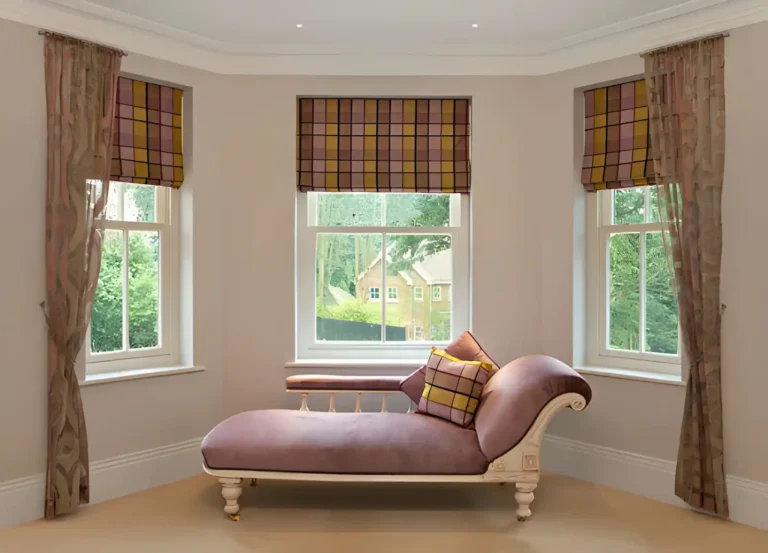
A cornice board is a decorative pelmet installed above a window to conceal curtain rails, tracks, or blind mechanisms.
It is part of soft furnishing and window dressing, not architectural ceiling detail.
Where Cornice Boards Are Used
Cornice boards are typically found:
- Above windows
- In living rooms and bedrooms
- In traditional or classic interiors
- As part of curtain or blind installations
They are fixed to the wall above the window opening—not at the ceiling junction.
What Cornice Boards Are Usually Made Of
Cornice boards are commonly made from:
- Timber
- MDF
- Upholstered or fabric-wrapped panels
Their finish is often coordinated with curtains, fabrics, or furniture rather than paintwork.
What Is a Ceiling Cornice?
Simple Definition
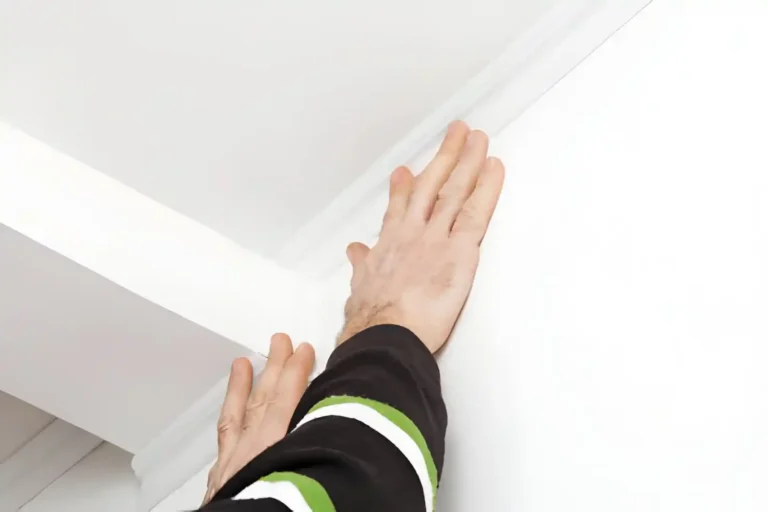
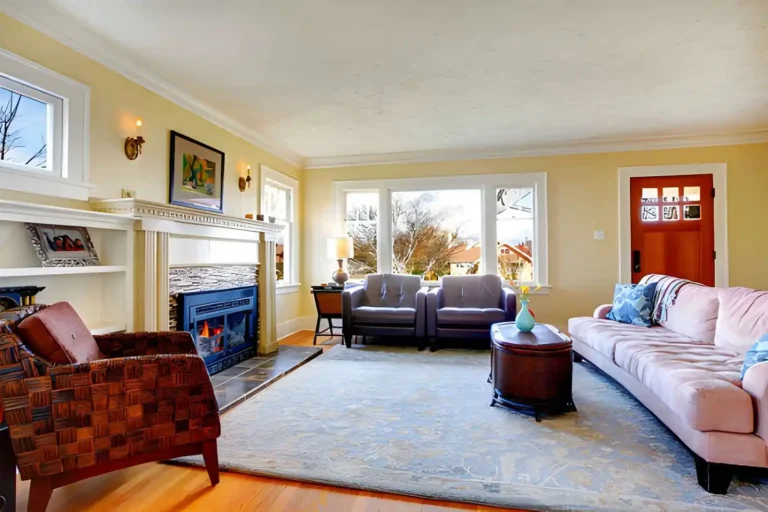
A ceiling cornice is an architectural moulding installed at the junction where the wall meets the ceiling.
Its role is to:
- Soften the transition between wall and ceiling
- Improve room proportions
- Add architectural detail and a finished look
Where Ceiling Cornice Is Used
Ceiling cornice is used throughout interiors, including:
- Living rooms and dining rooms
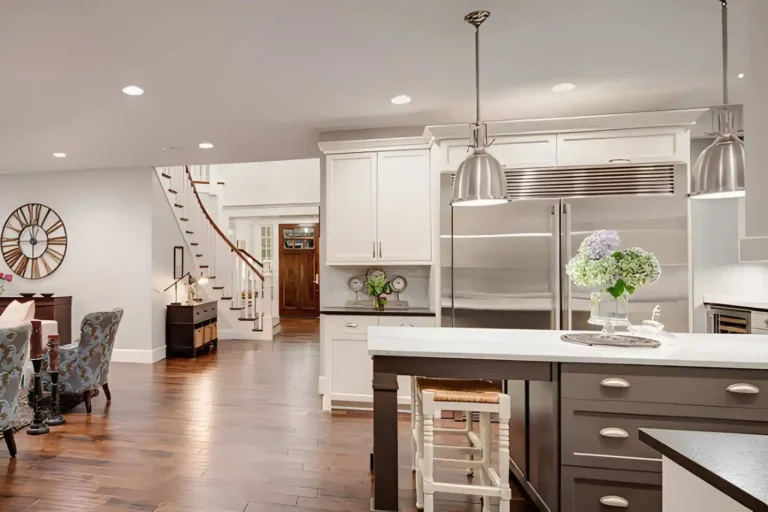
- Kitchens (including above wall units)
- Bedrooms, hallways, and staircases
- Commercial interiors such as offices and hotels
Unlike cornice boards, ceiling cornice runs continuously around a room.
Common Materials for Ceiling Cornice
Ceiling cornice is typically made from:
- Traditional plaster (older and period homes)
- Modern lightweight materials such as polyurethane or polystyrene
Modern materials have made ceiling cornice easier to install, more durable, and suitable for kitchens and bathrooms.
Cornice Board vs Ceiling Cornice: Key Differences
| Feature | Cornice Board | Ceiling Cornice |
|---|---|---|
| Purpose | Conceals curtain rails/blinds | Finishes wall–ceiling junction |
| Location | Above windows | Around the top of walls |
| Category | Soft furnishings | Architectural detail |
| Materials | Timber, MDF, fabric | Plaster, polyurethane |
| Paintable | Rarely | Almost always |
| Adds architectural value | No | Yes |
This distinction is the most important takeaway: they serve completely different functions.
Which One Do You Actually Need?
You Need a Cornice Board If…
- You want to hide curtain rails or blind mechanisms
- You’re dressing windows rather than ceilings
- Your focus is fabrics and soft furnishings
You Need a Ceiling Cornice If…
- You want to finish the wall–ceiling junction
- Your room feels visually unfinished
- You’re upgrading architectural detail
- You’re renovating or refreshing an interior
If your goal is to improve the overall look of a room, you’re almost certainly looking for ceiling cornice, not a cornice board.
Can You Use Both in the Same Room?
Yes—when used correctly, cornice boards and ceiling cornice can complement each other.
For example:
- Ceiling cornice frames the room architecturally
- Cornice boards finish window treatments neatly
The key is balance. Each should suit the scale and style of the room without competing for attention.
Common Buying Mistakes to Avoid
- Ordering a cornice board when you want ceiling cornice
- Assuming all “cornice” products serve the same purpose
- Mixing decorative window pelmets with minimalist ceiling details
- Ignoring proportion and placement
Most mistakes come from terminology confusion rather than design intent.
Why Ceiling Cornice Is More Relevant in Modern Interiors
Cornice boards have declined in popularity due to:
- Roller blinds and recessed window treatments
- Minimalist window dressing trends
Ceiling cornice, however, remains widely used because:
- It improves proportions regardless of window style
- It adds architectural refinement
- Modern materials make it practical and durable
This is why most searches for “cornice” ultimately relate to ceiling mouldings rather than window pelmets.
How to Choose the Right Ceiling Cornice Once You’ve Clarified the Difference
When selecting ceiling cornice, consider:
- Ceiling height – higher ceilings suit deeper profiles
- Interior style – modern vs classic
- Material – moisture-resistant options for kitchens and bathrooms
- Consistency – matching skirting and wall mouldings
Choosing the right cornice is about subtle enhancement, not decoration overload.
Frequently Asked Questions About Cornice Boards & Cornices
Final Thoughts: Same Word, Very Different Products
Although they share a name, cornice boards and ceiling cornices are not interchangeable. One belongs to window dressing, the other to architecture. Understanding the difference helps you make the right design and purchasing decisions.
If your goal is to elevate an interior, improve proportion, and achieve a polished finish, ceiling cornice remains one of the most effective and timeless solutions.
At Gaudi Coving, ceiling cornice and decorative mouldings are selected to deliver European-inspired design with modern performance, helping homeowners and professionals across Ireland achieve refined interiors with confidence.
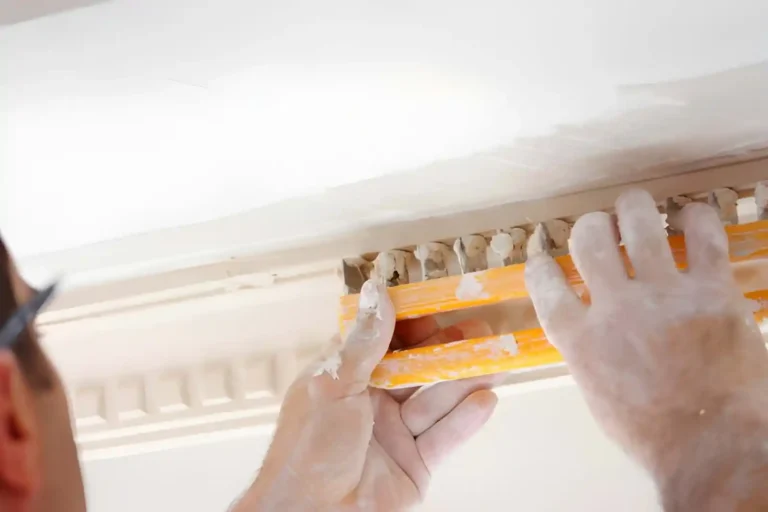
See the GAUDI 1.50.164 cornice for an example of a ceiling cornice with pronounced relief detail, of the kind discussed above.