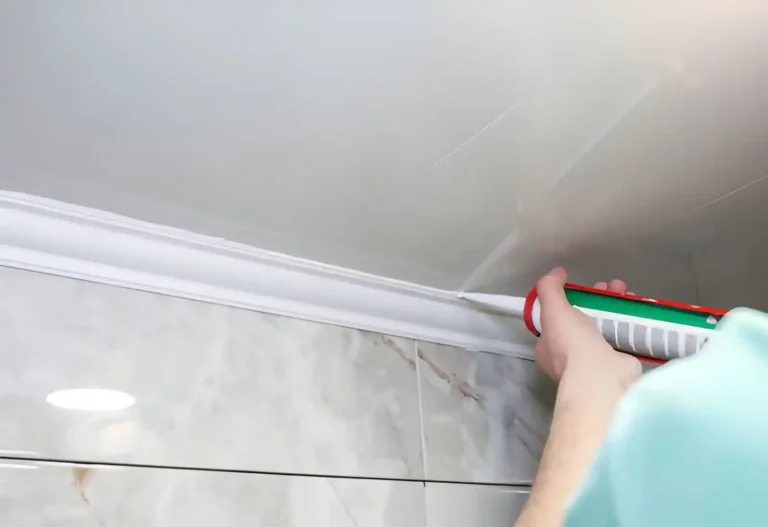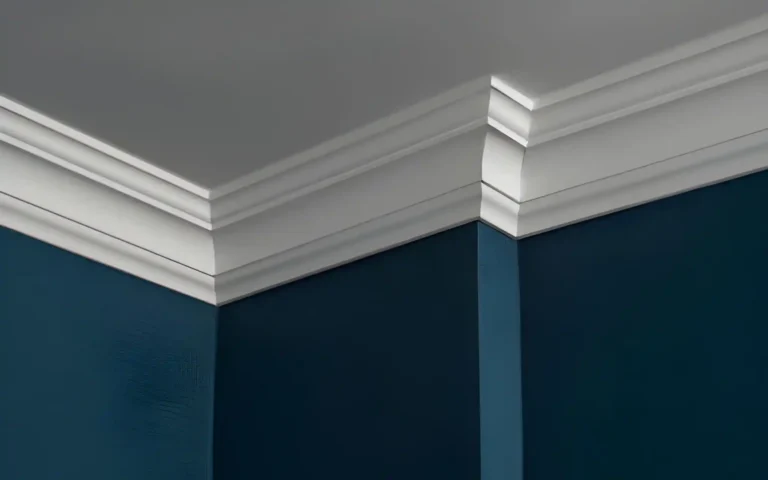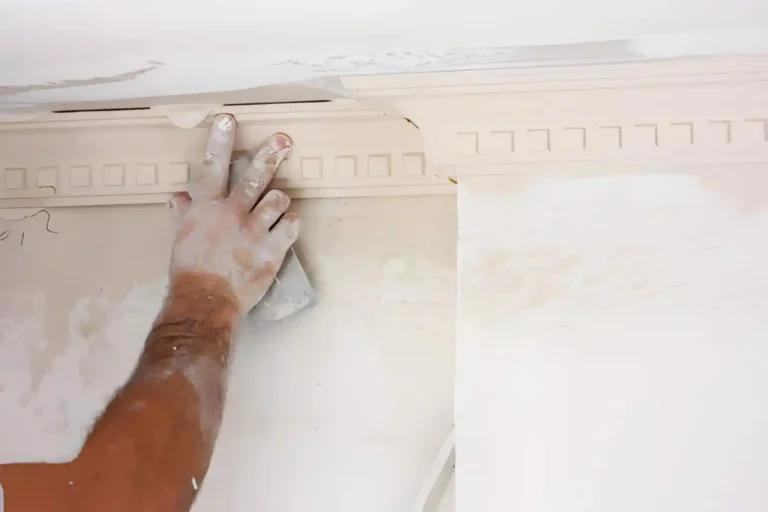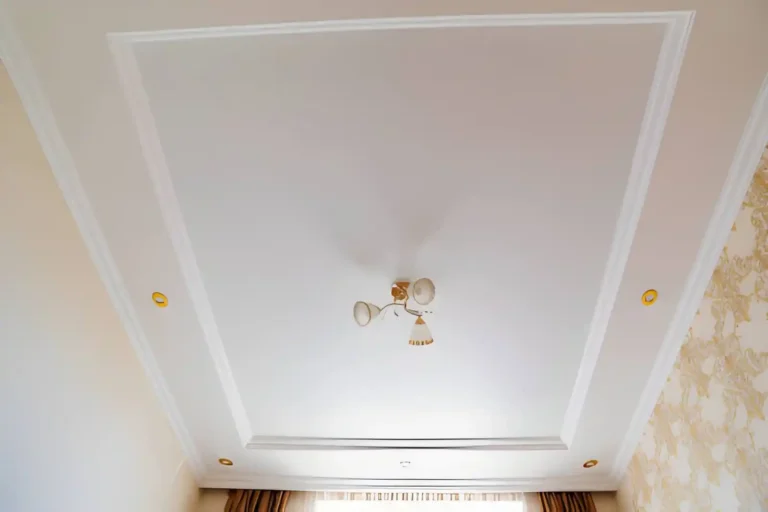
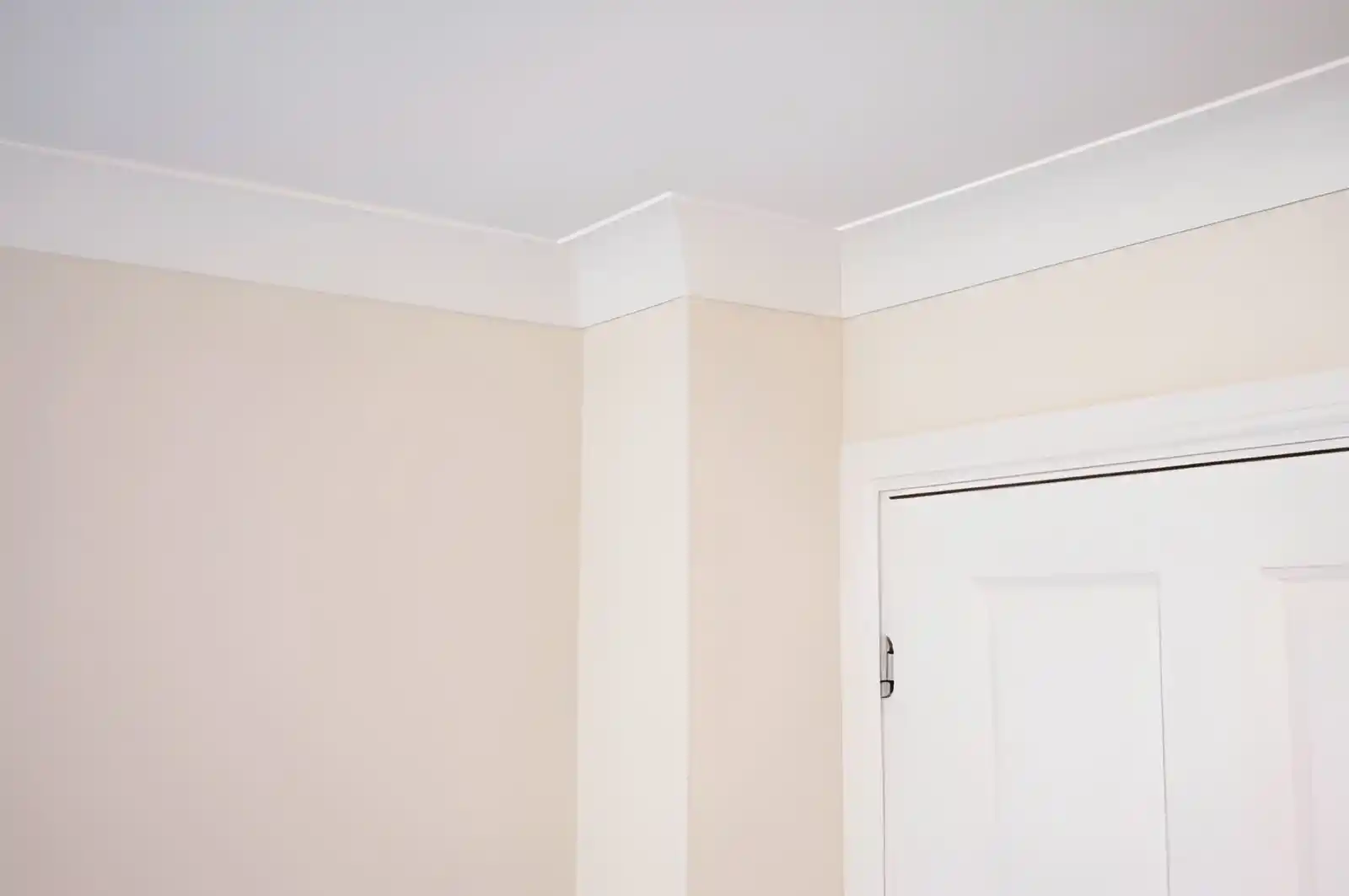
How much does coving cost in Ireland? Coving is one of those subtle design features that can completely transform a room. Installed where the wall meets the ceiling, it softens sharp angles and adds architectural character—whether you’re aiming for a classic Georgian feel or a sleek modern finish.
In Ireland, coving has seen a strong resurgence in recent years. Homeowners upgrading period properties, families extending modern homes, and developers finishing high-end interiors are all turning to coving as a cost-effective way to elevate a space.
Social media platforms like Pinterest and Instagram have also fueled demand, showcasing everything from ornate plaster cornices to minimalist LED-integrated designs.
But one of the most common questions remains: how much does coving cost in Ireland in 2026?
This guide breaks down everything you need to know:
- Material costs (from budget to premium)
- Labour and installation pricing
- Real-world room examples
- Hidden costs you might not expect
Average Coving Costs in Ireland (2026 Overview)
Coving prices in Ireland vary significantly depending on the material you choose and the complexity of installation.
Typical Cost Per Metre
- Polystyrene coving: €3–€10 per metre
- Polyurethane coving: €10–€25 per metre
- Plaster coving: €15–€40+ per metre
Average Cost Per Room
For a standard Irish room (approx. 12–20m perimeter):
- Budget option: €100–€300
- Mid-range: €250–€700
- Premium: €600–€1,500+
Comparison Table
| Material | Cost per metre | Durability | Finish Quality | Installation |
|---|---|---|---|---|
| Polystyrene | €3–€10 | Low | Basic | Easy (DIY) |
| Polyurethane | €10–€25 | High | Excellent | Moderate |
| Plaster | €15–€40+ | Very high | Premium | Skilled |
Key takeaway: The total cost depends heavily on both the material you choose and the complexity of installation.
👉 See full breakdown in How much does it cost to have coving fitted in Ireland?
Coving Material Costs Explained
Polystyrene Coving Costs
Polystyrene is the most affordable option on the market. It’s lightweight, easy to cut, and ideal for DIY installations.
Pros:
- Very low cost
- Easy to install
- Widely available
Cons:
- Less durable
- Can dent or warp
- Lower-end appearance
This is best suited for quick upgrades or rental properties.
👉 Compare materials in Polystyrene vs plaster coving: which is cheaper?
Polyurethane Coving Costs
Polyurethane sits in the sweet spot between cost and performance. It has become increasingly popular in Ireland due to its durability and versatility.
Why homeowners love it:
- Moisture-resistant (ideal for kitchens and bathrooms)
- Lightweight but strong
- Crisp, high-quality finish
This is often the best choice for homeowners who want a designer look without plaster-level costs.
Plaster Coving Costs
Plaster coving is the premium option, commonly found in period homes across Dublin, Cork, and Galway.
Advantages:
- Authentic, traditional appearance
- Extremely durable
- Adds real property value
Drawbacks:
- Expensive material and labour
- Heavy and harder to install
- Requires skilled tradespeople
Plaster is ideal for heritage properties or high-end renovations where authenticity matters.
Specialist Coving (LED & Designer Profiles)
Modern coving has evolved beyond traditional styles. LED-integrated coving is now a major trend, especially in contemporary homes and commercial spaces.
These systems:
- Hide LED strip lighting
- Create ambient, indirect lighting
- Add a high-end architectural feel
Suppliers like Gaudi Coving offer a wide range of modern and classic profiles designed for both homeowners and trade professionals.
Labour & Installation Costs in Ireland
Material is only part of the equation—installation can significantly impact your total cost.
Typical Labour Costs
- €5–€20+ per metre
- €150–€300 per day for tradespeople
What Affects Labour Costs?
- Ceiling height
- Number of corners and joints
- Intricate designs
- Property condition (new build vs renovation)
For example, installing simple coving in a new build is far cheaper than fitting ornate plaster in an older home with uneven walls.
Cost Per Room: Real Examples
To make things clearer, here are realistic Irish pricing scenarios:
Small Bedroom
- Cost: €150–€400
- Typically uses polystyrene or basic polyurethane
Living Room
- Cost: €300–€900
- Often mid-range polyurethane for balance of style and durability
Open-Plan Space
- Cost: €800–€2,000+
- Larger perimeter + more complex installation
High-End Renovation (Dublin Example)
- Cost: €2,000–€5,000+
- Includes plaster coving, ceiling roses, and intricate detailing
Labour costs tend to be higher in Dublin and commuter counties compared to rural areas.
Cost to Remove or Replace Coving
If you’re renovating, you may need to remove or replace existing coving.
Typical Costs
- Removal: €5–€15 per metre
- Replacement: €20–€60+ per metre (including new materials)
Hidden Costs
- Wall and ceiling repairs
- Repainting
- Waste disposal
Sometimes, repairing existing coving is more cost-effective than full replacement.
👉 Full guide here: How much does it cost to remove or replace coving?
How Much Coving Do You Need? (Cost Planning)
Before buying, you’ll need to calculate how much coving your room requires.
Simple Method
- Measure the perimeter of the room
- Add 10–15% extra for waste
- Multiply by cost per metre
Example:
- Room perimeter: 16m
- Add 10% waste: 17.6m
- Multiply by €15/m = €264 total material cost
👉 Step-by-step measuring guide: How much coving do I need? Costs & measuring guide
What Affects the Cost of Coving?
Material Choice
The biggest cost driver—plaster vs polystyrene can double or triple your budget.
Room Size & Layout
Larger rooms require more material and labour.
Ceiling Height
Higher ceilings increase installation difficulty.
Installation Complexity
More corners, curves, or intricate designs = higher labour costs.
Location in Ireland
Urban areas like Dublin typically have higher labour rates.
Moisture & Room Type
Bathrooms and kitchens require moisture-resistant materials like polyurethane.
DIY vs Professional Installation
DIY Costs
- Lower upfront cost
- Ideal for polystyrene or simple designs
- Requires time and precision
Professional Installation
- Higher cost but superior finish
- Essential for plaster or complex profiles
- Faster and more reliable
For trade professionals, efficiency is key—reliable materials and easy installation reduce labour time and costs.
Cost Comparison: Coving vs Other Interior Finishes
Coving vs Skirting Boards
Coving enhances ceiling lines, while skirting protects walls—both complement each other.
Coving vs Wall Panelling
Wall panelling is more expensive but creates a stronger visual impact.
Property Value Impact
Coving adds a “finished” look that can increase perceived property value, especially in high-end homes.
Is Coving Worth the Cost in 2026?
In most cases—yes.
Why It’s Worth It
- Enhances visual appeal instantly
- Relatively low cost compared to other upgrades
- Appeals to buyers and renters
Where It’s Most Popular
- Home renovations
- Airbnb upgrades
- Developer projects
The “before and after” effect is often dramatic, making coving one of the highest ROI interior upgrades.
Cost-Saving Tips for Irish Homeowners
- Choose polyurethane for balance of cost and durability
- Install one room at a time
- Buy in bulk where possible
- Use moisture-resistant materials in key areas
- Work with trusted suppliers like Gaudi Coving
Trade & Professional Buying Considerations
For builders, designers, and contractors:
- Bulk pricing reduces overall costs
- Consistent profiles ensure design continuity
- Faster installation saves labour
- Reliable suppliers prevent delays
- Technical specs are essential for compatibility
Trade professionals often prioritise efficiency and reliability over lowest cost.
FAQs
Final Thoughts: Choosing the Right Coving for Your Budget
Coving is one of the simplest ways to elevate your home’s interior—but choosing the right option depends on balancing cost, durability, and style.
- Homeowners should focus on aesthetics, longevity, and ease of installation
- Trade professionals should prioritise efficiency, consistency, and supplier reliability
Whether you’re upgrading a single room or managing a full renovation, taking the time to compare materials, calculate accurate costs, and plan installation properly will ensure the best results.