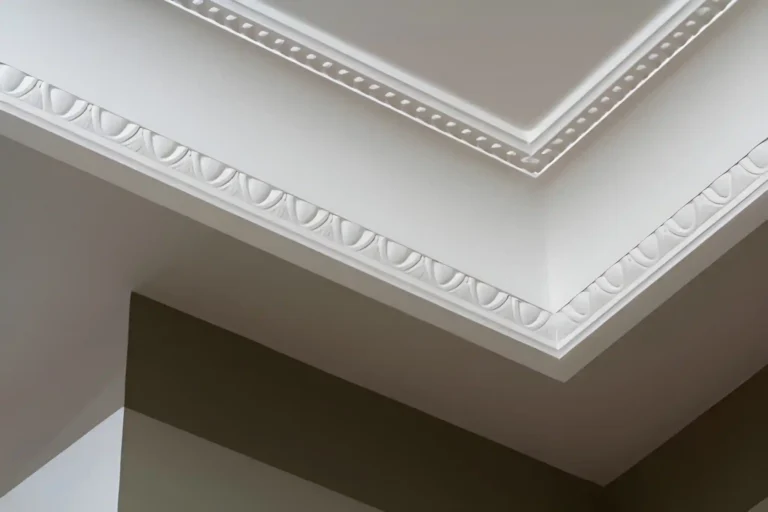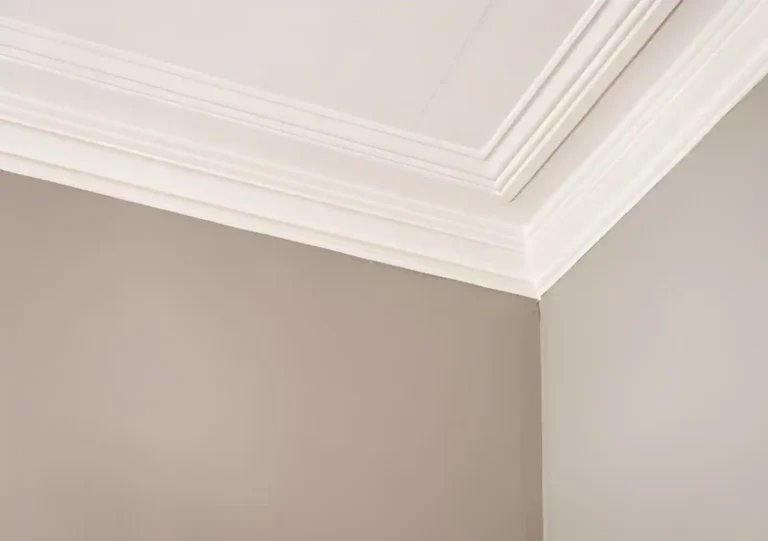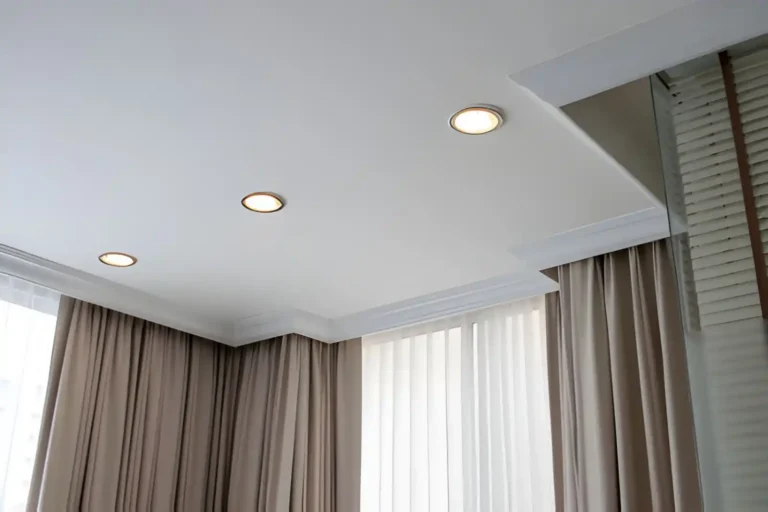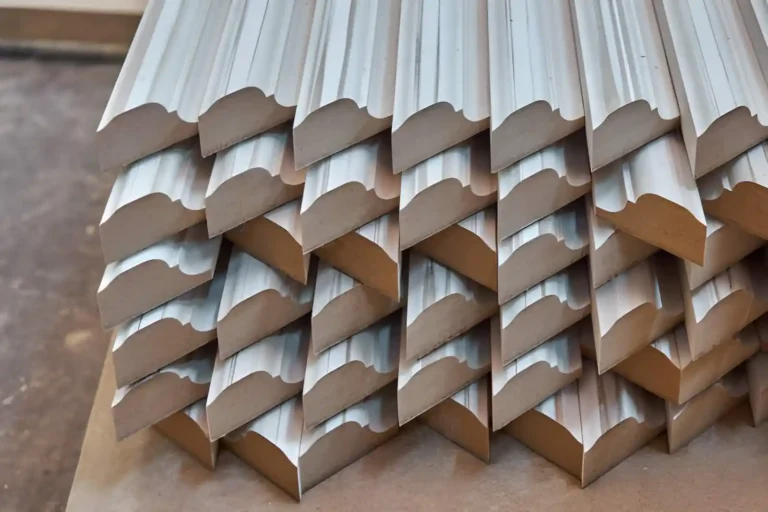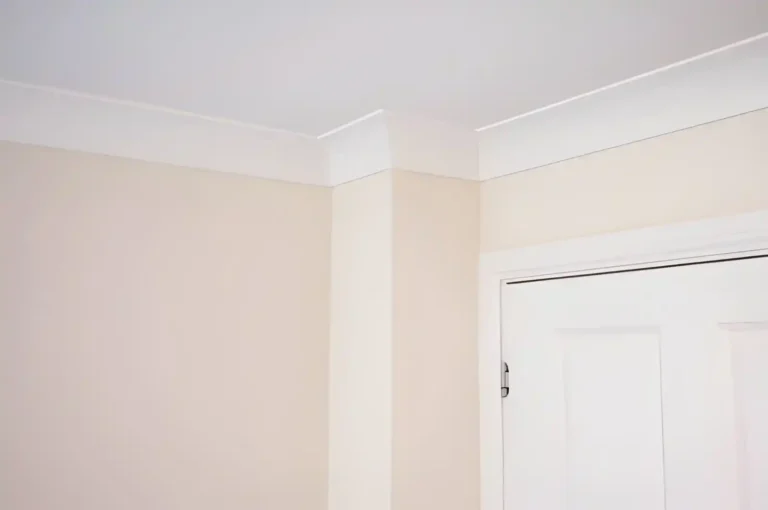
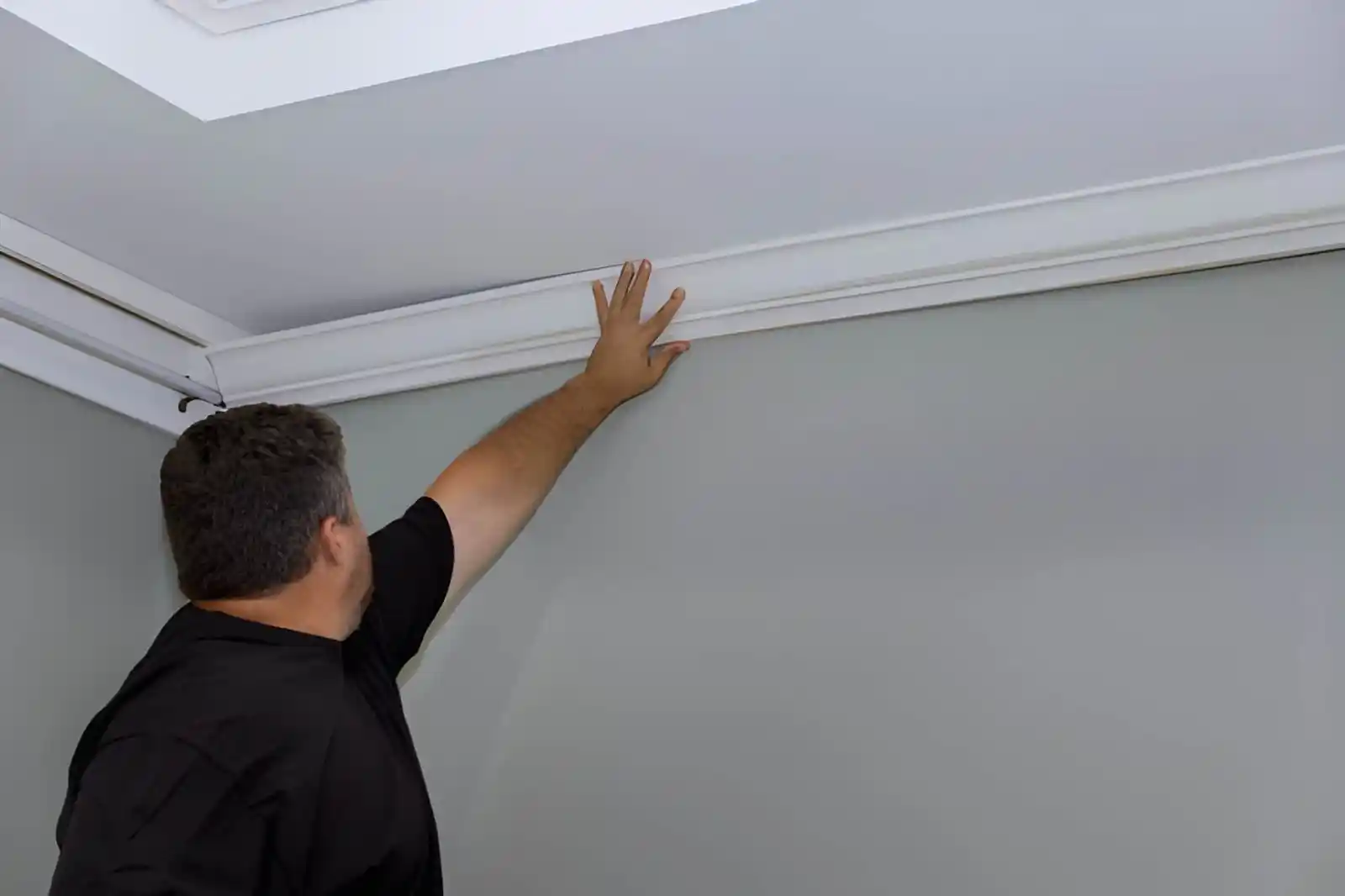
If you’ve been researching coving for your home, you’ve probably asked yourself: is coving a plasterer’s job, or can I do it myself?
It’s a fair question—and one that comes up frequently among Irish homeowners upgrading their interiors. Coving adds that subtle architectural finish that transforms a room from plain to polished. But installation can feel intimidating if you’ve never done it before.
The honest answer? It depends on three things: the material you choose, the complexity of your space, and the finish you expect.
Traditionally, coving was very much a plasterer’s domain. But modern innovations—especially lightweight, moisture-resistant options like Gaudi Coving—have made it far more accessible to DIY renovators and general trades.
👉 Not sure how difficult coving is overall? See our full guide: “Is coving easy to fit yourself? Honest DIY guide”
In this article, we’ll break down exactly who installs coving today, whether you can realistically do it yourself, and how to choose the right approach for your home or project.
Is Coving Traditionally a Plasterer’s Job?
Why Plasterers Were Historically Needed
For decades, coving installation was firmly in the hands of plasterers—and for good reason.
Traditional plaster coving is:
- Heavy and fragile
- Difficult to cut precisely
- Installed using wet plaster adhesives
Getting a clean finish requires:
- Accurate mitre cuts for corners
- Skilled handling to avoid cracks
- Proper bonding to walls and ceilings
Because of this, plaster coving was typically installed during:
- New builds
- Major renovations
- Period property restorations
It wasn’t something most homeowners would attempt themselves.
When a Plasterer Is Still the Best Choice
Even today, there are situations where hiring a plasterer is absolutely the right decision:
- Large rooms with multiple angles
- Ornate or decorative cornices
- High ceilings requiring scaffolding
- Heritage or period home restoration
For homeowners in Dublin, Cork, or Galway restoring period properties, a plasterer ensures authenticity and a flawless finish—something that aligns with high-end renovation expectations.
Which Tradesman Installs Coving Today?
If you’re wondering “which tradesman does coving?”, the answer has expanded significantly.
Common Professionals Who Fit Coving
Today, coving installation isn’t limited to plasterers. You’ll commonly see:
- Plasterers (still used for traditional materials)
- Carpenters or joiners (especially for timber mouldings)
- General builders
- Interior fit-out specialists
This shift reflects the growing use of modern materials that are easier to handle and install.
What About Interior Designers & Architects?
Interior designers and architects—especially those working on mid-to-high-end Irish homes—often specify coving as part of a broader design scheme.
They typically recommend:
- Clean, contemporary profiles
- Durable, moisture-resistant materials
- Consistent finishes across multiple rooms
This is where products from Gaudi Coving stand out, offering both aesthetic quality and installation efficiency.
“Who Does Coving Near Me?”
If you’re searching locally, you’ll likely find that:
- Builders and renovation contractors often include coving as part of their service
- Specialist decorative moulding installers exist for premium projects
When choosing a professional, look for:
- Real installation photos
- Clean, seamless corner joints
- Experience with modern, moisture-resistant materials
Can Anyone Install Coving? (The Honest Answer)
Yes — But It Depends on the Material
Here’s the key distinction:
- Plaster coving → difficult, best left to professionals
- Polyurethane or polystyrene coving → much more DIY-friendly
Modern coving materials are:
- Lightweight
- Easy to cut
- Installed using adhesive rather than plaster
👉 Want a full comparison? Read: “Is polystyrene coving easy to install vs plaster coving?”
Skills You Actually Need
You don’t need to be a tradesperson—but you do need some basic DIY skills:
- Measuring accurately
- Cutting angles using a mitre box
- Applying adhesive evenly
- Taking your time with alignment
Patience matters more than experience.
Why DIY Coving Is Growing in Ireland
DIY coving has surged in popularity across Ireland, especially among homeowners aged 30–60 renovating their homes.
Key reasons include:
- Influence from Pinterest and Instagram interiors
- Desire for “designer finishes” without high labour costs
- Availability of easy-install products
For many homeowners, coving is now a weekend project rather than a specialist job.
DIY vs Hiring a Professional: What’s the Real Difference?
DIY Coving – Pros & Cons
Pros:
- Lower overall cost
- Flexible timing
- Ideal for smaller rooms or single upgrades
Cons:
- Risk of uneven joints
- Learning curve for beginners
- Takes longer if you’re new
Professional Installation – Pros & Cons
Pros:
- Flawless finish
- Faster completion
- Ideal for high-end or large-scale projects
Cons:
- Labour costs
- Scheduling availability
For trade professionals and developers, hiring experienced installers ensures consistency across projects—critical for maintaining reputation and timelines.
Why Material Choice Changes Everything
Traditional Plaster Coving
- Heavy and fragile
- Requires skilled handling
- Prone to cracking over time
Modern Coving (Polyurethane / Polystyrene)
- Lightweight and easy to handle
- Pre-primed and paint-ready
- Moisture-resistant (ideal for Irish homes)
This directly addresses common homeowner concerns like:
- Cracking
- Warping
- Moisture damage
Why Homeowners Are Choosing Gaudi Coving
Gaudi Coving is increasingly popular among both DIY homeowners and trade professionals.
It offers:
- Clean, consistent profiles
- Easy installation with adhesive systems
- Durability in high-moisture areas
It’s especially suitable for:
- Kitchens
- Bathrooms
- New builds and modern extensions
For homeowners aiming for a “designer look” without complexity, it strikes the right balance.
Step-by-Step Overview: What Coving Installation Actually Involves
Tools & Materials Needed
- Coving lengths
- Adhesive
- Mitre box or saw
- Measuring tools
Basic Installation Steps
- Measure and mark your walls
- Cut coving at the correct angles
- Apply adhesive evenly
- Fix coving in place
- Fill joints and smooth the finish
👉 For a full breakdown, read: “Is coving easy to fit yourself? Honest DIY guide”
Common Mistakes (And How to Avoid Them)
Even with DIY-friendly materials, mistakes can happen.
Common issues include:
- Misaligned corners
- Uneven adhesive application
- Ignoring uneven ceilings
- Choosing the wrong material
These often lead to:
- Cracking
- Gaps
- Poor visual finish
The key is preparation and choosing quality materials designed for easy installation.
DIY Costs
- Materials only
- Ideal for budget-conscious upgrades
- Perfect for single-room projects
Professional Costs
- Labour + materials
- Higher upfront investment
- Worth it for:
- Larger homes
- Complex layouts
- Premium finishes
For many Irish homeowners, a hybrid approach works best—DIY in simpler rooms and hiring professionals for larger spaces.
When Should You Definitely NOT DIY Coving?
There are situations where DIY simply isn’t worth the risk:
- Period property restoration
- Intricate cornice designs
- Large open-plan spaces
- Tight renovation deadlines
In these cases, professional installation ensures both quality and efficiency.
Best Coving Choice for Irish Homes (Based on Your Situation)
For DIY Homeowners
- Lightweight, easy-to-install materials
- Moisture-resistant options
- Example: Gaudi Coving
For Trade Professionals
- Reliable, consistent products
- Fast installation to reduce labour costs
- Bulk availability
For Developers & Commercial Projects
- Lightweight for speed
- Durable for long-term use
- Clean, modern profiles
Is Coving a Plasterer’s Job or DIY Friendly? – FAQs
Conclusion
Coving is no longer just a plasterer’s job—and that’s good news for homeowners.
Thanks to modern materials, it’s now entirely possible to achieve a high-end, architectural finish without specialist skills. Whether you choose to DIY or hire a professional depends on your project size, budget, and desired finish.
For many Irish renovators, the sweet spot lies in using easy-to-install, durable products from Gaudi Coving, which combine professional results with DIY simplicity.
Ultimately, coving is one of the most effective ways to elevate your home’s interior—and now, it’s more accessible than ever.