Does coving add value to your home? When renovating your home, one question comes up again and again: will this actually add value? From kitchens to extensions, every decision is weighed against return on investment. But what about smaller design details like coving?
In Ireland, there’s been a clear shift toward more refined interiors, with homeowners investing in architectural detailing that elevates everyday spaces. Coving sits right at the intersection of style and value — subtle, but impactful.
And while many homeowners are still asking whether coving is in fashion, the more practical question is this: does coving actually increase property value?
Let’s break it down.
What Is Coving and Why Does It Matter in Property Value?
Quick Definition of Coving
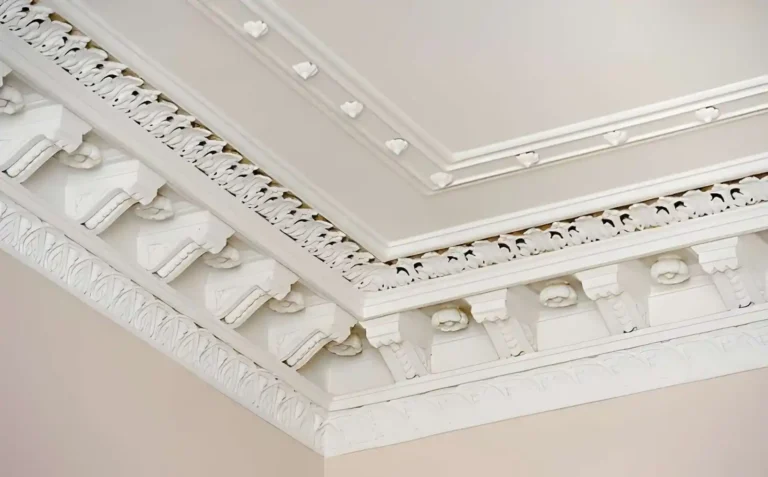
Coving is a decorative moulding installed where the wall meets the ceiling. It softens the transition between surfaces, replacing a sharp 90-degree angle with a smooth, curved or stepped profile.
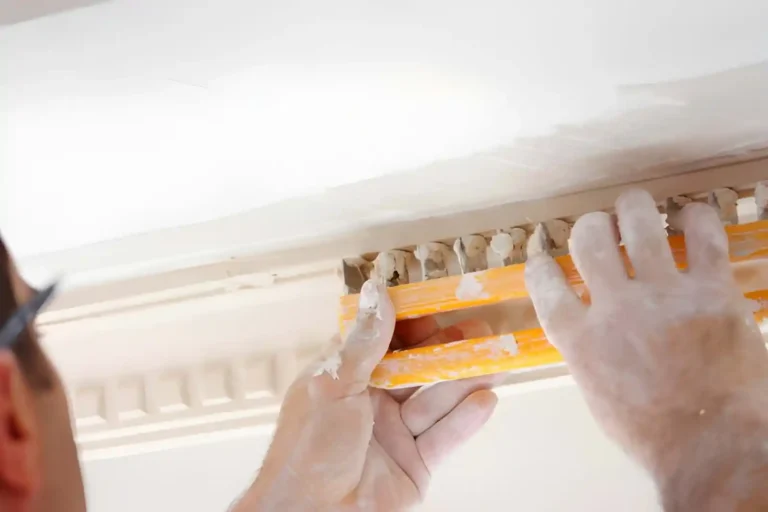
Traditionally made from plaster, modern coving is now widely available in polyurethane and polystyrene — offering improved durability, moisture resistance, and ease of installation.
Premium options from Gaudi Coving take this a step further, combining high-end design with modern materials to achieve a designer finish without the drawbacks of traditional plaster.
The Role of Architectural Detail in Home Valuation
When buyers walk into a property, they’re not just evaluating square footage — they’re reacting emotionally to the space.
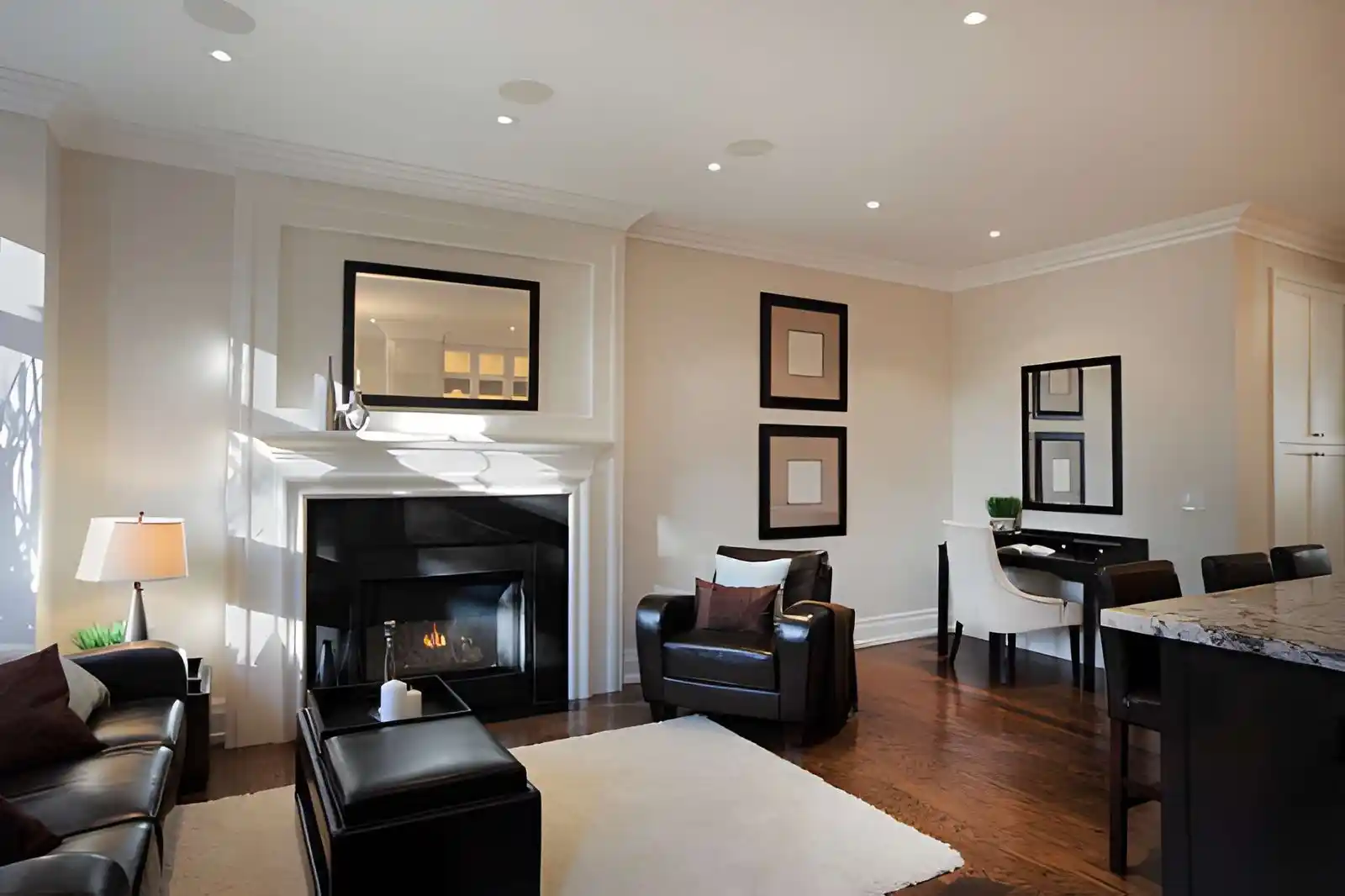
Details like coving create a sense of completeness. A room without it can feel plain or unfinished, while a well-finished ceiling line subtly signals quality.
This is where coving adds value:
- It enhances perceived craftsmanship
- It elevates the overall finish
- It helps a property stand out in a competitive market
In short, coving contributes more to perceived value than direct valuation — but that perception can strongly influence buyer decisions.
Does Coving Actually Increase Property Value?
The Short Answer
Yes — but context matters.
Coving doesn’t usually add a measurable line-item increase to your property valuation. However, it significantly boosts perceived value, which can lead to:
- Faster sales
- Stronger buyer interest
- Better offers
If you’re exploring whether does coving add value, the real takeaway is this: it enhances how valuable your home feels.
Where Coving Adds the Most Value
Coving delivers the best return in:
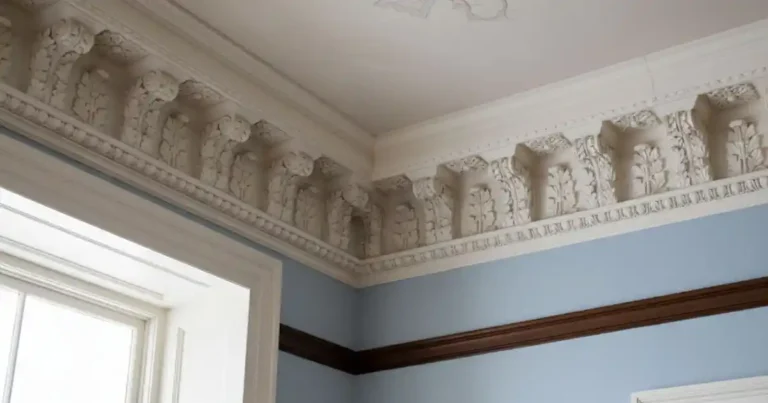
- Period homes – where it restores architectural authenticity
- High-end renovations – where detail is expected
- Key rooms – living rooms, hallways, and master bedrooms
In these settings, coving feels intentional — not decorative for the sake of it, but part of a cohesive design.
Where Coving Adds Less Value
There are situations where coving may not have the same impact:
- Ultra-minimalist new builds
- Poorly installed coving with visible joins or gaps
- Outdated, overly ornate styles in modern interiors
In these cases, coving can feel mismatched rather than enhancing.
5 Ways Coving Increases Perceived Property Value
1. Creates a “Finished” Look Buyers Expect
One of the biggest benefits of coving is how it completes a room.
Without it, the wall-to-ceiling junction can feel abrupt. With it, the transition becomes seamless — giving the space a polished, intentional finish.
2. Enhances Ceiling Height and Space
Coving subtly draws the eye upward, making ceilings feel higher and rooms feel more spacious.
This is especially valuable in Irish semi-detached homes, where ceiling height isn’t always generous.
3. Signals Quality Craftsmanship
Buyers often associate mouldings with premium homes.
For design-conscious homeowners and professionals, coving communicates:
- Attention to detail
- Investment in quality
- A “designer” finish
4. Aligns with Interior Design Trends
Modern coving has evolved significantly.
Clean lines, minimalist profiles, and even LED-integrated options mean coving is far from outdated. In fact, it’s very much aligned with current interior trends — especially when done right.
5. Boosts Photography & Listing Appeal
In today’s market, first impressions often happen online.
Coving enhances:
- Property photos
- Lighting and shadows
- Overall visual appeal
Better visuals lead to more clicks — and more interest.
When Coving Can Hurt Property Value
Outdated or Overly Ornate Styles
Heavy, traditional coving can clash with modern interiors. If it feels out of place, it may detract rather than add value.
Poor Installation Quality
Cracks, gaps, and uneven joins are immediate red flags for buyers.
This is a key concern for both homeowners and trade professionals — poor installation undermines the entire effect.
Cheap Materials That Warp or Shrink
Low-quality materials can:
- Warp over time
- Crack at joints
- Deteriorate in humid environments
This is why many professionals now prefer polyurethane coving for its durability and stability.
Is Coving Worth It for Homeowners?
Cost vs Value Breakdown
Coving is relatively affordable compared to other renovations.
Costs typically include:
- Materials
- Installation (if not DIY)
The return comes less from direct price increase and more from:
- Improved presentation
- Faster sale times
- Stronger buyer perception
Ideal for Renovation Phases
Coving is easiest to install during:
- Repainting
- Ceiling work
- Full room renovations
If you’re unsure whether it’s right for your home, see:
Coving or no coving? How to decide for your home
What Buyers in Ireland Are Actually Looking For (2026 Trends)
Rise of Subtle, Modern Coving
Today’s buyers prefer clean, understated profiles over decorative designs.
Demand for Moisture-Resistant Materials
In kitchens, bathrooms, and coastal homes, durability matters.
Moisture-resistant materials like polyurethane are increasingly expected.
Influence of Instagram & Pinterest Interiors
Irish homeowners are more design-aware than ever.
They want:
- A “designer look”
- Affordable upgrades
- Cohesive, stylish interiors
Coving fits perfectly into this trend.
Best Types of Coving for Adding Property Value
Polyurethane Coving (Recommended)
- Lightweight
- Easy to install
- Moisture-resistant
- Crack-resistant
This is the go-to choice for both homeowners and professionals.
LED Coving for Modern Homes
LED-integrated coving is growing in popularity, especially in new builds.
It adds:
- Ambient lighting
- A luxury feel
- Strong visual impact
Decorative Cornices for Period Homes
For traditional properties, more detailed cornices can enhance authenticity.
If you’re considering this, explore:
Are cornices still in style?
How to Maximise Value When Installing Coving
Choose the Right Profile for Your Home
Match coving style to your architecture:
- Minimal for modern homes
- Decorative for period properties
Keep It Consistent Across Rooms
Consistency creates flow — and increases perceived quality.
Use Professional Installation or Easy-Fit Systems
Whether you’re a homeowner or trade professional, ease of installation matters.
Reliable systems reduce:
- Labour time
- Errors
- Long-term issues
Pair with Other Mouldings
Coving works best as part of a broader design:
For styling ideas, see:
How to make coving look modern
Coving vs No Coving — Which Adds More Value?
In most cases, coving adds more value than leaving ceilings plain.
However, there are exceptions:
- Ultra-minimalist designs
- Industrial-style interiors
Expert Insight: What Estate Agents & Designers Say
Estate agents rarely assign a specific value increase to coving.
But they consistently note improvements in:
- Saleability
- Buyer interest
- Emotional appeal
The reality is simple:
Coving doesn’t just add value — it helps your home sell faster and feel premium.
Does Coving Add Value to Home? – FAQs
Conclusion: Is Coving Worth It in 2026?
In 2026, coving remains a smart, design-led upgrade — not because it dramatically increases valuation, but because it enhances how your home is perceived.
When done right, it:
- Elevates interior quality
- Improves buyer appeal
- Supports faster, stronger sales
The key is getting three things right:
- Style — match your home
- Material — choose durable options
- Installation — ensure a clean finish
If you’re aiming for a refined, high-end look, Gaudi Coving offers a premium solution that aligns with both homeowner expectations and trade standards.