
Cornice vs pelmet vs valance: what’s the difference? If you’ve been researching interior finishes, you’ve probably come across terms like cornice, pelmet, and valance—and wondered if they all mean the same thing. You’re not alone. These features are often confused, especially during renovations when both ceiling detailing and window treatments are being planned at the same time.
Understanding the difference between a cornice, pelmet, and valance is essential if you want your space to feel cohesive, functional, and professionally finished. Whether you’re a homeowner upgrading your interiors or a trade professional managing multiple projects, choosing the right feature can dramatically impact the final look.
If you’re comparing ceiling mouldings more broadly, see our guide on coving vs cornice: what’s the difference? for a deeper architectural breakdown.
What Is a Cornice?
Definition & Purpose
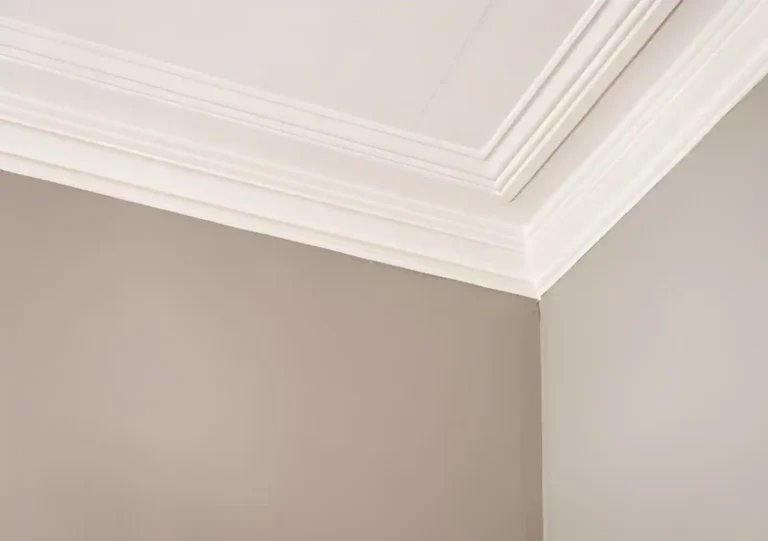
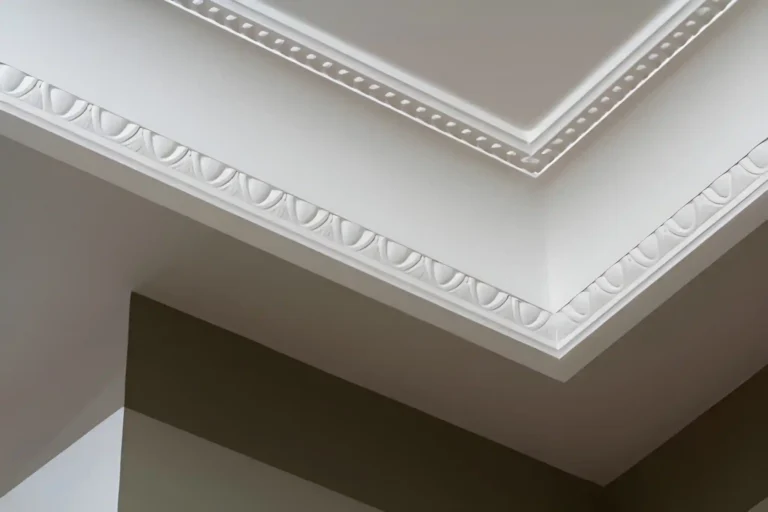
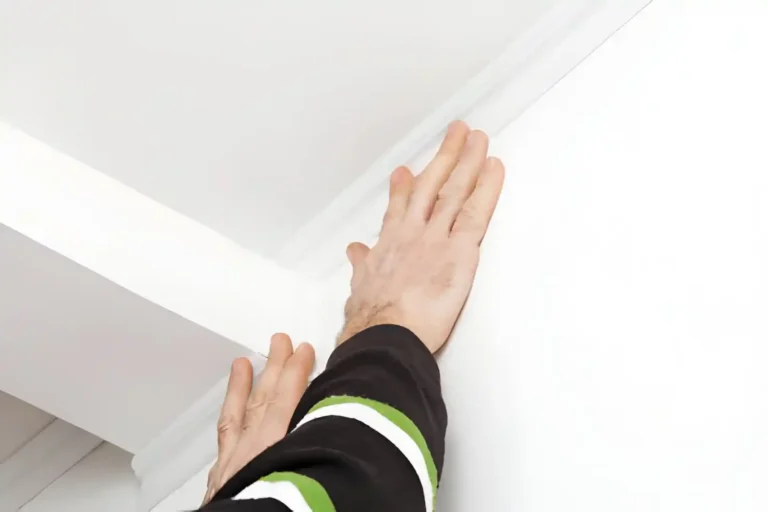
A cornice is a decorative moulding installed where the wall meets the ceiling. Its primary role is to create a smooth, visually appealing transition between vertical and horizontal surfaces. Beyond function, it adds architectural character and elevates the overall aesthetic of a room.
Where Cornices Are Used
Cornices are versatile and can be used throughout the home, including:
- Living rooms
- Hallways
- Bedrooms
They work equally well in traditional interiors and modern spaces, depending on the profile you choose.
Modern Cornice Options
Today’s cornices have evolved far beyond traditional plaster. Modern options include:
- Lightweight polyurethane: Easier to install and highly durable
- Moisture-resistant materials: Ideal for kitchens and bathrooms
- LED-integrated cornices: Perfect for contemporary homes seeking ambient lighting
These innovations make cornices more accessible and practical for both homeowners and trade professionals.
Design Insight for Irish Homes
Cornices are particularly popular in Irish homes, especially:
- Period properties in Dublin and Cork
- High-end renovations and extensions
For those seeking a premium finish, Gaudi Coving offers a design-forward option that blends classical elegance with modern minimalism—ideal for creating a “designer” look without excessive cost.
What Is a Pelmet?
Definition & Purpose
A pelmet is a rigid structure installed above a window to conceal curtain rails or tracks. Unlike a cornice, which is part of the ceiling, a pelmet is directly tied to window treatments.
Key Features
Pelmets are typically:
- Made from wood, MDF, or upholstered board
- Box-like in shape
- Structured and tailored in appearance
They provide a clean, finished look while hiding functional hardware.
When to Use a Pelmet
Pelmets are especially useful in:
- Bedrooms where blackout curtains are needed
- Formal interiors requiring a polished finish
- Projects where visible curtain tracks would detract from the design
Trade Insight
Interior designers and contractors often favour pelmets because they:
- Deliver consistent, clean installations
- Hide imperfections in curtain fittings
- Enhance the perceived quality of a room
For trade professionals, they’re a reliable solution when clients want both function and aesthetics.
What Is a Valance?
Definition & Purpose
A valance is a soft fabric treatment placed at the top of a window. Unlike pelmets, valances are purely decorative and do not conceal hardware.
Types of Valances
Common styles include:
- Gathered valances: Soft and relaxed
- Tailored valances: Clean and structured
- Scalloped valances: Decorative and traditional
Where Valances Work Best
Valances are best suited to:
- Traditional interiors
- Cottage-style homes
- Layered window treatments
They add warmth and softness, making them ideal for spaces that need a more inviting feel.
Cornice vs Pelmet vs Valance – Key Differences
Quick Comparison Table
| Feature | Cornice | Pelmet | Valance |
|---|---|---|---|
| Placement | Ceiling (wall junction) | Above window | Top of curtains |
| Material | Rigid (plaster/polyurethane) | Rigid (wood/MDF/upholstered) | Soft fabric |
| Function | Architectural detail | Conceal curtain hardware | Decorative only |
| Installation | Moderate | Moderate | Easy |
The Core Distinction
- Cornice = Architectural ceiling feature
- Pelmet = Structural window covering
- Valance = Soft decorative fabric
This is the key difference to remember when deciding which option suits your space.
Which One Should You Choose?
For Homeowners (Renovators)
If you’re renovating your home and wondering which should I choose, here’s a simple guide:
- Choose a cornice if:
- Your room feels plain or unfinished
- You want a high-end, architectural finish
- Choose a pelmet if:
- You want to hide curtain tracks
- You need better light control in bedrooms
- Choose a valance if:
- You prefer a softer, more traditional look
- You’re styling a cosy or classic interior
For Trade Professionals
For professionals managing projects at scale:
- Cornices:
- Offer a consistent, repeatable finish
- Lightweight options reduce labour time
- Ideal for both modern and traditional builds
- Pelmets:
- Practical for hotels, apartments, and residential builds
- Improve installation efficiency
- Valances:
- Highly style-dependent
- Best used when specified by interior designers
Can You Combine Cornices with Pelmets or Valances?
Yes—because they serve different purposes, they can work together beautifully.
Examples include:
- Cornice + concealed pelmet: Creates a clean, modern finish with hidden hardware
- Cornice + valance: Adds depth and softness in traditional interiors
The key is balance—each element should complement, not compete with, the others.
Common Mistakes to Avoid
When planning your interiors, avoid these common pitfalls:
- Confusing cornices with window treatments
- Overdecorating by combining too many features
- Ignoring moisture resistance in kitchens and bathrooms
- Choosing low-quality materials that crack, warp, or shrink over time
Investing in durable, moisture-resistant products ensures long-term performance and a better finish.
Related Moulding Decisions
If you’re still exploring your options, these guides can help:
- Coving vs architrave: are they the same thing?
- Coving vs skirting boards: differences & when to use each
- Coving vs picture rail: do you need both?
These resources are especially useful for homeowners and professionals who research thoroughly before making decisions.
Cornice vs Pelmet vs Valance: What’s the Difference – FAQs
Conclusion
Understanding the difference between a cornice, pelmet, and valance helps you make better design decisions and achieve a more polished result.
- Cornice = Ceiling detail that adds architectural interest
- Pelmet = Functional structure that hides curtain hardware
- Valance = Decorative fabric that softens a space
The best option depends on your goals, your style, and the room you’re working on. Whether you’re upgrading a single room or managing a full renovation, choosing high-quality, moisture-resistant, and easy-to-install materials will ensure long-lasting results.
If you’re aiming for a refined, designer-approved finish, consider investing in premium cornices that combine durability with aesthetic impact.