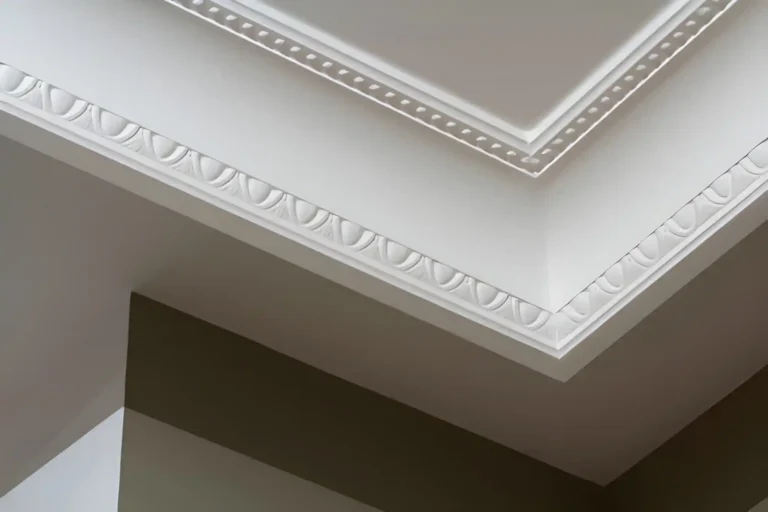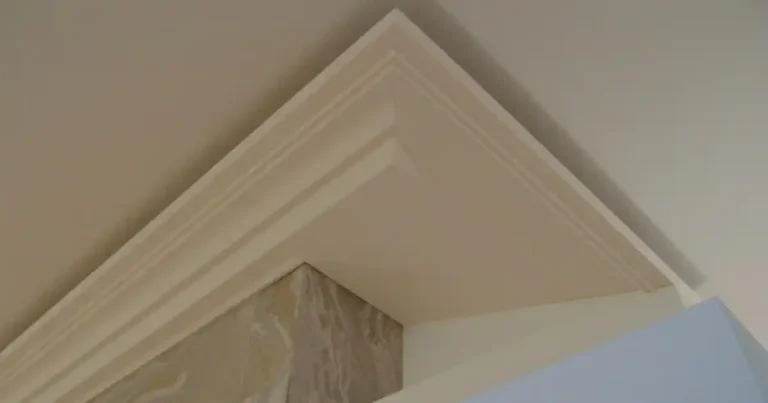
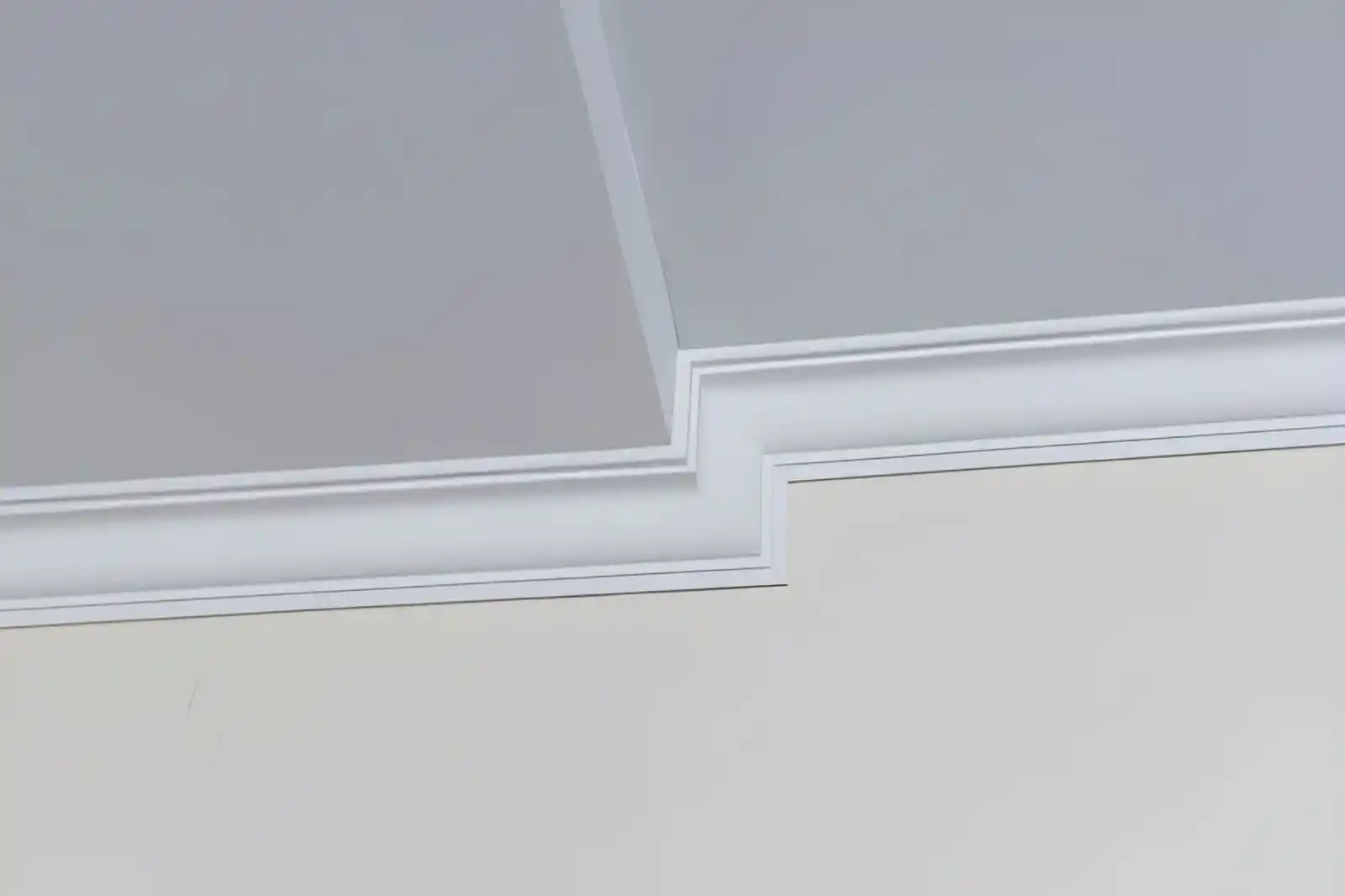
What is XPS coving? XPS coving, short for extruded polystyrene coving, is a modern ceiling moulding solution designed to deliver clean architectural detail without the weight, cost, or complexity of traditional materials.
In Ireland, it’s quickly becoming a go-to choice for both homeowners and trade professionals. Whether you’re renovating a period property in Dublin, upgrading a new build in Cork, or fitting out multiple units as a contractor, XPS coving offers a practical balance of durability, affordability, and ease of installation.
Compared to plaster or standard polystyrene, XPS sits in the sweet spot: more refined than budget options, yet far easier to work with than heavy, traditional materials. It’s especially popular in moisture-prone areas like kitchens and bathrooms, as well as fast-paced renovation projects.
What Is XPS Coving?
XPS coving is made from extruded polystyrene, a high-performance foam created through an extrusion process. This manufacturing method produces a closed-cell structure, resulting in a material that is denser, smoother, and more durable than standard expanded polystyrene (EPS).
Unlike EPS (the lightweight, bead-like foam often used in cheaper coving), XPS has:
- A more refined surface finish
- Greater structural consistency
- Improved moisture resistance
The key takeaway: XPS coving delivers a noticeably higher-quality finish while remaining lightweight and easy to install.
What Is Polymer Coving? (And Where XPS Fits In)
“Polymer coving” is a broad term used to describe modern coving materials made from synthetic compounds rather than traditional plaster or timber.
This category includes:
- Polyurethane coving
- Duropolymer coving
- XPS coving
Each sits at a different price and performance level. XPS is typically positioned as:
- A lightweight
- cost-effective
- practical entry point into polymer-based mouldings
It offers better durability than basic polystyrene, while remaining more affordable than high-density polyurethane.
For a deeper breakdown of premium polymer options, see our guide on what is polyurethane coving.
What Is NMC Coving?
A common source of confusion is the term “NMC coving.” NMC is not a material—it’s a European manufacturer known for producing high-quality decorative mouldings.
Their product range includes:
- High-density polystyrene coving
- Polymer-based mouldings
- Modern and classic profile designs
When people search for “NMC coving,” they’re typically referring to branded, reliable products with consistent quality and finish—something especially important for trade professionals managing multiple installations.
Key Properties of XPS Coving
Lightweight & Easy to Install
XPS coving is extremely lightweight, making it ideal for:
- DIY homeowners tackling their first renovation
- Trades looking to reduce installation time and labour costs
No heavy lifting, no specialist tools—just efficient fitting.
Smooth Surface Finish
Unlike cheaper alternatives, XPS coving features a:
- Clean, uniform surface
- Pre-primed, paint-ready finish
This results in a sharper, more professional look—perfect for homeowners aiming for a “designer” interior without overspending.
Moisture Resistance
A major advantage in Irish homes, XPS is:
- Resistant to humidity
- Suitable for kitchens, bathrooms, and utility rooms
This directly addresses a key concern: avoiding warping, swelling, or long-term damage.
Dimensional Stability
Compared to plaster, XPS is far less prone to:
- Cracking
- Shrinking
- Movement due to temperature or humidity changes
It performs reliably in Ireland’s variable climate.
Cost-Effective Alternative
XPS offers excellent value:
- More affordable than polyurethane or plaster
- Higher quality than basic polystyrene
It’s a strong mid-range option for both homeowners and developers working within budget constraints.
Pros and Cons of XPS Coving
Pros
- Lightweight and DIY-friendly
- Affordable without looking cheap
- Moisture resistant
- Smooth, modern finish
- Fast installation (ideal for trade projects)
Cons
- Less premium feel than plaster or polyurethane
- Limited intricate detailing for period homes
- Slightly less impact-resistant than high-density polymers
XPS Coving vs Other Materials
XPS vs Plaster Coving
- Weight: XPS is significantly lighter
- Installation: XPS is faster and simpler
- Detail: Plaster offers more intricate, traditional designs
For heritage-style projects, plaster may still be preferred. For speed and practicality, XPS wins.
See full breakdown in what is plaster coving.
XPS vs Polyurethane Coving
- Cost: XPS is more budget-friendly
- Detail & durability: Polyurethane offers superior finish and strength
If you’re aiming for premium detail, polyurethane is worth considering.
XPS vs Standard Polystyrene (EPS)
- XPS: Denser, smoother, more durable
- EPS: Cheaper, but visibly lower quality
For most homeowners, XPS is the smarter upgrade.
Where Is XPS Coving Best Used?
Residential Renovations
Perfect for:
- Living rooms
- Bedrooms
- Hallways
Many homeowners start with one room and expand once they see the impact.
Bathrooms & Kitchens
Moisture resistance makes XPS ideal for:
- High-humidity environments
- Areas where plaster may fail over time
Rental & Investment Properties
XPS delivers:
- Strong visual upgrade
- Low material and labour costs
A smart way to increase perceived property value.
Trade Projects
For professionals, XPS means:
- Faster installs
- Reduced labour time
- Consistent product quality
Ideal for multi-room or multi-unit developments.
Style & Design Options (Including Gaudi Coving)
XPS coving comes in a wide range of styles, from minimalist modern profiles to subtle classical curves.
Gaudi coving is a popular option for contemporary interiors:
- Clean, architectural lines
- Works well with modern Irish homes
- Ideal for LED integration and minimalist design
For homeowners inspired by Instagram or Pinterest interiors, XPS makes it easy to achieve a polished, high-end look—without the cost of traditional plasterwork.
Installation Overview
One of the biggest advantages of XPS coving is its simplicity.
Installation typically involves:
- Adhesive fixing
- Basic cutting tools
- Minimal preparation
For homeowners, this means a manageable DIY project.
For trades, it means faster turnaround and fewer complications.
The result: easy-to-install, paint-ready solutions that save time without sacrificing finish.
Is XPS Coving Right for Your Project?
Best For:
- Budget-conscious renovations
- Quick interior upgrades
- Moisture-prone areas
- DIY installations
Not Ideal For:
- Highly ornate period restorations
- Ultra-premium, heritage-style finishes
Still unsure? Read our full coving materials comparison guide to choose the right option for your project.
What Is XPS Coving – FAQs
Conclusion
XPS coving has quickly become one of the most practical choices for modern interiors in Ireland.
It offers:
- Lightweight handling
- Affordable pricing
- Strong moisture resistance
Positioned between basic polystyrene and premium polyurethane, it’s the smart mid-range choice for homeowners and trade professionals alike.
If you’re planning a renovation or specifying materials for a project:
- Explore available styles
- Compare materials
- Order samples to see the finish firsthand
The right coving can transform a room—and XPS makes that transformation easier than ever.