
What is the best material for coving? Coving is one of those subtle design elements that can completely transform a room. Sitting at the junction between walls and ceilings, it softens harsh angles, adds architectural interest, and gives interiors a polished, finished look. Whether you’re renovating a period property in Dublin or designing a modern new build in Cork, coving plays a crucial role in elevating your space.
But not all coving is created equal.
The material you choose directly affects durability, appearance, installation difficulty, and long-term value. Some options are lightweight and DIY-friendly, while others offer heritage authenticity but require specialist installation. With Ireland’s damp climate and growing demand for high-end interior finishes, choosing the right material has never been more important.
Today’s homeowners and trade professionals are also more design-aware than ever. Inspired by Instagram, Pinterest, and renovation shows, many are seeking that “designer finish” — but without unnecessary complications or costs.
That’s where suppliers like Gaudi Coving come in, offering a wide range of modern and traditional coving solutions designed for both performance and aesthetics.
In this comprehensive guide, you’ll learn:
- The key differences between coving materials
- Pros and cons of each option
- Which material is best for your specific project
- Expert recommendations for Irish homes and commercial spaces
What Is Coving? (Quick Refresher)
Coving is a decorative moulding installed where the wall meets the ceiling. Its primary purpose is both functional and aesthetic: it hides imperfections and creates a smooth visual transition between surfaces.
Coving vs Cornice: What’s the Difference?
While often used interchangeably, there is a subtle distinction:
- Coving typically has a simpler, curved profile
- Cornice tends to be more ornate and detailed, often found in period homes
Common Coving Materials Today
Modern coving is available in a variety of materials, including:
- Plaster
- Polyurethane
- Polystyrene (EPS and XPS)
- MDF
- Vinyl and epoxy
Each material has its own strengths, making it suitable for different environments and budgets. For deeper insights into each, you can explore the supporting guides linked throughout this article.
Why Choosing the Right Coving Material Matters
Performance Factors to Consider
Moisture Resistance
Ireland’s climate brings humidity, condensation, and fluctuating temperatures. Materials like polyurethane and XPS perform exceptionally well in these conditions, while MDF and plaster can struggle in damp environments.
Durability
Cracking, warping, and shrinking are common concerns. High-density materials tend to last longer and maintain their shape over time.
Weight & Installation
Heavy materials like plaster require professional installation, while lightweight options such as polystyrene and polyurethane are ideal for DIY or quick installs.
Paintability & Finish
A smooth, pre-primed surface ensures a high-end finish. Poor-quality materials can absorb paint unevenly or show imperfections.
Style & Design Impact
Coving isn’t just functional — it’s a design statement.
- Period homes benefit from detailed plaster or high-quality replicas
- Modern interiors often favour clean, minimal profiles
- Social media trends are driving demand for LED-integrated coving and statement ceilings
Budget vs Long-Term Value
While budget options may seem attractive initially, they often lack durability and finish quality. Investing in premium materials can:
- Increase property value
- Reduce maintenance costs
- Deliver a more refined look
Coving Materials Compared (Overview Table)
| Material | Cost | Durability | Moisture Resistance | Installation | Best Use Case |
|---|---|---|---|---|---|
| Plaster | High | High | Low | Difficult | Period homes |
| Polyurethane | Medium | Very High | Excellent | Easy | Most homes |
| XPS | Medium | High | Excellent | Easy | Modern homes |
| EPS Polystyrene | Low | Low | Moderate | Very Easy | DIY projects |
| MDF | Low-Medium | Moderate | Low | Moderate | Dry rooms |
| Vinyl/Epoxy | Medium | Very High | Excellent | Moderate | Wet/commercial |
Detailed Breakdown of Each Coving Material
Polyurethane Coving
Polyurethane is widely considered the best all-round coving material.
Key Features:
- Lightweight but extremely durable
- Moisture-resistant
- Pre-primed and ready to paint
Pros:
- Easy installation
- Long lifespan
- High-quality finish
Cons:
- Slightly higher cost than basic options
Best For: Renovations, modern homes, bathrooms
👉 Learn more in “What is polyurethane coving? Properties, pros & cons”
XPS (Extruded Polystyrene) Coving
XPS is a higher-density version of polystyrene with improved performance.
Benefits:
- Smooth, refined finish
- Better durability than EPS
- Moisture-resistant
Best For: Modern interiors and cost-effective upgrades
👉 Read full guide: “What is XPS coving? Extruded polystyrene explained”
Plaster Coving
The traditional choice, especially in Irish period homes.
Pros:
- Authentic, high-end appearance
- Ideal for heritage restoration
Cons:
- Heavy and fragile
- Prone to cracking
- Expensive installation
Best For: Georgian and Victorian properties
👉 Explore more: “What is plaster coving? Traditional options for Irish homes”
Vinyl & Epoxy Coving
Designed for demanding environments.
Features:
- Hygienic and waterproof
- Seamless finishes
- Easy to clean
Best For: Hospitals, kitchens, bathrooms
👉 See full breakdown: “What is vinyl coving & epoxy coving?”
MDF Coving
A budget-friendly wood-based option.
Pros:
- Affordable
- Easy to cut
Cons:
- Poor moisture resistance
- Can swell or warp
Best For: Bedrooms and living rooms
Standard Polystyrene Coving (EPS)
The cheapest option available.
Pros:
- Extremely lightweight
- DIY-friendly
Cons:
- Low durability
- Less refined finish
Best For: Temporary or budget projects
MDF vs Plaster vs Polyurethane – Which Is Best?
Each material serves a different purpose:
- Polyurethane: Best overall balance of durability, aesthetics, and ease
- Plaster: Best for authenticity and heritage projects
- MDF: Best for low-cost interior upgrades
👉 Compare in detail: “MDF vs plaster vs polyurethane coving”
Best Coving Material by Use Case
For Residential Renovators (Homeowners)
Best Choices: Polyurethane, XPS
Why:
- Easy to install
- Long-lasting
- Stylish and versatile
Addresses key concerns:
- Cracking
- Moisture damage
- Matching modern interiors
For Trade Professionals
Best Choices: Polyurethane, XPS, plaster
Professionals prioritise:
- Efficiency
- Consistency
- Reliable supply
This is where Gaudi Coving stands out with dependable stock and clear specifications.
For Bathrooms, Kitchens & Wet Rooms
Best Choices:
- Polyurethane
- XPS
- Vinyl
- Epoxy
These materials resist moisture and prevent mould growth.
For Period & Heritage Homes
Best Choice: Plaster
Alternative: High-quality polyurethane replicas
For Budget DIY Projects
Best Choice: EPS polystyrene
Trade-off:
- Lower durability
- Simpler finish
Key Buying Considerations in Ireland
Climate
Humidity and temperature fluctuations require moisture-resistant materials.
Availability
Nationwide delivery and stock consistency are essential for both homeowners and trades.
Installation Skill
DIY vs professional installation can influence material choice.
LED Compatibility
Modern interiors increasingly incorporate LED coving for indirect lighting.
Current Trends in Coving & Interior Design
- LED coving is rapidly growing in popularity
- Minimalist designs are replacing overly ornate styles
- Increasing shift from plaster to polyurethane and XPS
- Social media continues to shape interior preferences
Why Choose Gaudi Coving?
Gaudi Coving is a trusted choice for both homeowners and professionals.
Key Benefits:
- Wide range of profiles and materials
- Consistent, high-quality products
- Easy-to-install solutions
- Moisture-resistant options
- Premium finishes for modern and classic interiors
Whether you’re renovating a single room or managing multiple projects, choosing a reliable supplier simplifies the entire process.
What Is the Best Material for Coving? – FAQs
Conclusion
Choosing the right coving material isn’t just about cost — it’s about finding the right balance between durability, design, and practicality.
- For most homeowners and professionals, polyurethane and XPS offer the best overall performance
- Plaster remains the premium choice for traditional homes
- EPS and MDF serve budget-conscious projects
The key is to match the material to your specific use case.
If you’re planning a renovation or new project:
- Explore the full product range
- Review installation guides
- Start with one room and expand across your home
With the right material and supplier, coving becomes more than a finishing touch — it becomes a defining feature of your space.
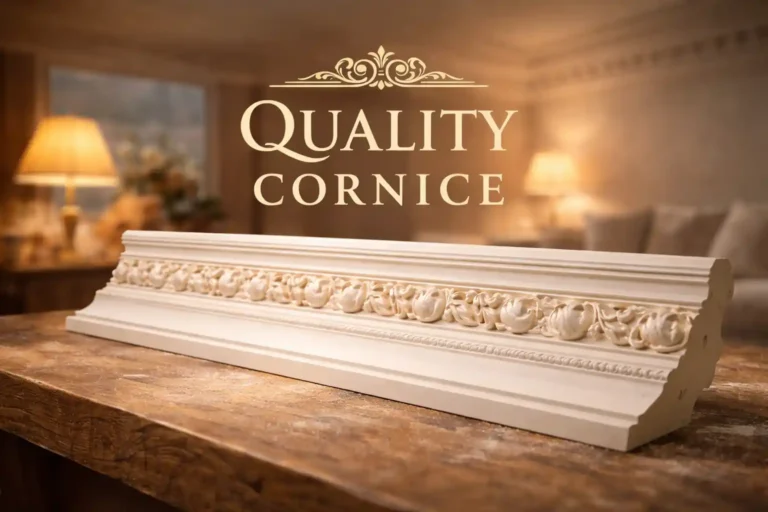
Based on the comparison above, a polyurethane profile like the GAUDI 1.50.130 cornice is a practical, widely-used choice.