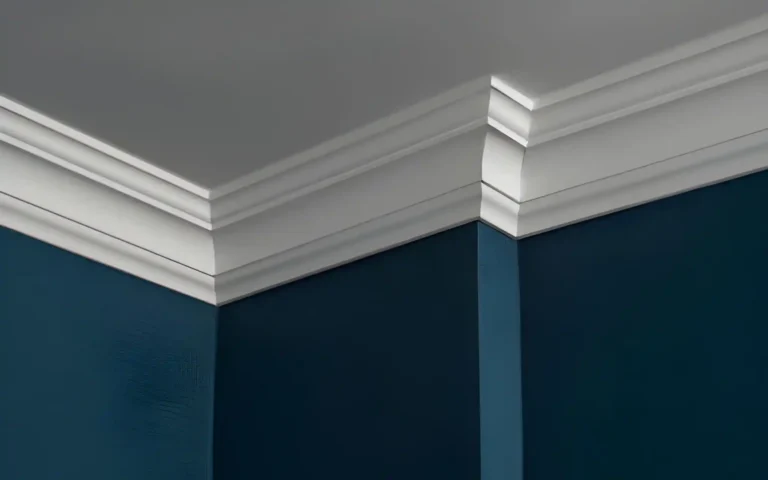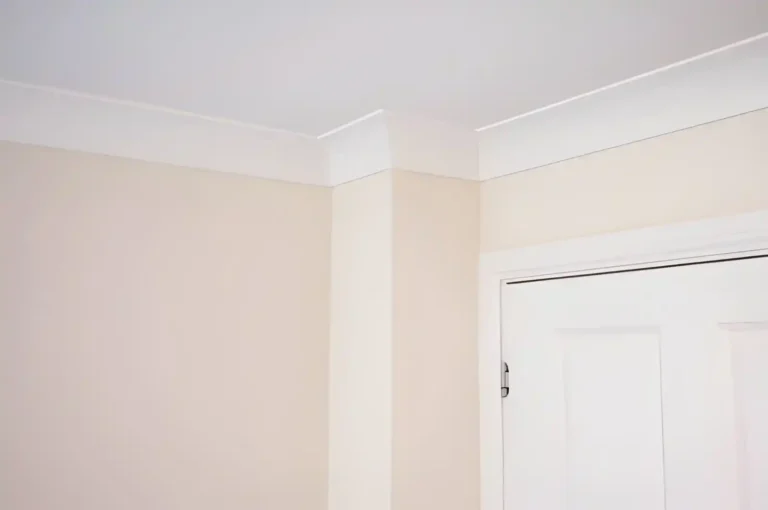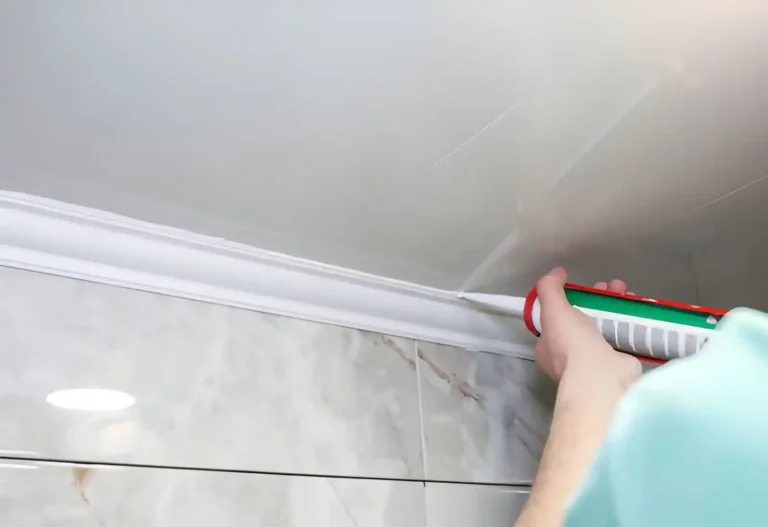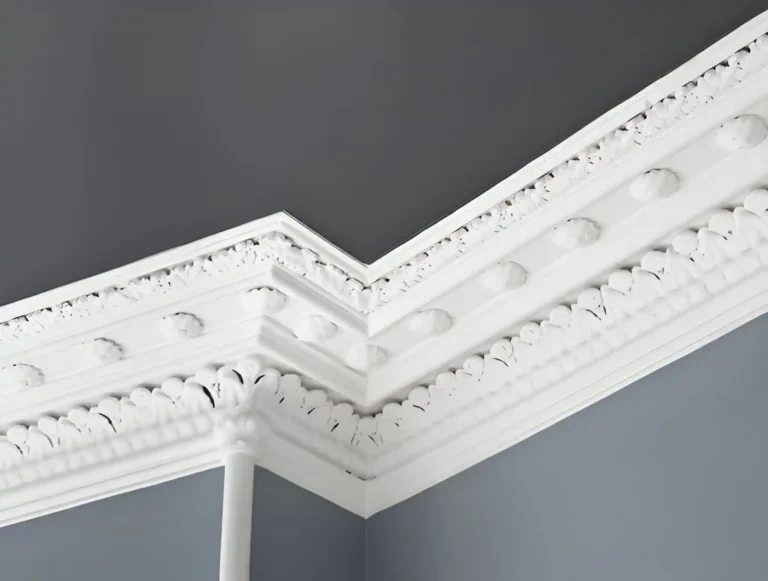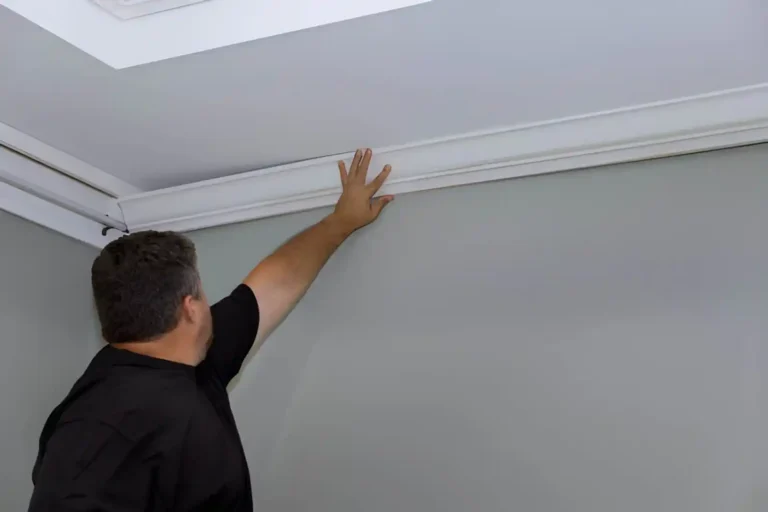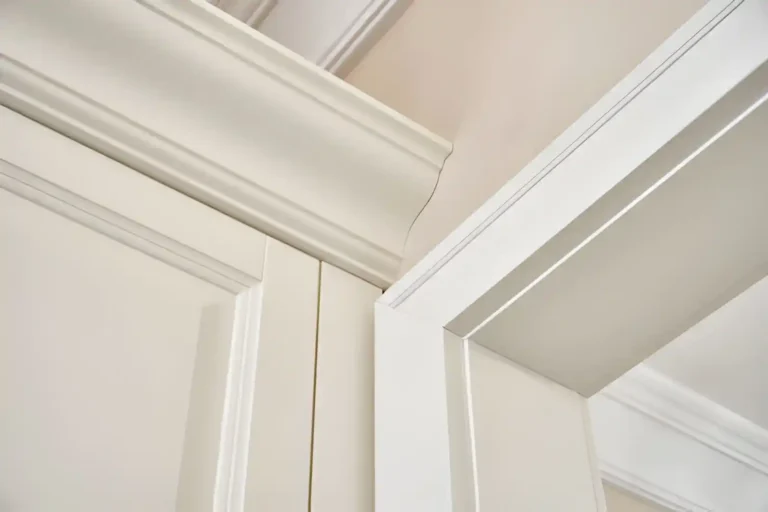

What is floor coving? If you’ve ever noticed a smooth, curved transition where the floor meets the wall—especially in bathrooms, kitchens, or commercial spaces—you’ve likely seen floor coving in action.
Floor coving is a practical and increasingly popular design feature that eliminates sharp 90-degree angles between surfaces. Instead, it creates a seamless curve that improves hygiene, durability, and overall aesthetics.
In recent years, it has moved beyond purely commercial settings into modern homes—particularly among homeowners who want a clean, “designer” finish without compromising on practicality.
Key benefits include:
- Improved hygiene and easier cleaning
- Protection against moisture and damage
- A sleek, continuous visual finish
→ For a full overview, see “What Is Coving? Modern Uses, Benefits & Design Myths Explained”
For the broader definition across decorative and practical applications, see what coving means in construction and building work.
What Is Floor Coving?
Floor coving refers to a curved or concave junction installed where the wall meets the floor. Unlike traditional sharp corners, this curved transition removes the tight angle, making the area easier to clean and more resistant to wear.
Common Materials Used
- PVC (flexible and waterproof)
- Polyurethane (lightweight and durable)
- Epoxy resin (heavy-duty, seamless finish)
- Vinyl systems (used with sheet flooring)
How It Differs from Traditional Coving
While traditional coving is installed at ceiling level for decorative purposes, floor coving is installed at the base of walls and is primarily functional. It’s designed to solve real-world problems—like moisture buildup, dirt accumulation, and edge damage.
→ Learn the broader definition in “What is coving in construction & building work?”
What Is Floor Coving Used For?
Hygiene & Cleanability
One of the main reasons floor coving is used is hygiene.
Sharp corners tend to trap:
- Dust
- Dirt
- Bacteria
With floor coving, there are no tight angles—making cleaning faster and more effective. This is why it’s commonly used in:
- Hospitals
- Commercial kitchens
- Bathrooms
For homeowners, this means less scrubbing and a cleaner living environment.
Moisture Protection
Floor coving acts as a barrier against water ingress at one of the most vulnerable points in any room: the wall-floor junction.
In moisture-prone areas like:
- Bathrooms
- Utility rooms
- Kitchens
It helps prevent:
- Water seepage
- Mould growth
- Structural damage
This is especially important in climates like Ireland, where damp conditions can accelerate wear over time.
Durability & Longevity
Walls are prone to damage at their base—whether from foot traffic, furniture, or cleaning equipment.
Floor coving reinforces this area by:
- Absorbing impacts
- Reducing chipping and cracking
- Extending the lifespan of wall finishes
High-quality materials like polyurethane and epoxy are particularly resistant to wear.
Seamless Design Finish
Beyond function, floor coving delivers a clean, modern aesthetic.
Instead of a visible joint, you get:
- A smooth transition
- A minimalist look
- A more “architectural” finish
This is why it’s increasingly used in high-end residential interiors and contemporary open-plan homes.
Where Is Floor Coving Commonly Used?
Floor coving is widely used across both residential and commercial environments.
Residential Spaces
- Bathrooms
- Kitchens
- Utility rooms
- Modern open-plan living areas
Commercial Settings
- Food preparation areas
- Restaurants and commercial kitchens
- Healthcare facilities
- Cleanrooms and laboratories
Why It Appeals to Irish Homeowners & Trade Professionals
For homeowners:
- Creates a polished, high-end finish
- Solves common moisture and cleaning issues
- Enhances long-term property value
For trade professionals:
- Meets hygiene and compliance standards
- Speeds up cleaning and maintenance
- Provides reliable, durable solutions
Floor Coving vs Traditional Coving
Although they share a name, floor coving and traditional coving serve very different purposes.
Key Differences
Placement
- Floor coving: Installed at the base of walls
- Traditional coving: Installed at ceiling level
Function
- Floor coving: Practical (hygiene, durability)
- Traditional coving: Decorative (visual enhancement)
Materials
- Floor coving: PVC, vinyl, epoxy, polyurethane
- Traditional coving: Plaster, MDF, polyurethane
→ Explore decorative styles in “What Is a Cornice in a Kitchen? Design, Function & Style Tips”
Types of Floor Coving Materials
Choosing the right material is crucial for performance and longevity.
PVC Floor Coving
- Affordable and flexible
- Waterproof and easy to install
- Ideal for residential bathrooms and kitchens
Polyurethane Coving
- Lightweight yet highly durable
- Offers a more premium finish
- Paint-ready and resistant to moisture
Epoxy Resin Coving
- Seamless and extremely strong
- Used in industrial and commercial settings
- Ideal for high-traffic or hygiene-critical environments
Vinyl Cove Formers
- Used with sheet flooring systems
- Creates a continuous, sealed surface
- Common in healthcare and commercial spaces
Why Material Choice Matters
Both homeowners and professionals prioritize:
- Moisture resistance
- Ease of installation
- Long-term durability
Choosing the right material ensures fewer issues down the line—and better results overall.
Benefits of Floor Coving for Homeowners & Trade Professionals
For Homeowners
- Cleaner, more hygienic spaces
- Reduced maintenance effort
- Sleek, modern aesthetic
- Long-lasting performance
For Trade Professionals
- Faster and more efficient installations
- Compliance with hygiene standards
- Consistent, reliable materials
- Reduced callbacks or repairs
When Should You Install Floor Coving?
Timing matters for both performance and installation efficiency.
Best Times to Install
- During renovations
- In new builds
- Before final flooring is laid
Where It’s Most Effective
- Wet areas
- High-traffic zones
- Spaces requiring frequent cleaning
Seasonal Insight (Ireland)
Most installations happen during spring and summer—when renovation projects peak and conditions are ideal.
Is Floor Coving Right for Your Project?
Ideal Scenarios
- Bathrooms and kitchens
- Commercial or hygiene-sensitive spaces
- Modern minimalist interiors
When It May Not Be Necessary
- Low-traffic, dry rooms (e.g., bedrooms)
- Traditional interiors where skirting boards are preferred
Budget Considerations
While slightly more expensive upfront, floor coving often reduces long-term maintenance costs—making it a smart investment.
Design Tips for Modern Interiors
Floor coving doesn’t have to be purely functional—it can enhance your overall design.
Match with Flooring Type
- Works well with vinyl, tile, and resin floors
- Ensure compatibility for seamless integration
Colour Coordination
- Paint-ready options for custom finishes
- Pre-finished styles for convenience
Minimalist vs Functional Design
- Minimalist homes benefit from subtle, seamless coving
- Functional spaces may prioritise durability over appearance
What Is Floor Coving – FAQs
Conclusion
Floor coving is more than just a niche construction detail—it’s a practical, stylish solution that enhances both the function and finish of a space.
By eliminating sharp corners, it delivers:
- Better hygiene
- Increased durability
- A sleek, modern appearance
Whether you’re a homeowner upgrading a bathroom or a trade professional delivering high-spec projects, floor coving offers a reliable, long-lasting solution.