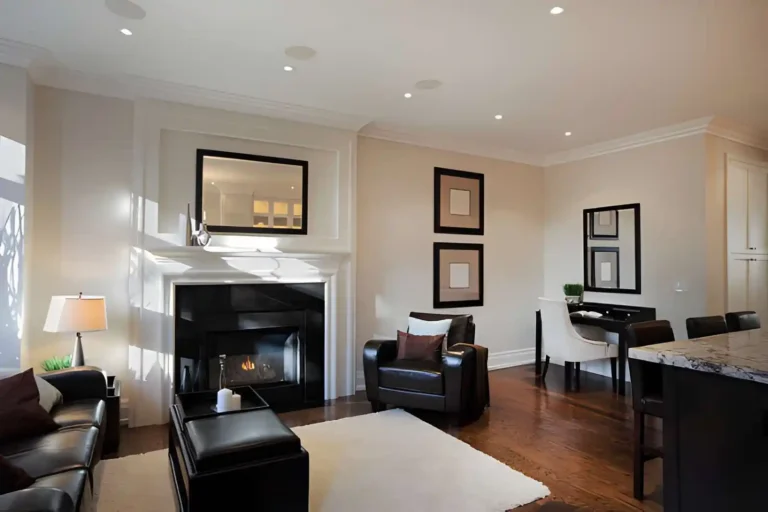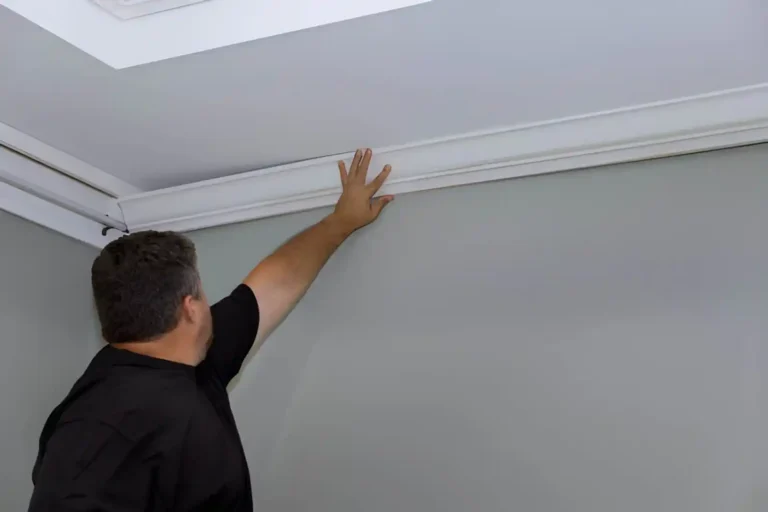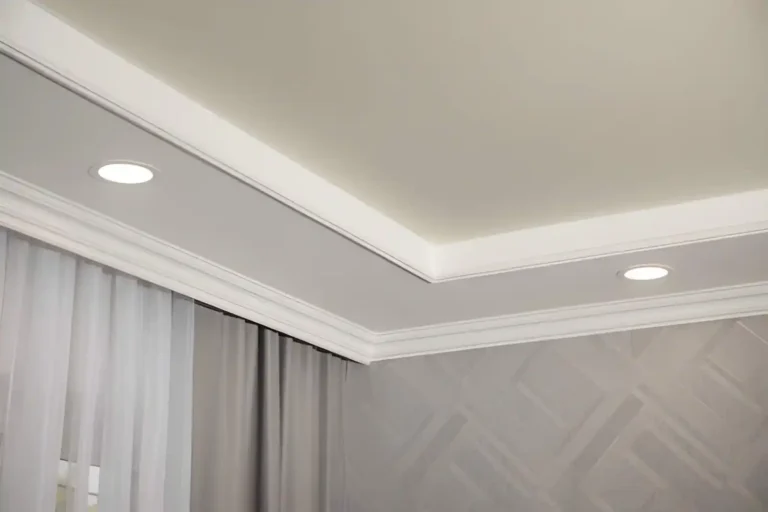

If you’re renovating or planning a new interior, you may find yourself asking a common question: are cornices still in style? With the rise of minimalist design and clean-lined interiors, it’s easy to assume that cornice belongs to the past. In reality, cornice hasn’t disappeared—it has evolved.
In this article, we’ll look at how cornices are used today, why they remain relevant in both modern and classic interiors, and how to choose a style that looks current rather than dated.
Why People Ask If Cornices Are Still in Style
Cornice is often associated with:
- Older or period properties
- Decorative, ornate interiors
- Traditional plaster detailing
At the same time, modern design trends promote:
- Clean lines
- Minimal ornamentation
- Seamless transitions
This contrast leads many homeowners to wonder whether cornice still has a place. The truth is that confusion usually comes from how cornice used to be used, not how it’s used today.
The Short Answer: Yes — Cornices Are Still in Style
Cornices are absolutely still in style, but style now depends on restraint, scale, and profile choice.
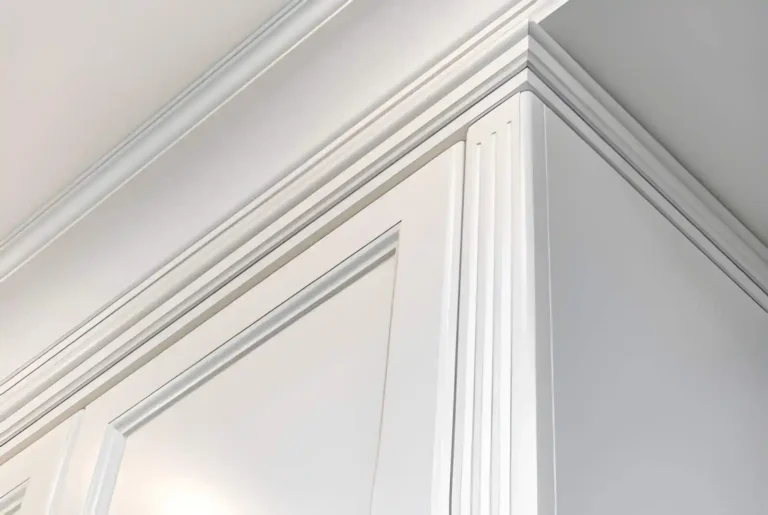
Rather than being a focal decorative feature, modern cornice is used to:
- Frame a room subtly
- Improve proportion and balance
- Add a sense of completion without visual clutter
In other words, cornice has shifted from being decorative-first to architectural-first.
How Cornices Are Used in Modern Interiors Today
Simpler Profiles, Cleaner Lines
Modern interiors favour cornice profiles that are:
- Slim
- Understated
- Light on ornamentation
This allows the cornice to blend seamlessly with the ceiling rather than dominate it.
Cornice as a Framing Tool
Instead of drawing attention, cornice now:
- Softens the wall–ceiling junction
- Creates a natural visual boundary
- Enhances the room’s proportions
It’s often noticed subconsciously rather than consciously—which is exactly the point.
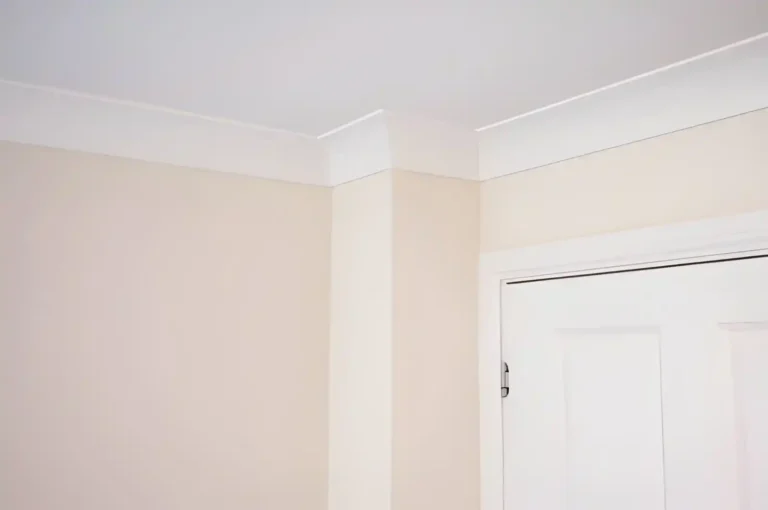
White-on-White & Paint-Matched Cornice
A popular modern approach is painting cornice the same colour as the ceiling, creating:
- Subtle shadow lines
- Architectural interest without contrast
- A clean, cohesive look
Cornices in Classic & Period Interiors
In period homes, cornice remains an essential architectural feature rather than a trend.
Cornice is still widely used to:
- Preserve original character
- Maintain historical proportions
- Complement ceiling roses, wall mouldings, and panelled doors
What has changed is the material, not the aesthetic. Many renovations now use modern materials that replicate traditional profiles while offering better durability and easier installation.
Cornice in Contemporary Irish Homes
Across Ireland, cornice continues to be used in:
- New builds
- Renovations and extensions
- Refurbished period properties
Irish homeowners often value interiors that feel:
- Refined but not overly ornate
- Warm rather than stark
- Finished rather than purely functional
Cornice helps bridge the gap between modern living and timeless architectural detail.
Rooms Where Cornice Is Most Popular Today
Living Rooms & Dining Rooms
Cornice helps:
- Frame larger spaces
- Add presence without clutter
- Create a sense of intention and completeness
Kitchens
In kitchens, cornice is often used:
- Above wall units
- At the ceiling junction
- To create a built-in, bespoke look
Bedrooms & Hallways
In these spaces, cornice:
- Softens transitions
- Adds continuity throughout the home
- Prevents rooms from feeling unfinished
When Cornice Might Not Be the Right Choice
Cornice isn’t mandatory in every interior.
You may choose to avoid it in:
- Ultra-minimalist or industrial designs
- Spaces with very low ceilings
- Interiors using shadow gaps or flush detailing intentionally
Even then, it’s often a matter of choosing the right profile, rather than omitting cornice altogether.
Modern Materials Have Changed the Game
One reason cornices are more popular again is the availability of modern materials.
Compared to traditional plaster, modern cornice materials offer:
- Lightweight construction
- Moisture resistance
- Cleaner installation
- Sharper, more consistent detail
This makes cornice suitable for kitchens, bathrooms, and contemporary interiors where older materials struggled.
Cornice vs Other Modern Ceiling Details
Cornice vs Shadow Gaps
- Shadow gaps suit ultra-modern architecture
- Cornice suits a wider range of interiors and renovations
Cornice vs Flat Finishes
- Flat finishes can feel abrupt
- Cornice adds softness and refinement
In many homes, cornice provides a more forgiving and timeless solution.
How to Choose a Cornice That Looks Modern (Not Dated)
To keep cornice looking current:
- Choose simple profiles
- Avoid excessive ornamentation in modern spaces
- Match profile size to ceiling height
- Coordinate with skirting and wall mouldings
The goal is cohesion, not decoration for decoration’s sake.
Frequently Asked Questions About Cornice & Style
Final Thoughts: Timeless Detail, Modern Application
Cornice has survived centuries of changing design trends for a reason—it works. What has changed is how it’s applied. Today’s cornice is about proportion, restraint, and architectural clarity rather than decoration alone.
When chosen thoughtfully, cornice remains one of the most effective ways to elevate an interior—modern or classic—without overwhelming it.
At Gaudi Coving, cornice and decorative mouldings are selected to reflect this balance, combining European-inspired design with modern performance for interiors across Ireland.
Decorative profiles like the GAUDI 1.50.209 cornice, with its Empire and Baroque-inspired detailing, are a good example of why cornices remain a sought-after period feature.