Hw to make coving look modern? Many Irish homeowners feel their coving looks dated—but the idea of ripping it out entirely can feel expensive, messy, and unnecessary. The good news? You don’t need a full renovation to achieve a modern, designer look.
If you’re wondering how to make coving look modern, the answer lies in smart styling choices, updated materials, and subtle design tweaks that transform the space without major disruption.
Whether you’re upgrading a period home in Dublin or refining a new build in Cork, this guide will show you exactly how to refresh your coving for a clean, contemporary finish. We’ll also explore modern solutions from Gaudi Coving, which blend architectural detail with minimalist design.
Is Coving Actually Outdated—or Just Styled Wrong?
One of the most common questions homeowners ask is: is coving outdated? The reality is, coving itself isn’t the problem—how it’s used is.
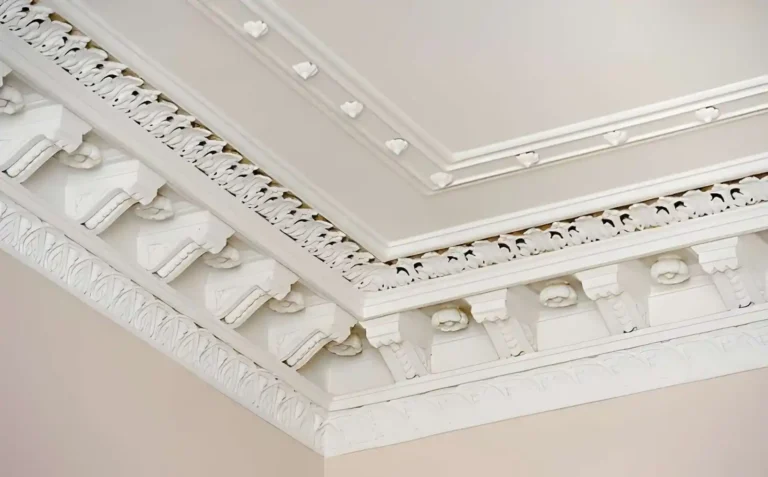
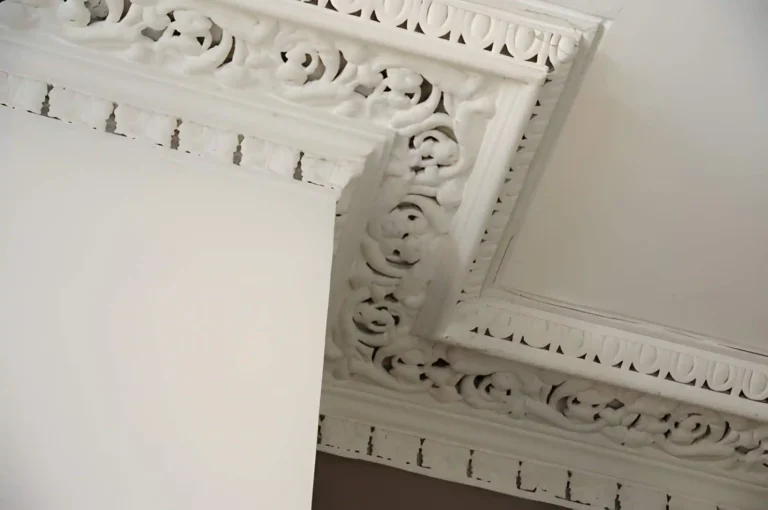
Heavy, ornate plaster designs can feel out of place in modern interiors. But clean, well-proportioned coving with a simple profile can elevate a room and give it that polished, high-end look.
If you’re unsure about broader trends, it’s worth exploring how styles are evolving. If you’re wondering whether coving is still in fashion, read our full guide on Is Coving Still in Style? 2026 Trend Guide.
The key takeaway: coving hasn’t gone out of style—it’s just evolved.
7 Ways to Make Coving Look Modern
1. Paint Coving the Same Colour as the Ceiling or Walls
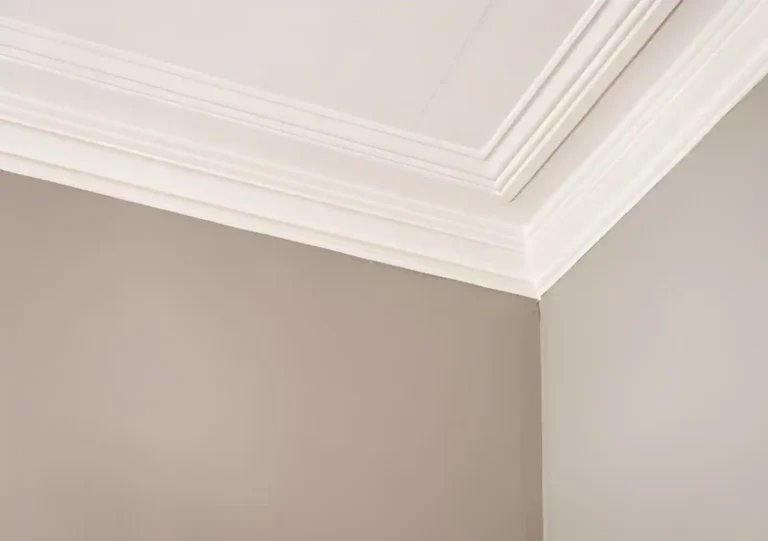
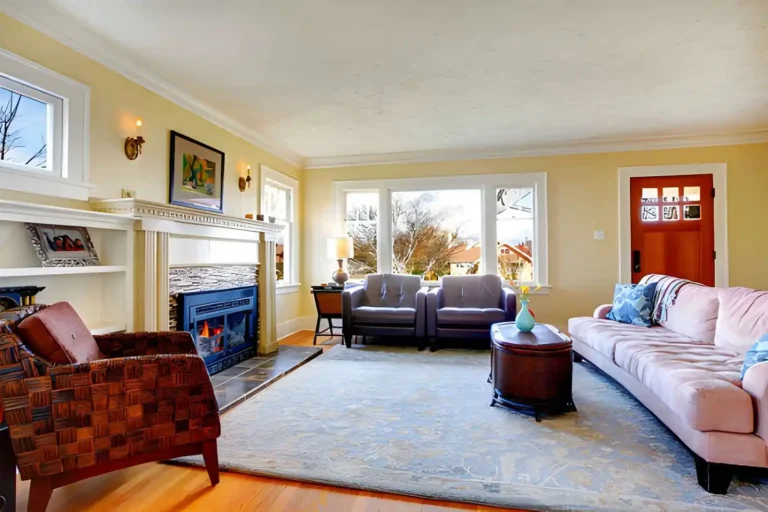
One of the easiest ways to modernise coving is with paint. Instead of highlighting it in a contrasting colour, paint it the same shade as your ceiling or walls.
This creates a seamless, minimalist effect that works beautifully in modern Irish homes. It’s especially effective in smaller rooms, where visual simplicity helps the space feel larger and less cluttered.
2. Choose Simpler, Cleaner Profiles
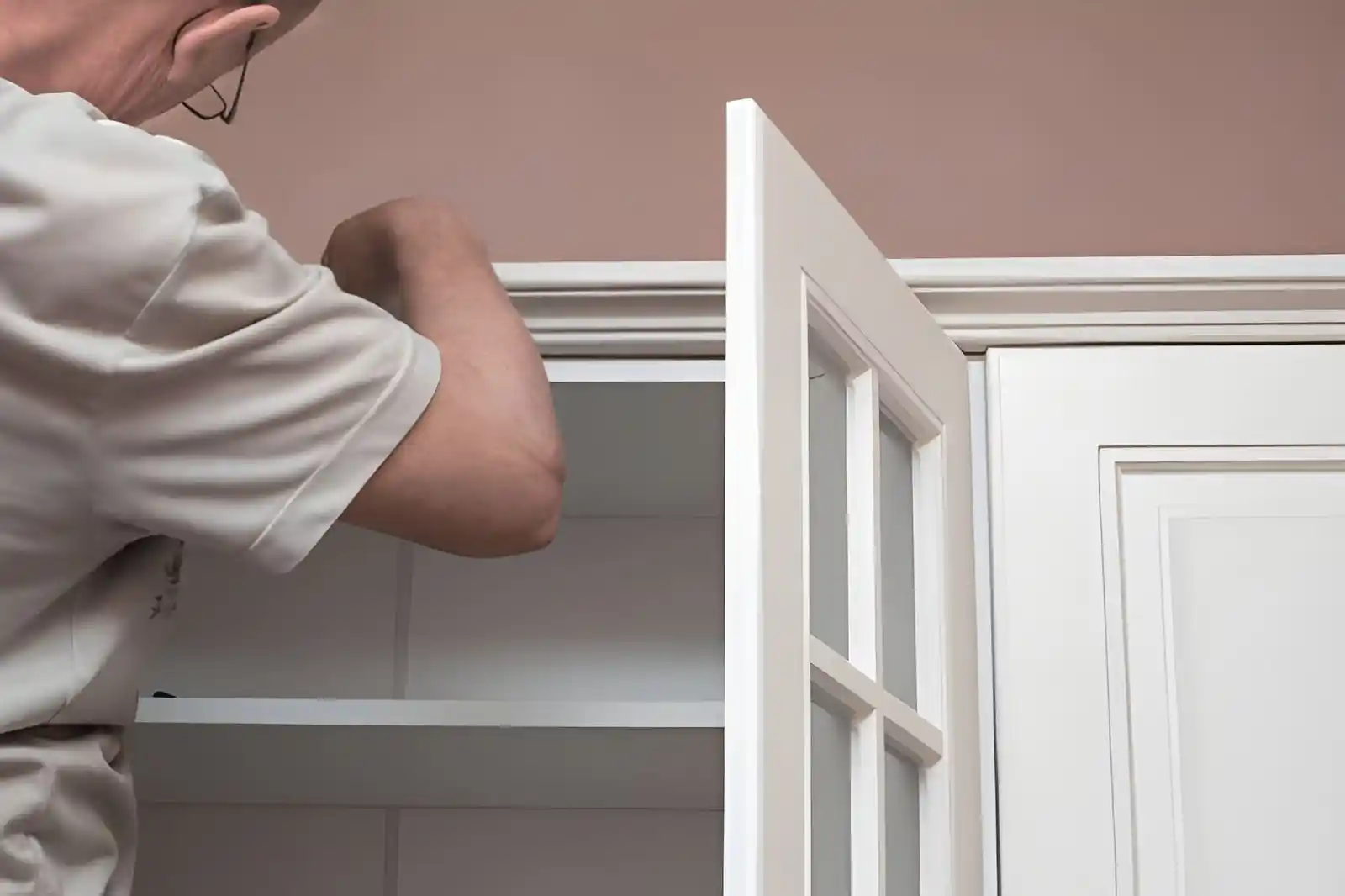
If your existing coving is overly decorative, consider replacing it with a simpler design. Modern interiors favour smooth lines and subtle curves over intricate detailing.
This is where options like Gaudi Coving come in—products from Gaudi Coving are designed to offer architectural interest without overwhelming the room. These profiles appeal to both homeowners and trade professionals looking for a refined finish.
3. Add LED Lighting for a Contemporary Finish
LED coving is one of the fastest-growing trends in Irish interiors. It combines function with style, creating soft ambient lighting that instantly modernises a space.
Benefits include:
- A warm, indirect glow that enhances atmosphere
- A high-end, hotel-style aesthetic
- Practical lighting for living rooms, kitchens, and extensions
This approach is particularly popular in new builds and open-plan renovations.
4. Scale It Properly to Your Ceiling Height
Proportion is everything. One of the biggest mistakes homeowners make is choosing coving that’s too large for the room.
A simple guide:
- Low ceilings: opt for slim, subtle coving
- Higher ceilings: slightly deeper profiles can add balance
Getting the scale right ensures your coving enhances the room rather than dominating it.
5. Use Matte or Soft Finishes Instead of Gloss
Glossy finishes can make coving look dated and overly decorative. Modern interiors favour matte or soft-sheen paints that create a more understated, elegant effect.
This subtle shift can make a significant difference in how contemporary your space feels.
6. Integrate Coving with Wall Panelling or Minimalist Design
Coving doesn’t have to exist in isolation. When paired with wall panelling, dado rails, or clean-lined interiors, it becomes part of a cohesive design.
This approach allows you to retain architectural detail while keeping the overall look fresh and modern.
If you’re exploring whether coving works in your home, see how it fits with other features in Coving or No Coving? How to Decide for Your Home.
7. Upgrade Materials (Without Changing the Look Completely)
If your existing coving is cracked, warped, or outdated, upgrading the material can make a huge difference—even if the design stays similar.
Modern materials offer:
- Lightweight installation
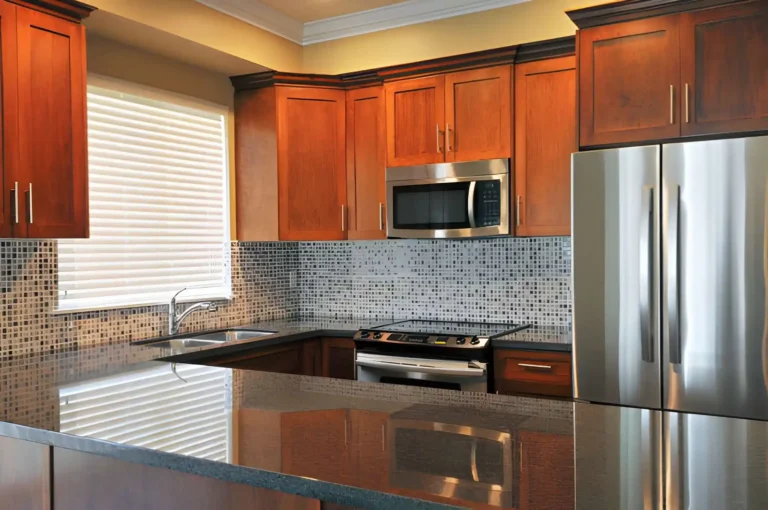
- Moisture resistance (ideal for kitchens and bathrooms)
- Crack and shrink resistance over time
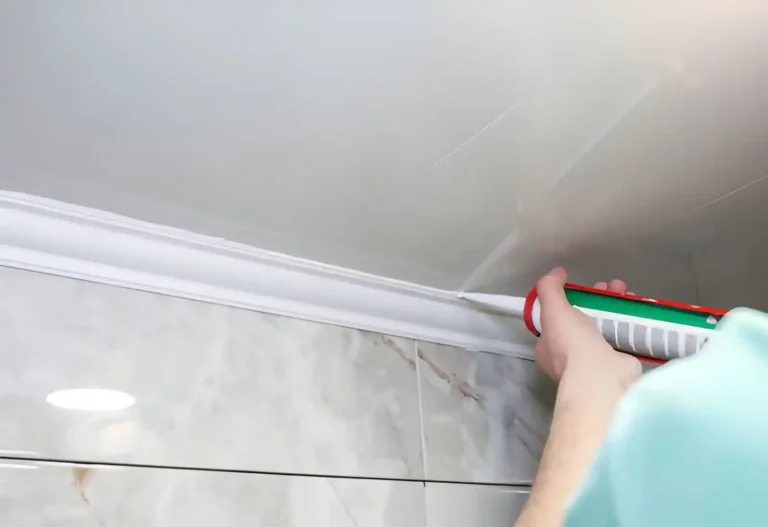
This directly addresses common concerns for both homeowners and trade professionals—durability, ease of installation, and long-term reliability.
What to Do Instead of Coving (If You Want a Different Look)
If coving doesn’t suit your style, there are modern alternatives worth considering.
Popular options include:
- Shadow gaps: clean, architectural lines for ultra-modern spaces
- Flush ceilings: minimal and seamless
- Slim trims: subtle definition without traditional moulding
- LED recess channels: integrated lighting without visible coving
Common Mistakes That Make Coving Look Dated
Even high-quality coving can look outdated if it’s used incorrectly. Here are the most common pitfalls:
- Overly ornate designs in modern homes
- Poor installation (visible gaps or uneven joins)
- Incorrect proportions for the room
- Mixing traditional coving with ultra-modern interiors
- Using cheap materials that warp, crack, or shrink
These issues are particularly important for trade professionals, where finish quality directly impacts reputation and client satisfaction.
Should You Keep, Update, or Replace Your Coving?
If you’re unsure what to do with your existing coving, use this simple framework:
- Keep it: if it’s in good condition and suits your space
- Update it: with paint, lighting, or styling improvements
- Replace it: if it’s damaged, outdated, or poorly installed
Still unsure? Read Does Coving Add Value to a Property? before making your final decision.
Why Modern Coving Is Back in Irish Homes
Coving is making a strong comeback across Ireland—and for good reason.
Key trends driving this include:
- A rise in architectural detailing in modern interiors
- Strong influence from Instagram and Pinterest
- Growing demand for “designer look” homes at achievable costs
At the same time, modern materials have transformed how coving is used:
- Easier installation for both DIY and trade
- Moisture-resistant options for kitchens and bathrooms
- Long-lasting performance without cracking
This combination of style and practicality is why coving continues to grow in popularity.
How to Make coving Look Modern? – FAQs
Conclusion: You Don’t Need to Rip It Out
Modernising your coving doesn’t require a full renovation. With the right approach, even small changes—like paint, lighting, or updated profiles—can completely transform your space.
For Irish homeowners and trade professionals alike, the focus is shifting toward:
- Clean, contemporary design
- Durable, moisture-resistant materials
- Easy installation and long-term performance
The result? A refined, designer look without unnecessary cost or disruption.
Next steps:
- Explore modern coving styles
- Order samples to see finishes in your space
- Start with one room and scale across your home