Coving or no coving? It’s one of the most common questions homeowners and renovators are asking in 2025–2026—and for good reason.
Interior design trends are shifting fast. On one side, you have ultra-minimalist spaces with sharp, clean lines. On the other, there’s a strong return to classic architectural detailing that adds warmth, depth, and character to a room.
So where does coving fit in?
If you’ve already explored whether is coving still in style in 2026, you’ll know the answer isn’t a simple yes or no. The real question is: is it right for your home?
In this guide, you’ll get a clear, practical framework to help you decide—based on your home style, ceiling height, budget, and the look you want to achieve.
What Is Coving and Why Do People Use It?
Quick Definition
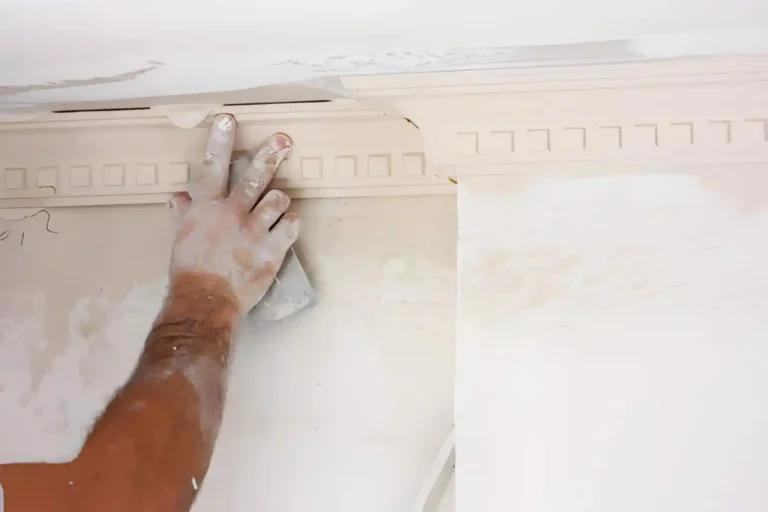
Coving is a decorative moulding installed where the wall meets the ceiling. It creates a smooth transition between surfaces, softening what would otherwise be a harsh 90-degree angle.
While often used interchangeably, coving and cornices are slightly different. Coving tends to have simpler, more uniform curves, while cornices are usually more ornate and detailed.
Today, styles range from traditional profiles to sleek, modern designs from Gaudi Coving, which blends minimalism with subtle architectural interest—perfect for contemporary homes.
Functional vs Aesthetic Benefits
Coving isn’t just decorative—it serves practical purposes too:
- Softens transitions between walls and ceilings
- Adds architectural depth and visual interest
- Hides imperfections, such as cracks or uneven plastering
For many homeowners, it’s the detail that makes a room feel finished rather than flat.
Coving or No Coving: The Core Decision Factors
1. Your Home Style
Your property type is one of the biggest deciding factors.
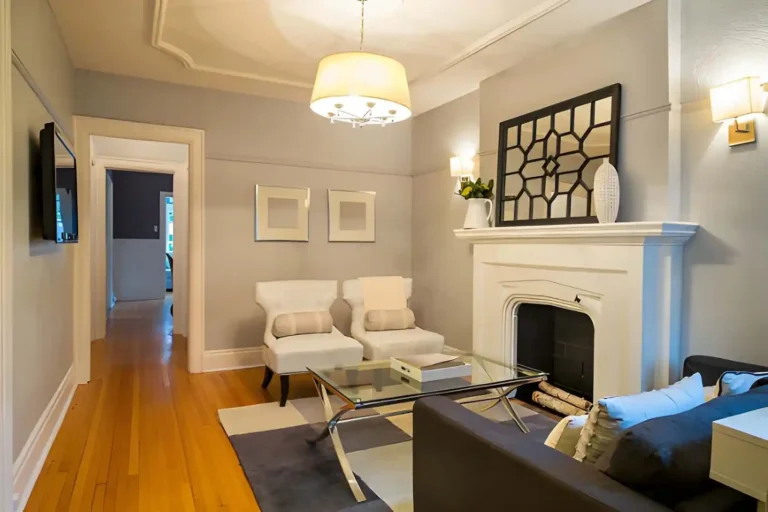
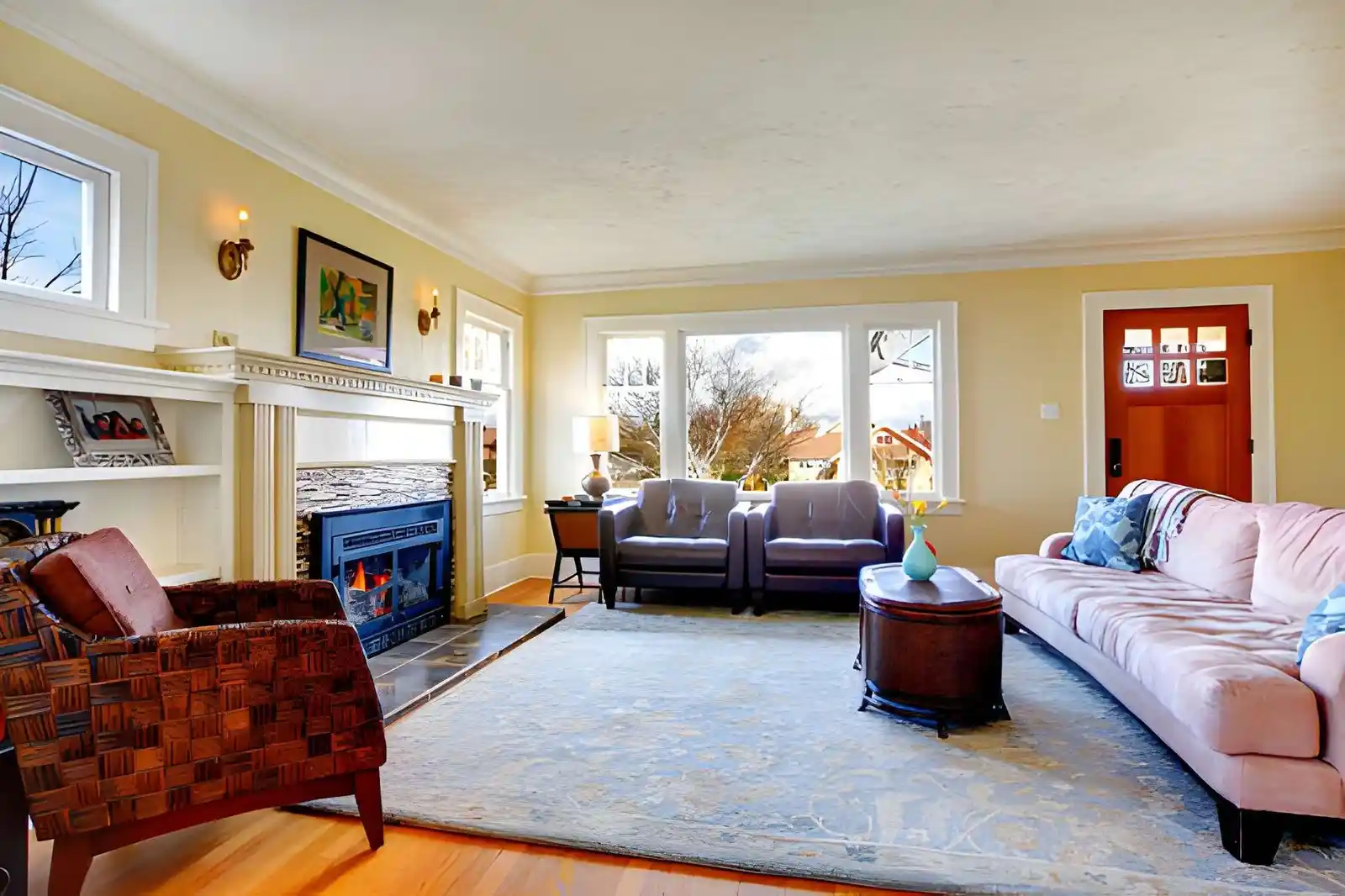
- Period homes: Coving is almost essential. It preserves character and complements original features.
- New builds: Optional—but often recommended to avoid a “boxy” feel
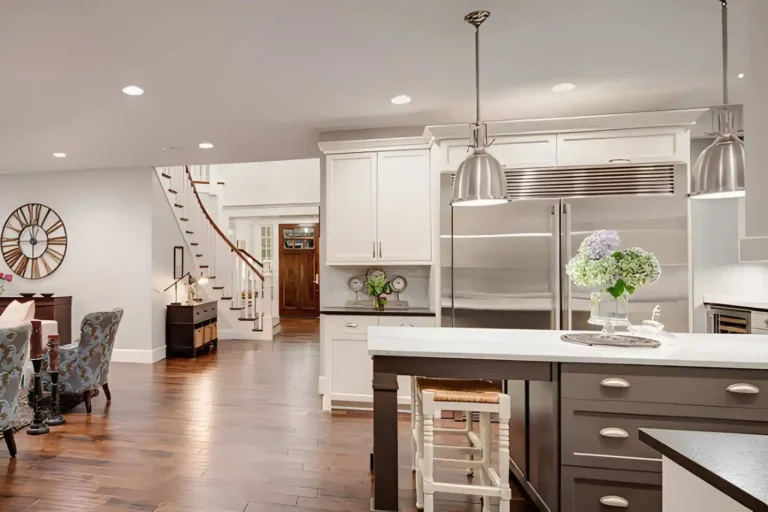
- Modern homes: Works best with slim, minimalist profiles or can be skipped entirely
If you’re unsure, consider whether is coving outdated in modern homes—because in reality, it’s more about execution than era.
2. Ceiling Height Matters
Coving interacts directly with your room’s proportions.
- High ceilings (2.7m+): Coving enhances elegance and scale
- Standard ceilings: Slim profiles work best
- Low ceilings: Thick coving can make rooms feel smaller
A well-chosen profile can actually make a ceiling feel taller—not shorter.
3. Desired Interior Look
Think about the overall style you’re aiming for:
- Minimalist → No coving or very subtle designs
- Classic / traditional → Decorative coving or cornices
- Contemporary luxury → LED-integrated coving for ambient lighting
This is where many homeowners go wrong—choosing a style that clashes with the rest of the room.
4. Budget and Installation
Coving is relatively affordable, but costs can vary depending on materials and labour.
- Materials: Polyurethane and polystyrene are popular for being lightweight and durable
- Installation: DIY-friendly options exist, but professionals ensure a flawless finish
A major pain point—especially for trade professionals—is installation difficulty. Poor installation can lead to visible joins or cracking over time.
5. Room Type Considerations
Not every room needs coving.
- Living rooms: High impact, highly recommended
- Bedrooms: Optional, depending on style
- Kitchens & bathrooms: Require moisture-resistant materials
For Irish homes in particular, moisture resistance is critical. Choosing the wrong material can lead to warping, cracking, or mould issues.
Pros and Cons of Coving
Pros
- Adds perceived value to interiors
- Creates a polished, designer finish
- Enhances lighting—especially with LED coving
- Helps rooms feel more complete
Cons
- Can look outdated if the style is wrong
- Poor installation leads to visible flaws
- Not always suitable for ultra-modern interiors
If you’re weighing the investment, it’s worth exploring whether does coving add value to a property—because the answer often depends on quality and context.
When You Should Definitely Choose Coving
Coving is a strong choice if:
- You’re renovating a period property
- You want to match existing architectural features
- You’re aiming for a high-end, finished look
- You’re working with an interior designer
In these scenarios, skipping coving can actually make a space feel incomplete.
When It’s Better to Skip Coving
Coving isn’t always necessary.
You might skip it if:
- You prefer ultra-minimalist interiors
- Your ceilings are very low
- You’re working with a tight budget
- Your style leans industrial or contemporary
In modern design, sometimes less really is more.
Modern Alternatives to Traditional Coving
If traditional coving doesn’t suit your space, there are alternatives:
- Shadow gaps for a sleek architectural look
- Clean plaster finishes with sharp edges
- LED recessed lighting for subtle ambiance
- Minimalist coving profiles for a hybrid approach
If you already have coving but want a refresh, check out ideas on how to make coving look modern without replacing it.
Is Coving Worth It in 2025–2026?
Here’s the honest answer: it depends on how you use it.
Coving is not outdated—but outdated applications of coving are.
Modern homeowners want:
- Clean, intentional design
- Subtle architectural detail
- Materials that are durable and easy to install
For many, coving delivers that perfect balance between minimalism and character—without overcomplicating the space.
Expert Tips for Choosing the Right Coving
To get it right the first time:
- Match scale to room size – larger rooms can handle deeper profiles
- Choose moisture-resistant materials – especially for kitchens and bathrooms
- Use pre-primed products – saves time and ensures a clean finish
- Look for easy-install systems – ideal for both DIY and trade professionals
For trade professionals, consistency and reliability matter just as much as aesthetics—especially when working across multiple projects.
Coving or No Coving? How to Decide for Your Home – FAQs
Conclusion
So—coving or no coving?
The truth is, coving isn’t outdated—it’s contextual.
The right choice depends on your home, your style, and the finish you want to achieve. Done well, coving can elevate a space, add character, and create that polished, designer look many homeowners are after.
If you’re still unsure, start small. Try one room, assess the impact, and build from there.
Ready to transform your space? Explore modern coving styles, compare profiles, and find the perfect fit for your home.