Does coving make a room look bigger or smaller? One of the most common questions homeowners and trade professionals ask during a renovation is simple: does coving make a room look bigger or smaller?
The answer isn’t a straightforward yes or no. Coving can enhance space, improve proportions, and elevate a room’s design—but only when chosen correctly. The wrong size or style, on the other hand, can make ceilings feel lower and rooms appear cramped.
Whether you’re renovating a period home in Dublin, upgrading a new build in Cork, or managing multiple client projects as a designer, understanding how coving impacts visual space is essential.
Modern solutions like Gaudi coving make it easier than ever to strike the right balance between style and proportion, offering both classic detailing and sleek contemporary finishes.
👉 For exact dimensions, see our guide on “what size coving do I need”
Does Coving Make a Room Look Bigger?
How Coving Creates the Illusion of Space
When used correctly, coving can absolutely make a room feel larger.
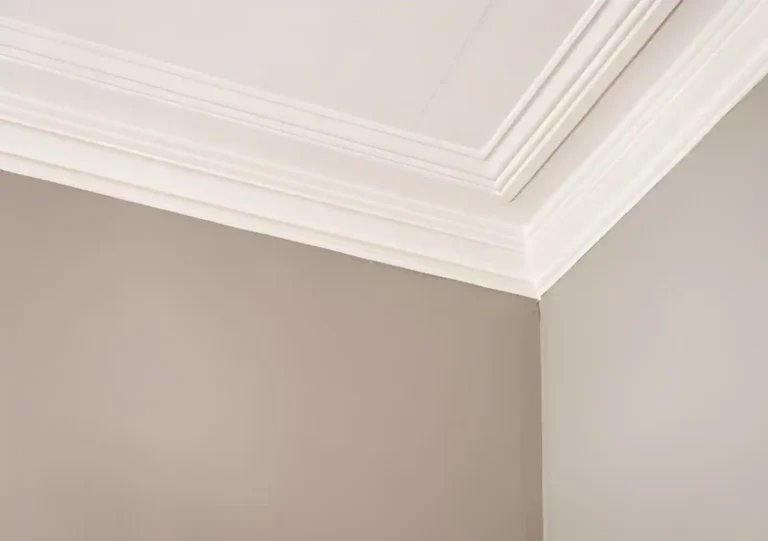
One of its biggest advantages is how it softens the harsh transition between walls and ceilings. Sharp angles can visually “box in” a space, while coving introduces a smooth curve or profile that creates flow.
Coving also naturally draws the eye upward, which increases the perceived height of a room. This is particularly valuable in Irish homes where standard ceiling heights are often around 2.4 metres.
Additionally, coving adds a sense of architectural completeness. Rooms without it can feel unfinished—something many homeowners notice when aiming for that “designer look” inspired by Pinterest or renovation shows.
For trade professionals, this is often the finishing detail that transforms a project from standard to premium.
Best Coving Styles for Making Rooms Look Bigger
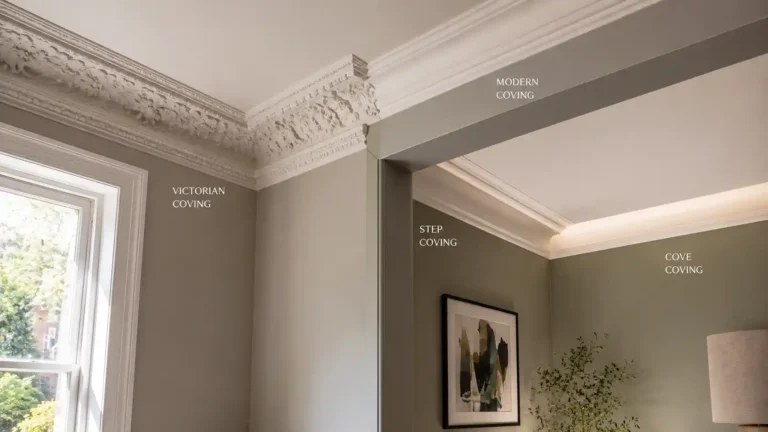
Not all coving has the same visual effect. If your goal is to make a room feel more spacious, the following styles work best:
- Slim, minimalist profiles
These avoid overwhelming the room and maintain a clean, modern feel. - Light-coloured coving
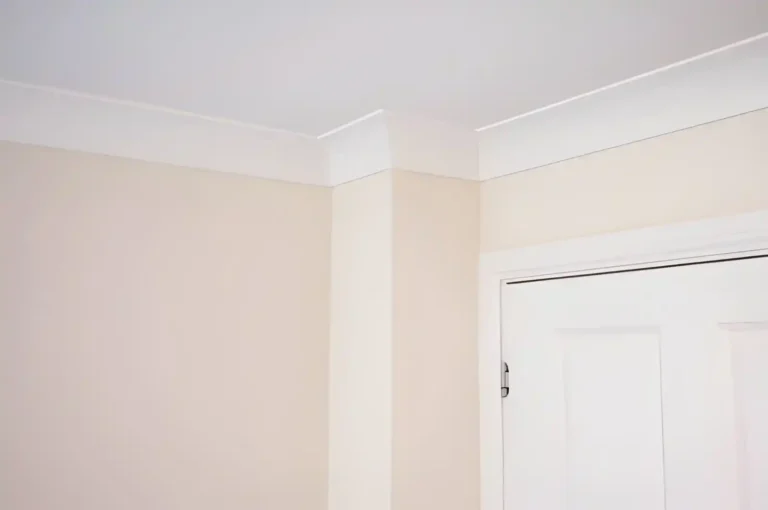
When painted the same colour as the ceiling, coving visually “disappears,” making the ceiling appear higher. - LED coving
A growing trend in modern Irish homes, LED-integrated coving creates depth and ambient lighting, enhancing spatial perception.
👉 Choosing the right dimensions matters — explore “standard coving sizes in Ireland”
Does Coving Make a Room Look Smaller?
When Coving Can Reduce Perceived Space
While coving can enhance a room, the wrong choice can have the opposite effect.
Here’s when coving may make a room look smaller:
- Oversized coving in low ceilings
Large, deep profiles can visually “eat into” the wall height. - Dark or heavily ornate designs
These draw attention and can make the room feel more enclosed. - Poor proportion to room size
Coving that’s too large for a small room disrupts balance and scale.
This is a common mistake among homeowners who choose coving based purely on style without considering dimensions.
Common Mistakes Homeowners Make
If you want to avoid making your room feel smaller, steer clear of these pitfalls:
- Choosing style over scale
Decorative profiles may look great in showrooms but overwhelm smaller rooms. - Ignoring ceiling height
This is one of the biggest factors in coving selection. - Over-decorating
Combining coving with heavy wall panels, bold colours, and ornate features can create visual clutter.
Does Coving Make a Ceiling Look Lower?
The Impact of Coving Depth and Projection
Coving doesn’t automatically make ceilings look lower—but depth and projection play a crucial role.
- Deep coving extends further down the wall and across the ceiling, which can visually lower the ceiling height.
- Shallow coving, on the other hand, maintains openness and keeps proportions balanced.
For rooms with standard 2.4m ceilings (common across Ireland), this distinction is especially important.
How to Prevent a Lowered Ceiling Effect
To avoid making your ceiling feel lower:
- Match coving size to ceiling height
- 2.4m ceilings → small coving (subtle profiles)
- 2.7m+ ceilings → medium-sized coving
- Period homes with high ceilings → larger decorative options
- Use clean, modern profiles
Options like Gaudi coving offer refined designs that enhance without overpowering. - Stick to lighter colours
This keeps the ceiling visually elevated.
Room-by-Room Breakdown (Practical Guide)
Living Rooms
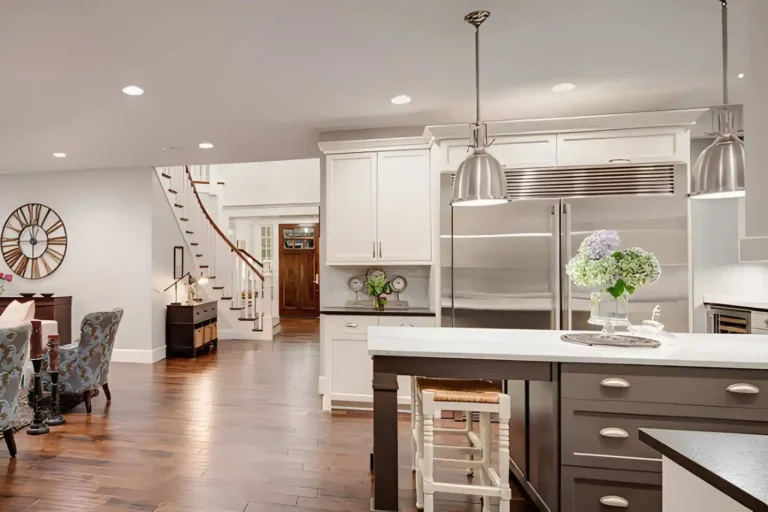
Living rooms typically offer more space, making them ideal for slightly larger coving profiles.
- Enhances a premium, finished look
- Works well in open-plan layouts
- Ideal for both traditional and modern interiors
For homeowners investing in high-end finishes, this is where coving delivers the most visual impact.
Bedrooms
Bedrooms benefit from a more subtle approach.
- Choose smaller, simpler profiles
- Creates a calm, relaxing atmosphere
- Avoid heavy detailing in compact rooms
This aligns well with homeowners seeking a soft, “hotel-style” finish.
Kitchens & Bathrooms
These spaces require a balance of function and style.
- Use moisture-resistant materials (critical in Irish homes)
- Keep profiles minimal to avoid clutter
- Consider LED coving for modern kitchens
For trade professionals, durability and ease of installation are key here.
Expert Tips for Getting the Right Visual Effect
Achieving the perfect look isn’t just about choosing coving—it’s about how everything works together.
Match Coving Scale To:
- Ceiling height
- Room size
- Interior style (modern vs traditional)
Use Paint Strategically
- Same colour as ceiling → creates a seamless, spacious feel
- Contrasting colour → adds drama but can reduce perceived space
Consider LED Coving
A rapidly growing trend in Ireland, LED coving:
- Adds depth and dimension
- Enhances modern interiors
- Appeals to design-conscious homeowners
Why Material Matters (Not Just Size)
While size and style are crucial, material choice is just as important—especially for both homeowners and trade professionals.
Key Benefits to Look For:
- Moisture resistance
Essential for kitchens, bathrooms, and Irish climates - Crack resistance
Prevents long-term maintenance issues - Lightweight installation
Reduces labour time and complexity
Why Choose Gaudi Coving
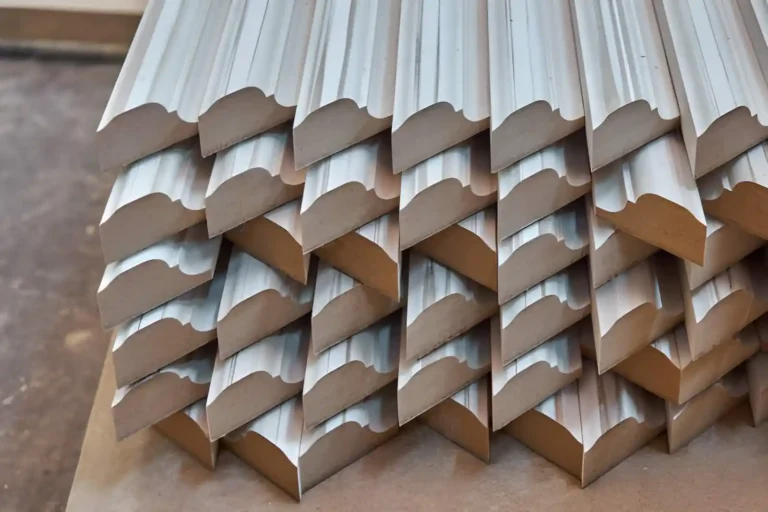
Polyurethane options like Gaudi coving are becoming increasingly popular across Ireland—and for good reason:
- Durable and long-lasting
- Easy to install (ideal for DIY and professionals)
- Consistent quality (important for repeat trade use)
- Paint-ready for quick finishing
Does coving make a room look bigger or smaller? – FAQs
Conclusion
So, does coving make a room look bigger or smaller?
The truth is—it can do both.
When chosen correctly, coving enhances space, improves proportions, and adds that polished, designer finish many homeowners are looking for. But when poorly sized or styled, it can make rooms feel smaller and ceilings lower.
The key is simple: get the proportions right.
By making informed choices, you can transform any room into a space that feels larger, brighter, and more refined.