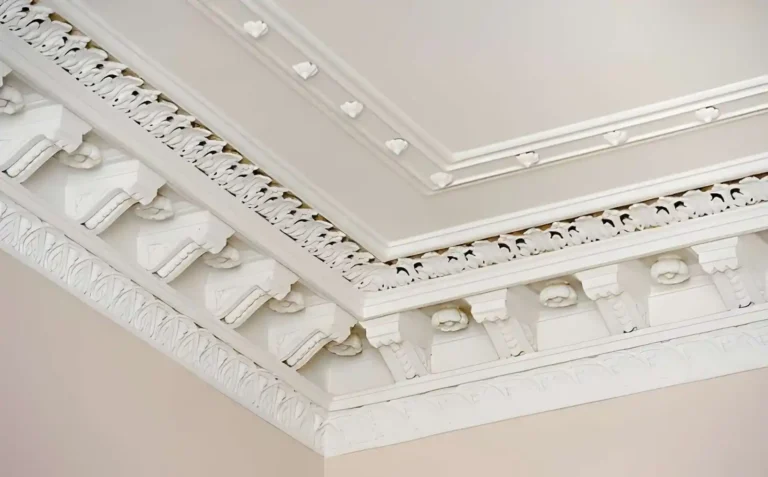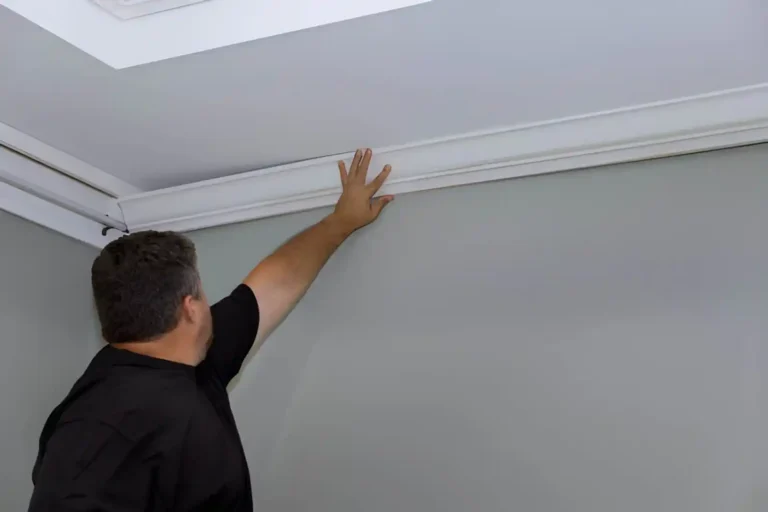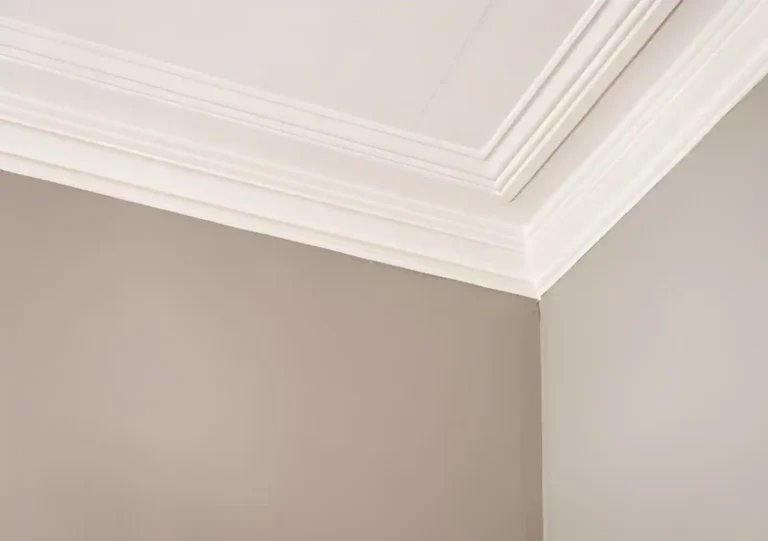

If you’ve searched “how to make a cornice”, you’re not alone. Many homeowners and renovators reach this point out of curiosity, cost concerns, or a genuine interest in doing things themselves. But before committing time, money, and effort, it’s worth asking a more practical question:
Is making a cornice actually realistic for a home renovation—or is buying one the smarter option?
This guide is designed to educate first, then reframe the decision by comparing making versus buying cornice in terms of cost, time, finish quality, and long-term performance.
If you prefer a ready-made profile, use our complete guide to buying cornice in Ireland to compare suppliers, materials, and delivery options.
Why People Search “How to Make a Cornice”
Most people don’t search this out of stubborn DIY ambition—they’re usually motivated by one or more of the following:
- Cost-saving assumptions (“It must be cheaper to make it myself”)
- Desire for control or customisation
- Influence of online DIY videos that make the process look simple
- Early-stage research, not a firm decision to fabricate
Curiosity doesn’t always equal intent. In many cases, people are really asking:
“Is there a simpler or cheaper way to get the look I want?”
What “Making a Cornice” Actually Involves
This is where expectations often diverge from reality.
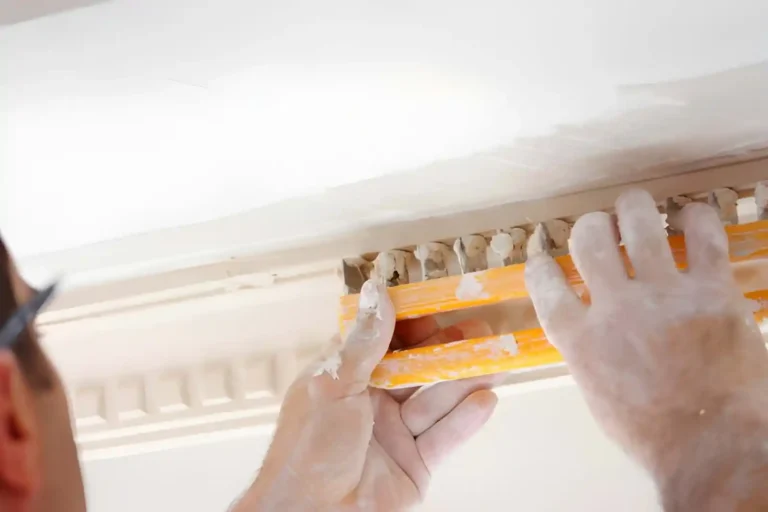
To make a cornice that works in a real interior, you need to:
- Design a consistent, repeatable profile
- Create or source accurate moulds or formers
- Mix and cast materials (plaster, timber, MDF, or composites)
- Allow for drying, curing, sanding, and refinement
- Produce straight, uniform lengths that join cleanly on the ceiling
Cornice isn’t like a single shelf or trim piece—it must be perfectly consistent across every wall. Small errors multiply visually once installed.
That’s why cornice is significantly harder than most DIY moulding projects.
Tools & Materials Required to Make a Cornice
Materials
Depending on approach, you’ll need:
- Plaster, timber, MDF, or composite materials
- Reinforcement (fibres, backing boards, scrims)
- Sealers, primers, and finishing compounds
Tools
In practice, this often includes:
- Moulds or formers (custom-made or improvised)
- Saws, planes, sanding tools
- Workbenches and adequate workshop space
- Safety equipment (dust, weight, sharp edges)
Most homeowners don’t already own these tools—or have the space to use them safely.
Cost Comparison — Making vs Buying Cornice
Making Your Own Cornice
Costs are rarely limited to raw materials.
- Raw materials (often underestimated)
- Tool purchase or hire
- Wasted material from trial and error
- Time cost, which is usually ignored
Mistakes aren’t cheap when precision is required.
Buying Ready-Made Cornice
- Known upfront pricing
- No tooling investment
- Minimal waste
- Predictable, controllable budget
What you see is what you spend.
Time Investment Comparison
Time is where DIY cornice usually becomes expensive.
- Learning curve before acceptable results
- Time spent designing and testing profiles
- Drying and curing delays
- Rework when lengths don’t align
Buying ready-made cornice compresses weeks of work into a single installation phase. “Cheap” DIY often costs more in lost weekends than expected.
Finish Quality Comparison
DIY-Made Cornice
Even with care, common issues include:
- Inconsistent profiles from length to length
- Difficulty achieving sharp, crisp detail
- Visible variation at joins
- Extra work to reach a paint-ready finish
These imperfections become obvious once painted and lit.
Professionally Manufactured Cornice
Factory-made cornice delivers:
- Precision-cut, consistent profiles
- Crisp detail designed specifically for painting
- Clean joins with predictable alignment
- Reliable results across an entire room or house
This is why professionals rely on manufactured solutions like those from Gaudi Coving, where profiles are engineered for consistency, durability, and easy installation.
Installation & Performance Differences
Beyond appearance, performance matters.
- Weight: DIY plaster is heavy; modern alternatives are lightweight
- Fixing: DIY pieces often need mechanical fixing; modern cornice is adhesive-fixed
- Durability: DIY plaster is prone to cracking and sagging
- Moisture resistance: especially critical in kitchens and bathrooms
Performance issues often appear months—or years—after installation.
When Making a Cornice Might Make Sense
There are situations where making a cornice is justified:
- Artistic or sculptural projects
- Temporary sets or displays
- Heritage conservation with specialist skills and moulds
- Non-architectural decorative uses
These are edge cases, not typical home renovations.
Why Buying Cornice Is Usually the Better Option
For most homeowners and renovators, buying cornice means:
- Faster from purchase to installation
- Predictable professional finish
- Easier fitting process
- Lower long-term risk
- Products designed specifically for interior conditions
It’s about practicality, not cutting corners.
DIY Curiosity vs Professional Results
There’s a reason professionals don’t make cornice from scratch on site:
- Consistency matters across rooms
- Profiles must align perfectly at every join
- Small defects become highly visible once painted
Professionals focus their skill where it adds value—fitting, finishing, and detailing, not fabricating basic profiles.
Final Verdict: Make or Buy?
Here’s the honest summary:
- Making a cornice = complex, time-heavy, inconsistent results
- Buying a cornice = efficient, precise, reliable finish
For the vast majority of homes, buying delivers a better outcome with less stress.
Next Steps If You’re Considering Cornice
If your goal is a clean, professional result:
- Choose the right profile style for your space
- Decide on material based on room use
- Plan installation sequence correctly
- Focus DIY effort where it adds value—fitting and painting, not fabrication
This approach gives you control without unnecessary risk.
Making a Cornice vs Buying One – FAQs
Final Thought
Searching “how to make a cornice” is often the first step toward realising just how specialised cornice actually is. Once cost, time, and finish are weighed honestly, buying a ready-made solution becomes the logical choice for most projects—delivering the architectural detail you want without turning your renovation into a workshop experiment.
At Gaudi Coving, you’ll find precision-made cornice and decorative mouldings designed for clean installation, consistent detail, and long-lasting performance.
From ceiling cornice and LED coving to skirting boards, wall panels, architraves, and decorative elements, our European-inspired ranges make it easy to achieve a professional finish—whether you’re renovating one room or completing a full interior scheme across Ireland.
👉 Explore the Gaudi Coving interior and exterior range and choose architectural detail that’s made to fit, finish, and last.
If you decide buying is the better route, a versatile profile like the GAUDI 1.50.183 cornice is a good starting point to compare against a made-to-measure quote.