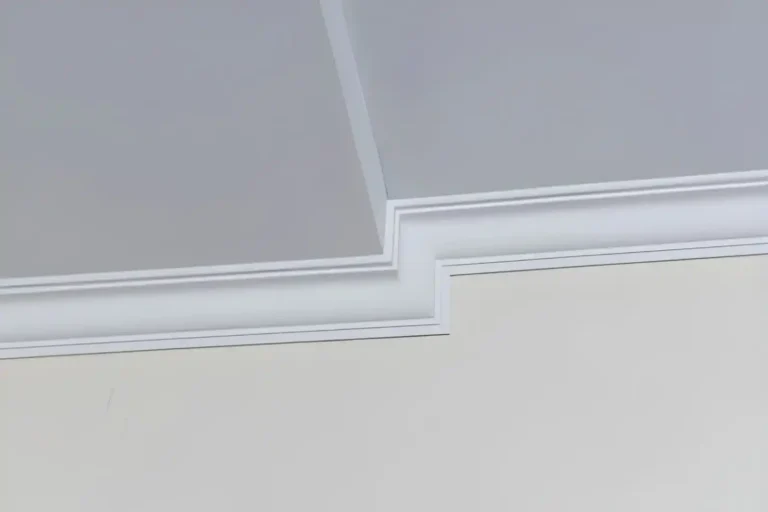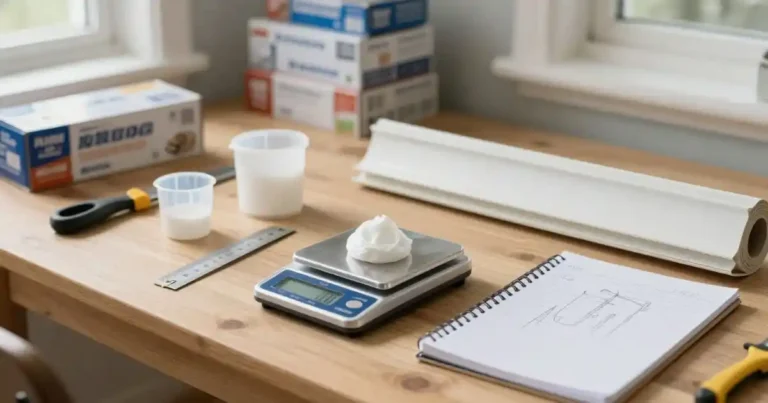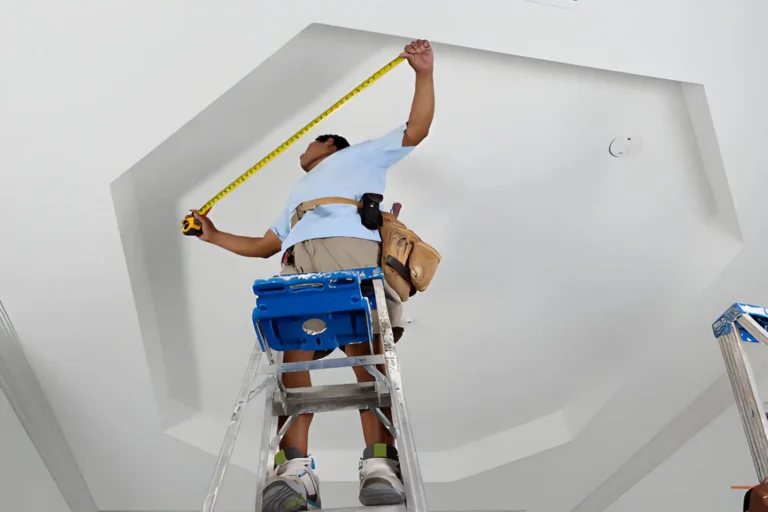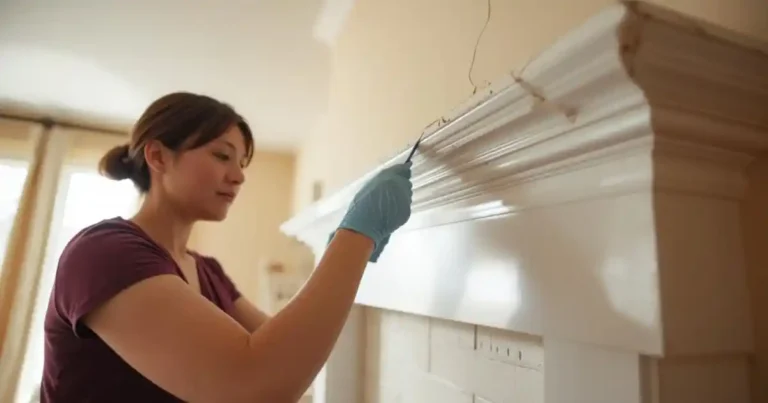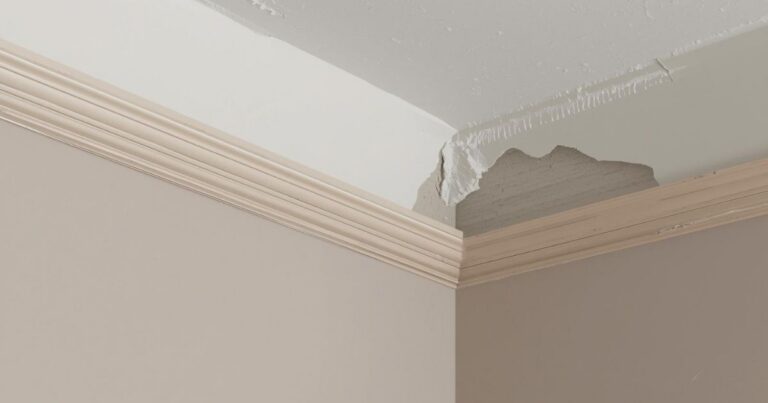

How to install coving? Installing coving is one of the most effective ways to give a room a refined, professional finish—but the material you choose makes a huge difference to how easy (or difficult) the job will be.
Many guides online still focus on traditional plaster coving, which can make installation seem intimidating. The reality is that modern lightweight coving has transformed the process.
In this article, we’ll explain how coving installation has changed, compare plaster vs modern lightweight alternatives, and show how to put up ceiling coving using today’s simpler, more reliable methods—ideal for both DIYers and professionals.
Installing Coving Today – What’s Changed?
If you’ve searched online for coving advice, you’ve probably noticed that much of it assumes:
- Heavy plaster mouldings
- Specialist tools
- Professional-only installation
That guidance reflects how coving used to be installed. Modern coving materials—such as polyurethane and polystyrene—have changed the process entirely, making installation faster, cleaner, and far more forgiving.
Understanding this difference is key before you start.
Traditional Plaster Coving Installation Explained
What Installing Plaster Coving Involves
Traditional plaster coving typically requires:
- Heavy, fragile sections
- Two people to lift and hold each length
- Mechanical fixings (nails or screws) combined with adhesive
- Longer setting and finishing times
Cuts must be precise, and mistakes are costly—both in time and materials.
Common Challenges with Plaster Coving
Plaster coving installation is often problematic because it:
- Cracks easily during cutting or handling
- Is difficult to fix on uneven walls and ceilings
- Requires advanced skills to achieve clean joints
- Performs poorly in moisture-prone areas
For many homeowners, these challenges make plaster impractical for modern renovation projects.
Modern Lightweight Coving – A Different Approach
What Is Modern Lightweight Coving Made From?
Modern coving is typically manufactured from:
- Polyurethane – high-density, crisp detail, extremely durable
- Polystyrene – lightweight, easy to cut, ideal for DIY projects
These materials are factory-precision moulded, meaning every length is consistent—something plaster cannot guarantee.
Why Professionals & Homeowners Prefer Lightweight Coving
Compared to plaster, lightweight coving offers:
- Easier handling (often one-person installation)
- Clean, accurate cutting
- Faster installation
- Better results on uneven walls
- Strong adhesive-only fixing
This is why suppliers like Gaudi Coving focus on modern mouldings designed for today’s interiors and installation methods.
How to Put Up Ceiling Coving (Modern Method)
Preparing Walls & Ceilings
Before installation:
- Ensure surfaces are clean and dry
- Remove loose paint or dust
- Minor imperfections are fine—lightweight coving accommodates them
Unlike plaster, you don’t need perfectly flat surfaces.
Marking Out & Dry-Fitting
Dry-fitting is essential:
- Hold coving in position to check alignment
- Test internal and external corners
- Make any small adjustments before adhesive is applied
This step prevents rushed fixes later.
Fixing Coving with Adhesive
Modern coving is usually fixed using adhesive only:
- Apply adhesive along both wall and ceiling edges
- Press firmly into position
- Adjust gently before the adhesive sets
No nails, screws, or specialist fixings are typically required.
How to Fit Polystyrene & Polyurethane Coving
Cutting Lightweight Coving Accurately
Lightweight coving can be cut using:
- A fine-tooth saw
- A mitre box or mitre tool
Cuts are cleaner and more predictable than plaster, reducing waste and frustration.
Installing Without Cracking or Breakage
Because modern coving is flexible and light:
- There’s far less risk of snapping
- Adjustments can be made without damage
- One person can manage most installations
This alone makes it far more suitable for DIY projects.
Setting, Filling & Finishing
Once installed:
- Fill joints with decorator’s filler
- Lightly sand when dry
- Paint as desired
Modern coving is paint-ready and accepts standard interior paints well.
How to Fix Coving Securely (Without Plaster Hassle)
Adhesive-Only Fixing Explained
High-quality adhesive provides:
- Strong, long-lasting bonds
- Even pressure along wall and ceiling
- Flexibility to compensate for uneven surfaces
Mechanical fixings are rarely needed with lightweight coving.
Fixing Coving on Uneven Surfaces
Uneven walls are common in Irish homes. Lightweight coving allows you to:
- Use slightly more adhesive to fill gaps
- Gently flex the coving into position
- Finish neatly with filler
Rigid plaster simply doesn’t offer this level of adaptability.
Plaster Coving vs Lightweight Coving: Installation Comparison
| Feature | Plaster Coving | Lightweight Coving |
|---|---|---|
| Weight | Heavy | Lightweight |
| DIY-Friendly | Rarely | Yes |
| Fixing Method | Mechanical + adhesive | Adhesive only |
| Cutting | Difficult, fragile | Clean and easy |
| Uneven Walls | Problematic | Forgiving |
| Installation Time | Long | Significantly shorter |
The difference in installation experience is substantial.
Is Modern Coving DIY-Friendly?
For many homeowners, the answer is yes. Modern lightweight coving is specifically designed to:
- Reduce installation complexity
- Minimise mistakes
- Deliver professional-looking results
Larger or highly decorative projects may still benefit from professional installers, but most standard rooms are well within DIY reach.
Frequently Asked Questions
Final Thoughts: Choosing the Right Coving for Easier Installation
Coving installation doesn’t have to be difficult. The challenges many people associate with fitting coving come from outdated plaster-based methods, not from coving itself.
By choosing modern lightweight alternatives, you get:
- Faster installation
- Cleaner results
- Less stress
- A finish that suits contemporary interiors
If ease of installation, durability, and a professional finish matter, modern coving is the clear choice.
The GAUDI 1.50.208 cornice is a good example of the versatile ceiling cornice this installation method applies to.