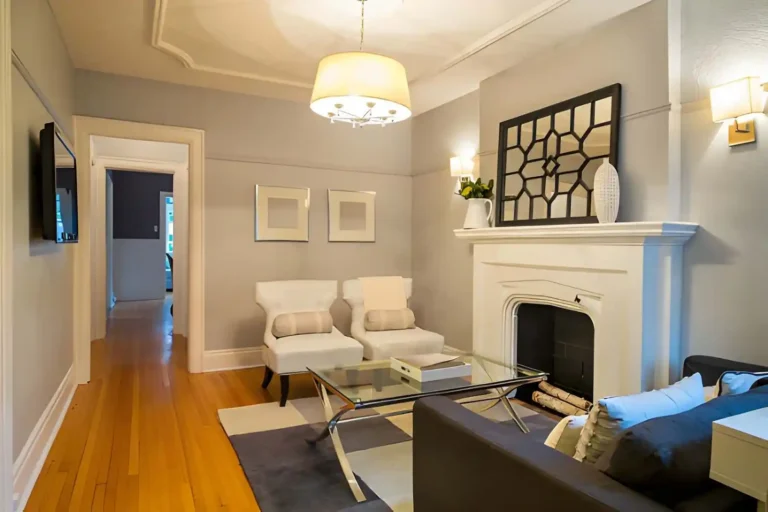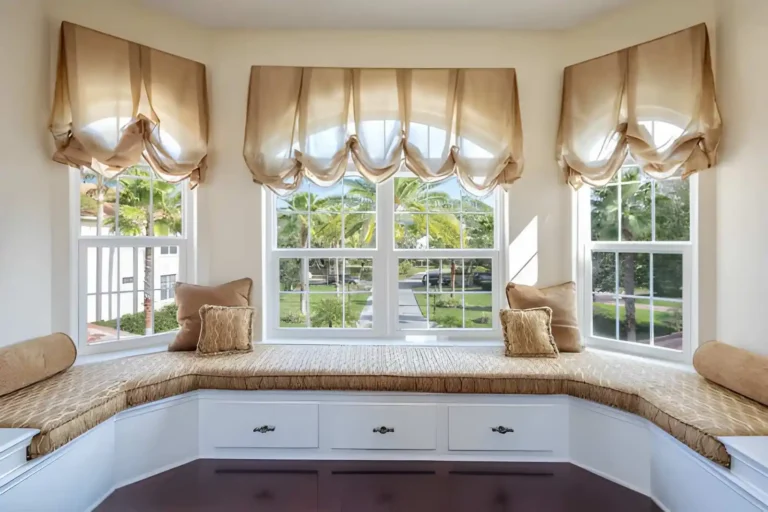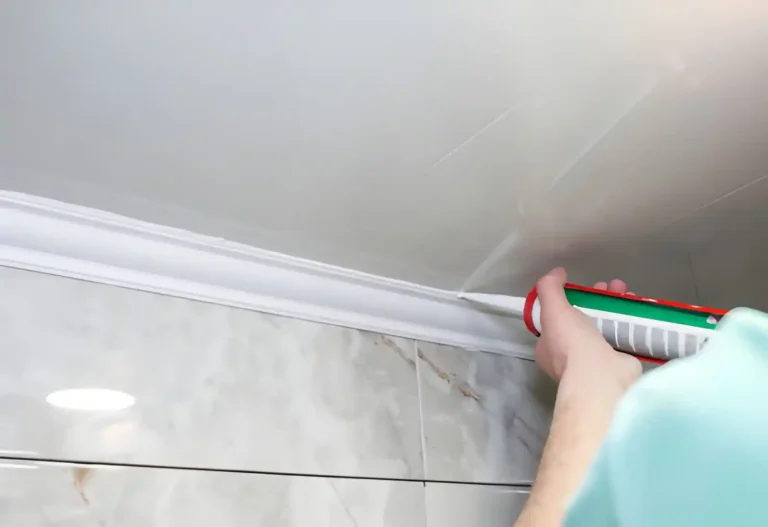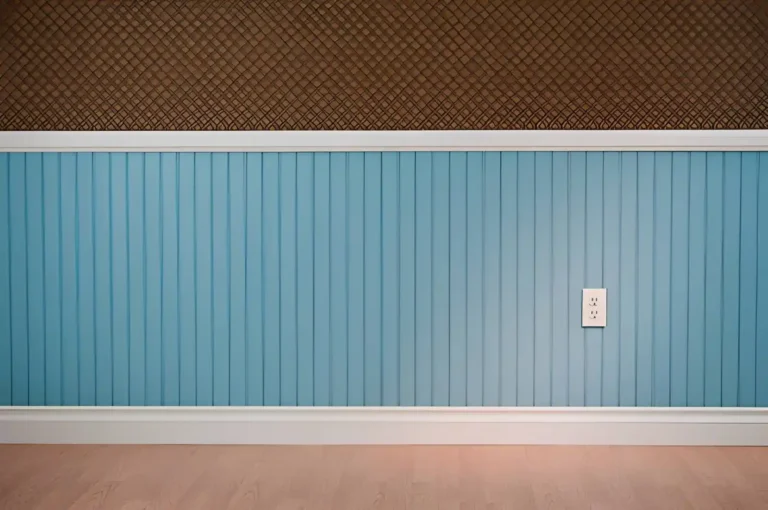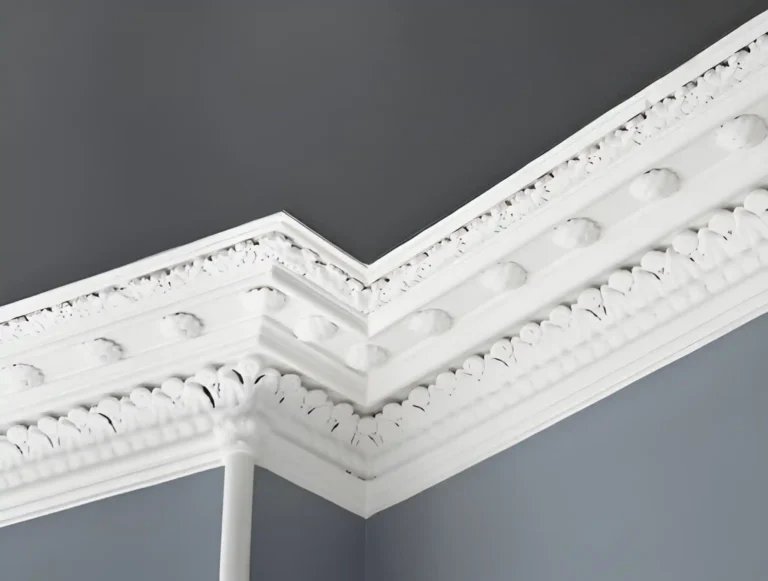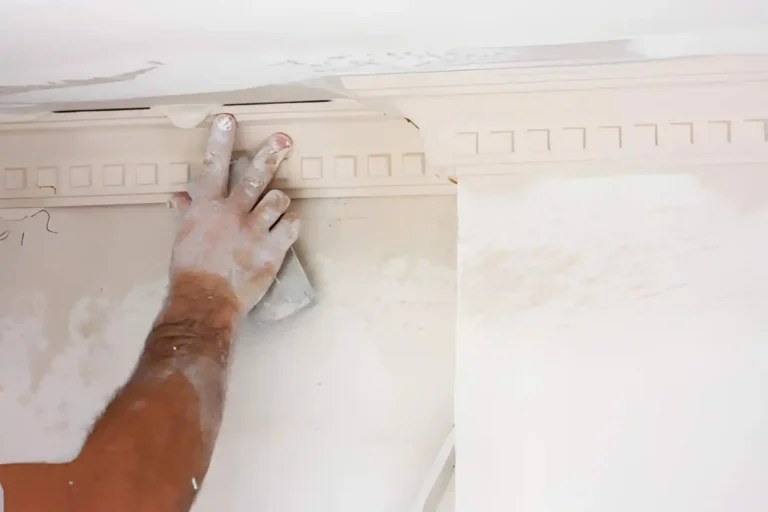

If you’ve been saving interiors on Pinterest, watching renovation shows, or walking through recently renovated homes in Dublin, Cork or Galway, you’ve likely noticed one consistent detail: wall panelling.
It’s no longer reserved for period mansions or boutique hotels. Wall panelling has become one of the defining features of modern Irish renovations — particularly in 1930s semis, Victorian terraces, and high-end new builds that want more than a “developer-basic” finish.
Why?
Because many modern renovations, especially open-plan extensions, can feel visually flat. Smooth plastered walls and standard skirting often lack depth. Without architectural detailing, even expensive spaces can feel incomplete.
Wall panelling changes that.
It adds structure. It introduces shadow lines. It frames a room properly.
In short, it delivers architectural finish without plaster cracking.
What Is Wall Panelling?
The Simple Definition
Wall panelling refers to decorative mouldings or structured panels applied directly to walls to create depth, pattern and architectural character.
Unlike wallpaper or paint alone, panelling introduces physical dimension. The mouldings create subtle shadow lines that shift with natural light throughout the day, adding movement and richness to a room.
Wall panelling can be:
- Full wall height
- Half-height (often in hallways or dining rooms)
- Framed box mouldings
- Contemporary grid patterns
- Traditional raised panels
At its core, wall panelling transforms flat plaster into something far more intentional and refined.
Where It Originated
Wall panelling has deep roots in classical European interiors.
It was widely used in Georgian and Victorian homes, where detailed mouldings, cornices and ceiling roses were standard. In many period properties across Ireland, original panelling was removed during mid-century renovations in favour of simpler finishes.
Today, we’re seeing a return to those architectural traditions — but adapted for modern living.
Rather than overly ornate details, modern Irish homeowners are embracing:
- Clean, proportioned mouldings
- Balanced symmetry
- Subtle shadow lines
- “Modern classic” styling
It’s European influence, interpreted for contemporary Irish homes.
What It Actually Does for a Room
Wall panelling isn’t just decorative. It changes how a room feels.
1. It Adds Proportion and Structure
Well-designed panelling introduces rhythm to a wall. Instead of one large blank surface, the wall becomes intentionally divided into balanced sections.
2. It Elevates Ceiling Height Visually
Vertical panels draw the eye upward, making ceilings appear higher — particularly effective in 8ft or standard-height homes.
3. It Frames Furniture and Fireplaces
Panelling creates natural visual anchors for sofas, fireplaces, mirrors and artwork.
4. It Integrates Extensions Seamlessly
Many Irish renovations involve kitchen extensions. Panelling can tie the original house to the new space, preventing the extension from feeling disconnected or overly modern.
It’s one of the most effective ways to make a renovation feel finished rather than simply “updated.”
Types of Wall Panelling (And What Most Irish Homes Get Wrong)
Choosing the right material is critical — especially in Ireland’s climate.
MDF Wall Panelling
MDF (medium-density fibreboard) is the most common DIY choice.
Why it’s popular:
- Affordable upfront
- Easy to source
- Familiar to carpenters
However, there are risks:
- Can swell in damp conditions
- Absorbs moisture at cut edges
- Requires thorough priming
- Joins can become visible over time
In Irish homes — particularly those with cold external walls — moisture exposure is a genuine concern.
Traditional Plaster Panelling
Plaster offers an authentic heritage look and has long been used in period properties.
However:
- It is heavy and fragile
- Can crack over time
- Difficult to transport without damage
- Requires specialist installation
Plaster cracking is a common frustration for homeowners. Repairs often involve re-skimming and repainting, which adds long-term maintenance costs.
High-Density Polyurethane Panelling
High-density polyurethane has become increasingly popular in premium renovations.
Its advantages include:
- Lightweight construction
- Moisture resistance
- Sharp, consistent detailing
- Paint-ready surface
- Minimal risk of cracking
Unlike low-grade polystyrene products, high-density polyurethane retains crisp edges and clean profiles. It provides the refined finish designers expect, without the fragility of plaster.
Why Material Choice Matters in Ireland
Ireland’s climate presents specific challenges:
- Humidity fluctuations
- Condensation on external walls
- Seasonal expansion and contraction
- Older homes with limited insulation
The wrong material can lead to:
- Swelling
- Paint cracking
- Joint separation
- Visible repair patches
Selecting moisture-resistant, stable materials reduces long-term maintenance — and builder call-backs.
This is why material education is so important when researching what wall panelling actually involves.
Why Wall Panelling Is Trending in Ireland
The Post-Remote Work Renovation Boom
Since remote work became more common, homeowners have invested more heavily in their spaces.
We’ve seen:
- Kitchen extensions
- Home offices
- Full ground-floor renovations
With higher budgets, expectations around finish have also increased.
Panelling adds that final layer of refinement.
The “Modern Classic” Interior Trend
Irish homeowners are increasingly drawn to:
- Warm neutrals
- Soft greys and creams
- Brass hardware
- European-inspired detailing
Social media platforms like Pinterest and Instagram have accelerated this trend. Panelling delivers the “Parisian apartment” aesthetic — but works just as well in a Kildare semi or a Galway terrace.
Designers Are Specifying It More
Interior designers appreciate wall panelling because:
- It creates clean shadow lines
- It integrates well with LED lighting
- It adds depth without structural change
- It elevates otherwise simple spaces
Instead of knocking down walls, panelling can transform a room through detail alone.
Is Wall Panelling Suitable for Your Type of Home?
1930s Irish Semis
Panelling works exceptionally well in hallways and staircases.
It adds character without requiring a full period restoration and complements original features like fireplaces or picture rails.
Victorian & Period Homes
In older properties, panelling can restore lost architectural detail.
It pairs beautifully with:
- Ceiling roses
- Decorative coving
- Traditional skirting
The key is proportion — ensuring the mouldings match the ceiling height and room scale.
High-End New Builds
New builds often suffer from a lack of architectural detail.
Wall panelling:
- Prevents the “developer-basic” look
- Adds warmth
- Creates dimension in large open-plan areas
Ceiling Height Guidance
As a general rule:
- 8ft ceilings: simpler, slightly smaller panel frames
- 9ft ceilings: medium-scale profiles
- 10ft+ ceilings: taller vertical proportions
(Proportion planning is essential — this is where a panel sizing guide becomes invaluable.)
Does Wall Panelling Work in the Irish Climate?
This is one of the most important questions homeowners should ask.
Moisture Resistance
Cold external walls can cause condensation. Materials that absorb moisture are more likely to swell or warp.
Expansion and Contraction
Seasonal temperature shifts can cause cracking in brittle materials.
Long-Term Paint Performance
Poor material choice can lead to visible hairline cracks around joints.
When comparing materials:
- MDF: susceptible to moisture at cut edges
- Plaster: prone to cracking
- High-density polyurethane: stable, moisture-resistant, paint-ready
For Irish homes, durability matters as much as appearance.
Common Wall Panelling Mistakes Irish Homeowners Make
- Choosing panels too small for ceiling height
- Ignoring proportion and symmetry
- Using low-quality pre-cut kits
- Failing to plan around sockets and switches
- Skipping proper priming
- Choosing materials that crack over time
Remember:
Details make the house feel complete.
The difference between average and exceptional often comes down to proportion and material quality.
How to Choose the Right Wall Panelling for Your Renovation
Consider Your Ceiling Height
Ceiling height determines scale. Oversized mouldings in a low ceiling can feel heavy. Undersized mouldings in a tall space can look underwhelming.
Balance is everything.
Match Existing Architectural Features
Panelling should complement:
- Skirting boards
- Architraves
- Ceiling coving
Mixing styles without consideration can disrupt visual harmony.
Think Long-Term Durability
Ask:
- Is it moisture-resistant?
- Is it paint-ready?
- Will it crack?
- Is installation straightforward?
Short-term savings can result in long-term frustration.
Is Wall Panelling Expensive?
- Material choice
- Room size
- Installation method
- Complexity of design
While MDF may appear cheaper upfront, long-term repainting or repairs can increase costs.
Premium systems may cost more initially, but they offer:
- One-time installation
- No cracking
- Minimal maintenance
- Reliable finish
When viewed over a 10–15 year period, quality often proves more economical.
FAQs
Final Thoughts — Is Wall Panelling Right for Your Home?
If you’re renovating and feel something is missing, it may not be the kitchen or the flooring.
It may be the detail.
Wall panelling offers:
- Architectural finish
- European influence
- Proportion and structure
- A premium feel built for Irish homes
And when installed correctly, it delivers a professional finish — even for experienced DIY renovators.