
Are 8 inch skirting boards too big? In Irish home renovations, few details are as underestimated — yet as transformative — as skirting board height.
Homeowners in Dublin, Cork, Galway and the commuter belt are investing heavily in extensions, kitchen remodels and full refurbishments. Yet after all that spend, many homes still feel… flat. Something is missing.
Often, it’s proportion.
One of the most common questions design-conscious renovators now ask is:
Are 8-inch skirting boards too big — or are they exactly what gives a home that finished, architectural look?
This guide is written for:
- Irish homeowners renovating period properties or high-end new builds
- Builders and carpenters wanting a sharper finish
- Interior designers specifying mouldings for modern-classic interiors
Let’s break it down properly.
What Is an 8 Inch Skirting Board?
An 8-inch skirting board measures approximately 200mm in height.
To put that into perspective:
- 4–5 inches (100–125mm) → Typical developer-standard skirting in many Irish estates
- 6–7 inches (150–175mm) → Transitional size, common in mid-range renovations
- 8 inches (200mm) → Architectural, balanced, and increasingly popular
- 9+ inches (225mm+) → Period-correct proportions for high ceilings
You’ll most often see 8-inch skirting used in:
- Victorian terraces
- 1930s semis
- High-end new builds aiming for a “modern classic” look
It’s not oversized. It’s proportioned.
When 8 Inch Skirting Boards Look Perfect
Ceiling Height & Proportion Guide
Proportion matters more than absolute size.
Here’s a practical guide for Irish homes:
Under 2.4m ceilings
An 8-inch skirting board can feel slightly dominant — particularly in small bedrooms or tight hallways. In these spaces, 6–7 inches may feel more balanced.
2.4m–2.7m ceilings
This is the sweet spot.
An 8-inch board feels architectural without overwhelming the room.
Most renovated Irish semis and extensions fall into this range — making 200mm skirting an excellent choice.
2.7m+ ceilings
At this height, 8 inches often becomes necessary. Smaller profiles can look underscaled and “mean.”
Quick Ratio Rule
A good design rule:
Skirting height should be approximately 1/12 to 1/10 of ceiling height.
So:
- 2.4m ceiling → 200mm works
- 2.7m ceiling → 200–225mm ideal
- 3m ceiling → 225mm+
This is how designers achieve visual balance.
Period Homes & Modern Classic Interiors
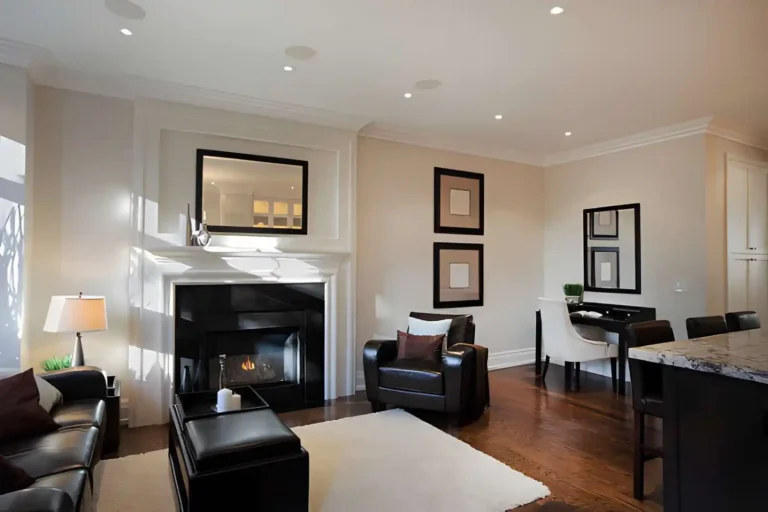
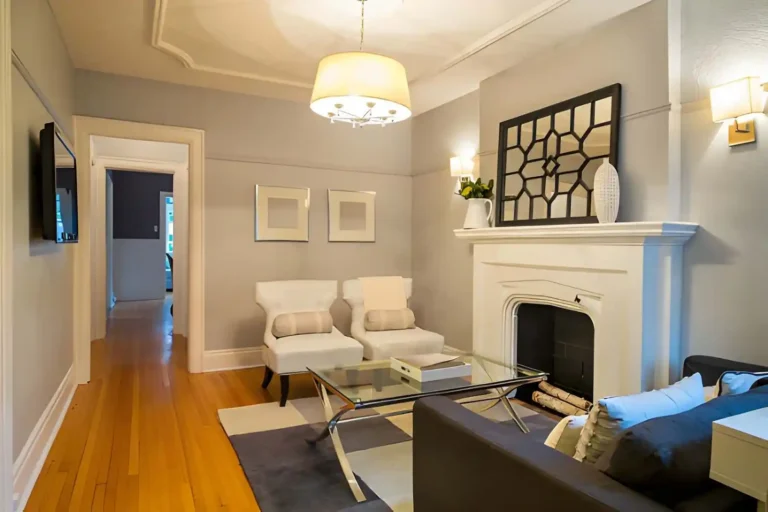
Taller skirting boards elevate the entire room — especially when paired with:
- Wall panelling
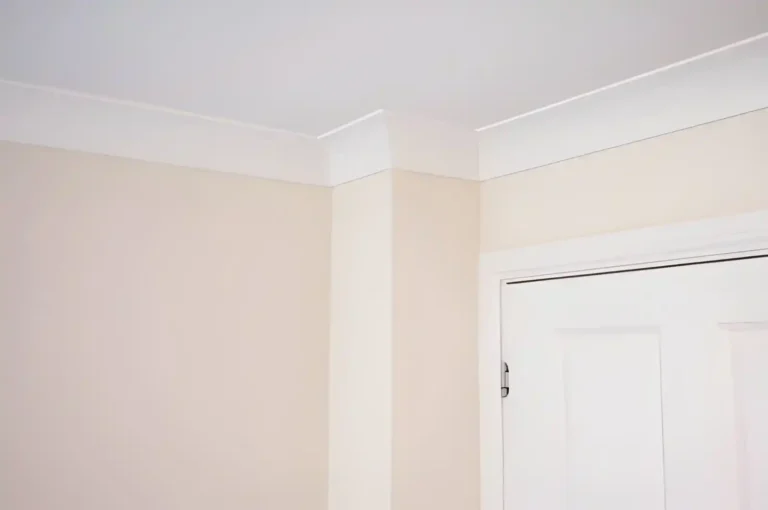
- Ceiling coving
- Ceiling roses
In Irish renovations, homeowners often want that subtle Parisian or London townhouse feel — but on a realistic budget.
Standard 4-inch skirting simply can’t create that depth or shadow line.
An 8-inch profile:
- Grounds wall panelling beautifully
- Balances decorative coving
- Prevents ceilings from looking disconnected
This is what creates that “European architectural finish” so many Irish renovators are now seeking.
Open Plan Extensions
Open-plan kitchen-dining spaces have large, uninterrupted wall spans.
Low skirting in these rooms often looks underwhelming.
An 8-inch board:
- Anchors long walls
- Adds definition at floor level
- Prevents the “developer-basic” look
- Creates shadow lines that give depth
In larger extensions, proportion becomes even more critical.
When 8 Inch Skirting Boards Can Look Too Big
Low Ceilings & Narrow Hallways
In smaller rooms with:
- 2.3m ceilings
- Tight corridors
- Low natural light
An 8-inch profile can feel visually heavy.
However — colour makes a difference.
Painting skirting the same colour as walls reduces visual contrast and softens its presence. High contrast (white skirting with dark walls) increases visual weight.
It’s not just size — it’s finish.
Ultra-Modern Minimal Interiors
If your home leans toward:
- Shadow gaps
- Flush skirting systems
- Ultra-minimal contemporary style
Then a tall decorative profile may not suit.
In these spaces, simplicity wins.
But for most Irish homes — especially period properties and extensions — proportioned skirting enhances rather than overwhelms.
Material Matters More Than Size
Many homeowners obsess over height — but ignore material.
In Ireland’s damp climate, this matters.
MDF vs Plaster vs Polystyrene vs High-Density Polyurethane
MDF
- Affordable
- Heavy
- Vulnerable to swelling if exposed to moisture
- Detail can look soft
Plaster
- Traditional
- Prone to cracking
- Fragile during transport
- Heavy and labour-intensive
Cheap Polystyrene
- Lightweight
- Often lacks sharp detail
- Can dent easily
High-Density Polyurethane
- Moisture resistant
- Lightweight
- Sharp, crisp detail
- Doesn’t crack like plaster
- Paint-ready
For trade professionals, this means:
- Faster installs
- Fewer call-backs
- Consistent finish
For homeowners, it means:
“Sharp detail, zero cracking — built for Irish homes.”
Material longevity often matters more than whether the board is 6 or 8 inches.
What Designers & Builders Recommend
Trade professionals increasingly prefer taller profiles in high-value renovations because:
- They look premium
- They photograph well
- Clients notice the difference
Builders also appreciate materials that:
- Don’t crack
- Cut cleanly
- Install quickly
Interior designers often use 8-inch skirting to balance ceiling coving. If you install substantial coving but keep tiny skirting, the room feels bottom-light and top-heavy.
Good interiors rely on balance.
Cost Considerations in Ireland
Material Cost
Yes, 8-inch skirting costs more than 5-inch.
But the difference is typically incremental — not dramatic — especially when compared to total renovation budgets.
Installation
Labour difference is minimal.
In fact, larger boards can:
- Reduce need for additional wall repairs
- Cover uneven plaster lines
- Provide cleaner finishing at floor level
Long-Term Value
Cheaper MDF that swells or chips can cost more in repainting and replacement.
Investing once in durable material often proves better than replacing damaged trims in 5–7 years.
Should You Choose 8 Inch Skirting Boards?
Here’s your quick checklist:
- What’s your ceiling height?
- Period home or modern minimal?
- Are you installing coving or wall panelling?
- Do you want “developer-basic” or architectural finish?
- Are you staying long term?
If your ceilings are 2.4m or higher and you value detail — 8 inches is rarely “too big.”
It’s often exactly right.
FAQs
Conclusion: Bigger Isn’t the Problem — Proportion Is
An 8-inch skirting board isn’t “too big.”
In many Irish homes, it’s the detail that separates a basic renovation from a thoughtfully designed interior.
When matched to ceiling height and paired with quality material, it delivers:
- Cleaner shadow lines
- Balanced proportions
- A more architectural finish
If you’re investing in your home, skirting isn’t a place to compromise.
Architectural finish without plaster cracking. European detail, made for Irish homes.