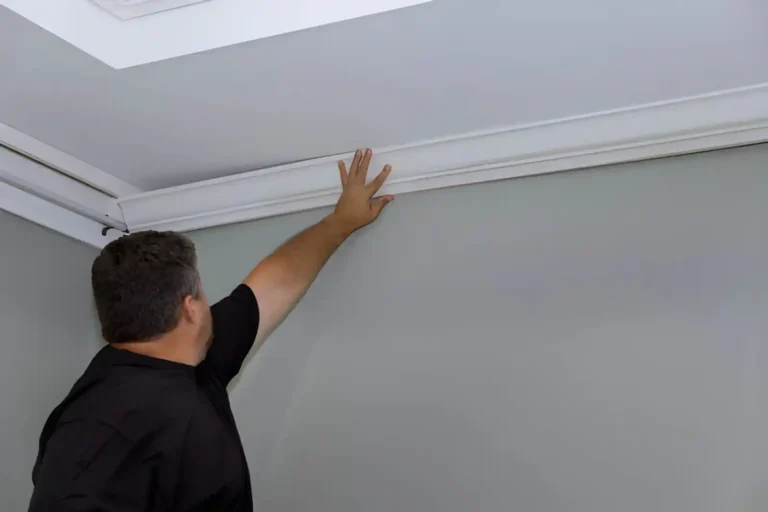

What skirting boards to choose for a stylish finish? When planning a renovation, most homeowners obsess over kitchens, flooring, tiles, and paint colours.
But the real difference between an average renovation and a refined, architectural interior often comes down to one overlooked detail: skirting boards.
If you’ve been wondering what skirting boards to choose, you’re not alone. Profile, height, colour, and material all matter more than most people realise. The wrong choice can make a €150,000 renovation feel developer-basic. The right choice quietly elevates the entire space.
This guide is tailored specifically to design-conscious Irish renovators — whether you’re upgrading a 1930s semi in Dublin, restoring a Victorian terrace in Cork, or finishing a high-end new build in Galway. By the end, you’ll know exactly how to choose skirting boards that create a premium, long-lasting architectural finish.
Do You Need Skirting Boards?
One of the most common questions homeowners ask is: do I need skirting boards?
It may seem obvious, but in modern design circles, some people question whether they’re necessary at all.
What’s the Point of Skirting Boards?
If you’ve ever asked, what’s the point of skirting boards? or why do you need skirting boards?, here’s the clear answer: they serve both practical and aesthetic purposes.
1. Protecting Your Walls
Skirting boards protect plaster from scuffs, hoovers, mops, pets, and furniture. Without them, your painted walls take daily impact — and that pristine finish won’t last long.
2. Concealing Expansion Gaps
Wood and laminate flooring need expansion gaps around the perimeter. Skirting boards hide these gaps cleanly, avoiding awkward beading trims.
3. Creating a Visual Base
Architecturally, skirting boards “ground” a room. They create a base line that frames the walls and connects them to the floor. Without that transition, rooms can feel visually incomplete.
4. Moisture Protection (Critical in Ireland)
Irish homes deal with humidity and temperature swings. Skirting boards add a protective barrier between floors and plaster, helping reduce moisture-related wear at wall level.
For design-conscious renovators, the most important truth is this:
Details make the house feel complete.
Skirting boards are one of those details.
Can You Skip Skirting in Modern Homes?
In ultra-minimalist interiors, some architects opt for a shadow gap detail instead of traditional trim. This creates a recessed line between wall and floor for a flush, contemporary look.
It can work — but only when:
- Walls are perfectly finished
- Flooring installation is flawless
- The project is architect-led
- Budget allows for precision detailing
In standard renovations, skipping skirting boards often makes a room look unfinished rather than modern. If you’re not doing a fully flush plasterboard system, traditional skirting will almost always deliver a cleaner result.
What Skirting Boards to Choose for a Stylish Finish?
Another common query is: what type of skirting board on modern houses?
The answer depends on the architectural style you’re aiming for.
Minimalist Profiles
For contemporary interiors, clean lines are key. Popular options include:
- Square edge profiles
- Chamfered edges
- Shadow-line styles
These suit:
- New builds
- LED-integrated spaces
- Kitchen extensions
- Scandinavian-inspired interiors
They create a subtle transition without decorative fuss.
Modern Classic (The Irish Favourite)
For many Irish homes — especially renovated semis and extensions — a “modern classic” profile works best.
Think:
- Simple ogee profiles
- Soft stepped designs
- Gentle curves with clean definition
This style feels timeless without looking overly ornate. It suits:
- 1930s homes
- Period-inspired new builds
- High-spec renovations
It also pairs beautifully with matching architraves and ceiling coving.
Period & Victorian Homes
If you’re restoring a period property, proportion matters more than minimalism.
Traditional homes typically benefit from:
- Taller boards (120mm–220mm+)
- Decorative moulded profiles
- Stronger shadow lines
In Victorian terraces or Georgian-inspired interiors, skirting boards are part of the architectural language. Going too small will instantly undermine authenticity.
Ceiling Height vs Skirting Height Guide
One of the most common mistakes renovators make is choosing skirting boards that are too small.
Use this as a guideline:
- 2.4m ceiling height → 120–145mm skirting
- 2.7m+ ceilings → 170–220mm skirting
- Period properties → Always lean taller
Undersized skirting boards create a builder-grade feel. Correct proportion adds quiet luxury.
What Colour Skirting Boards With Grey Walls?
Grey walls remain hugely popular in Irish renovations. But choosing the wrong trim colour can make a room feel flat.
So, what colour skirting boards with grey walls?
Crisp White (Timeless Contrast)
White skirting against grey walls creates a clean shadow line and architectural definition. It works especially well in modern interiors.
Choose a satin or semi-gloss finish for subtle contrast against matte walls.
Same Colour as Walls (Contemporary Look)
Painting skirting the same colour as the walls is increasingly popular in high-end Dublin renovations.
Benefits:
- Makes ceilings appear taller
- Creates a seamless look
- Works beautifully in muted greys and greige tones
This approach feels refined and intentional — not developer standard.
Soft Contrast Tones
Warm greys pair better with off-whites than stark brilliant white.
Avoid:
- Blue-toned whites with warm grey walls
- Harsh contrast in low-light rooms
Grey walls can look flat without strong trim definition, so ensure there’s enough tonal difference to highlight architectural detail.
What Colour Skirting Boards With White Walls?
White walls are timeless — but they still require thoughtful trim decisions.
So, what colour skirting boards with white walls?
Classic White on White
This is the most traditional option.
The key difference comes from sheen:
- Matte walls
- Satin or semi-gloss skirting
This subtle contrast creates depth without introducing another colour.
Off-White & Warm Whites
In 1930s Irish homes especially, warm whites feel more authentic.
Soft ivory or cream-toned skirting can:
- Reduce a clinical feel
- Add warmth
- Complement timber floors
Bold Contrast (Design-Led Interiors)
For more dramatic spaces, bold trim choices are growing in popularity.
Examples:
- Black skirting boards
- Deep navy
- Charcoal grey
This works particularly well with:
- Panelled walls
- High ceilings
- Strong interior styling
It’s not for every home — but when done correctly, it looks intentional and high-end.
Choosing the Right Material (The Most Overlooked Decision)
When asking what skirting boards to choose, material is often ignored — yet it determines durability, finish quality, and long-term performance.
Let’s break it down.
MDF Skirting Boards
MDF is widely used because it’s affordable.
However:
- It can swell with moisture
- Edges are softer
- Detail definition is less sharp
- Not ideal in humid Irish conditions
For budget renovations, it’s common. For premium interiors, it often falls short.
Plaster Skirting
Traditional plaster offers strong heritage authenticity.
But:
- It’s fragile
- Prone to cracking
- Heavy and difficult to transport
- Risky during renovation works
In busy modern homes, it’s not always practical.
Polystyrene Trim
Lightweight and inexpensive, but:
- Lacks sharp detailing
- Dents easily
- Feels low-end on close inspection
It rarely delivers the refined finish design-conscious homeowners want.
High-Density Polyurethane (Premium Option)
For those seeking durability and architectural sharpness, high-density polyurethane stands out.
Benefits:
- Crisp, defined detail
- Moisture resistant (ideal for Irish homes)
- Lightweight and easy to install
- Crack-resistant
- Paint-ready surface
For homeowners who want an architectural finish without plaster cracking, this material offers the ideal balance between aesthetics and performance.
Skirting Board Height & Proportion Guide
Proportion is everything.
Small Rooms vs Large Rooms
Small rooms can handle taller skirting if ceilings allow — it adds elegance.
Large open-plan spaces benefit from stronger profiles to avoid visual thinness.
Low Ceilings vs High Ceilings
Low ceilings (2.4m):
- Avoid ultra-tall decorative profiles
- Keep design clean but substantial
High ceilings (2.7m+):
- Go taller
- Introduce deeper profile detailing
Balancing with Architraves & Coving
Your skirting should never exist in isolation.
Ensure:
- Architraves match stylistically
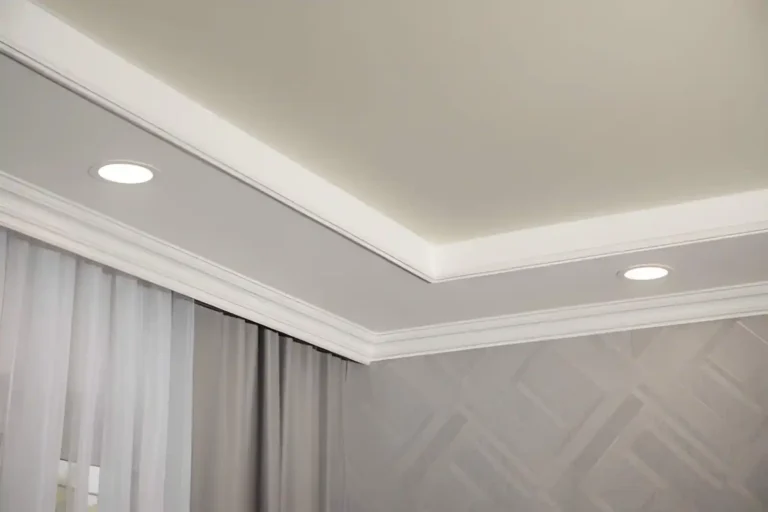
- Coving proportions complement the base
- Profiles feel cohesive
Mismatch is one of the fastest ways to create an inconsistent look.
Avoiding the “Builder-Grade” Look
The most common mistake?
Choosing 94mm–100mm basic square MDF simply because that’s what the builder supplies.
It saves money — but visually cheapens the finish.
If you’ve invested in flooring, lighting, and joinery, undersized skirting undermines it all.
Common Skirting Board Mistakes (And How to Avoid Them)
1. Going Too Small
Skirting that’s too short looks apologetic.
2. Ultra-Thin Profiles in Period Homes
It destroys authenticity.
3. Ignoring Moisture Resistance
Especially risky in Irish climates.
4. Mismatched Architraves
Profiles must feel related.
5. Letting Builders Default to Cheapest Stock
Always specify your preferred profile and material.
FAQs
Conclusion: The Detail That Finishes the Room
Skirting boards are not just trim. They are the architectural base that grounds your interior.
If you’re deciding what skirting boards to choose, focus on:
- Correct proportion
- Cohesive profile
- Complementary colour
- Durable, moisture-resistant material
In a design-conscious renovation, details matter. The right skirting boards elevate the entire space — creating a refined, complete, and lasting finish.
Explore premium, paint-ready, moisture-resistant options designed specifically for Irish homes — and choose a detail that does your renovation justice.